How to Transplant Table mountain pine?
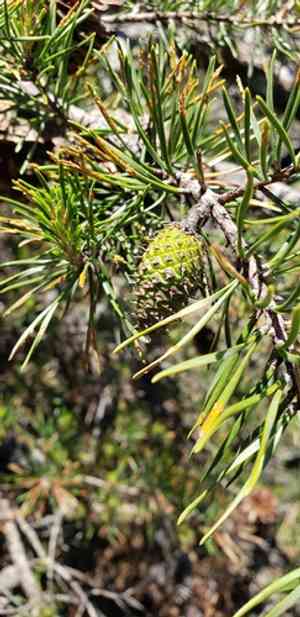
For table mountain pine, the period spanning from the initial thaw of frost until the onset of spring is optimal, allowing quiescent roots sufficient time to adjust. Select a bright, adequately draining location and endeavor to reduce root disruption for a smooth establishment.
Essential Preparations Before Relocating Table Mountain Pine?
When is the Best Period to Move Table Mountain Pine?
The prime season for moving table mountain pine to a new spot is in the cool embrace of mid to late winter. This timing aligns with the plant's dormant phase, facilitating an easier adjustment and fostering strong spring development. Moving table mountain pine during this colder period lessens transplant shock, allowing it to establish roots comfortably without the strain of high temperatures or active growth demands. This strategic timing results in a flourishing plant ready to awaken with vitality as spring's warmth unfolds.
What is the Recommended Spacing Between Table Mountain Pine Plants?
When you're set to transplant your table mountain pine, remember they require their own area to flourish. Aim to position them 15-20 feet apart (4.5-6 meters). This helps your table mountain pines to grow without competing for resources – they'll reward you with abundant growth!
What is the Optimal Soil Blend for Table Mountain Pine Transplantation?
Before your table mountain pines settle into their new home, let's get the soil ready! They prefer well-drained, slightly acidic to neutral soil. Incorporate a foundational fertilizer designed for evergreens to give them a strong start. A gentle mix in the top 6-10 inches (15-25 cm) works wonders.
Where Should You Replant Your Table Mountain Pine?
Sunlight is a cherished companion for table mountain pine. Locate a spot where they will receive full sun for most of the day. This will ensure they have the energy to develop robustly and healthily. Observe the sunlight patterns in your garden to select the ideal location!
What Tools Are Needed Before Transplanting Table Mountain Pine?
Shovel or Spade
To excavate the new planting site and extract the table mountain pine from its original spot.
Gardening Gloves
To safeguard your hands while handling soil and the plant.
Watering Can or Hose
To hydrate the table mountain pine prior to removal and post-planting.
Pruning Shears
For trimming roots or branches as needed.
Wheelbarrow or Tarp
To transport the table mountain pine and soil without harming the plant or root ball.
Root Stimulator
To encourage root growth in the new location, if desired.
Mulch
To help maintain soil moisture and regulate temperature after transplantation.
How to Extract Table Mountain Pine from the Ground?
How to Extract Table Mountain Pine from the Ground?
From Ground: Be sure to water the table mountain pine before attempting to remove it from the ground. Dig around the plant's drip line to prevent damage to the root system, carefully lifting from beneath with a shovel.From Pot: Turn the container sideways, tap the base, and gently pull the table mountain pine out by the base of the main stem or branches, not the stem itself.From Seedling Tray: Pour water to loosen the seedling. Use a seedling dibber or a spoon handle to lift the plant gently, avoiding squeezing the stem or roots.
Detailed Guide for Transplanting Table Mountain Pine
Preparation
Gather all necessary tools and thoroughly water the table mountain pine before beginning the transplanting process to minimize shock and facilitate removal from its current spot.
Removal
Depending on its original location, follow the appropriate removal procedure to ensure minimal root disturbance and damage to the table mountain pine during the move.
Transplant Hole
Dig a hole twice the size of the root ball in the chosen location to allow roots to spread easily. Ensure the hole is at the correct depth so the table mountain pine will be planted at the same level it was previously growing.
Planting
Gently place the table mountain pine into the hole. Confirm it stands upright, adjusting the soil beneath the root ball if needed. Begin refilling the hole, gently firming the soil, but avoid compacting it too much.
Watering
After planting, water the table mountain pine thoroughly to settle the soil and eliminate air pockets. Continue watering based on the plant's requirements and local weather, but be careful not to overwater.
Support
If the table mountain pine is top-heavy or exposed to strong winds, consider staking it for stability. Ensure any supports do not harm the trunk or roots.
Mulching
Apply a layer of mulch around the base of the table mountain pine to assist in moisture retention and temperature regulation. Keep mulch away from the immediate base to prevent rot and pest issues.
Post-Transplant Care for Table Mountain Pine
Monitoring
Regularly check the soil moisture levels and the condition of the table mountain pine daily. Look for signs of transplant shock, such as wilting or discolored leaves, and take appropriate action if necessary.
Adjustment Period
Allow the table mountain pine to acclimate to its new location without further disturbance. Minimize additional stress by avoiding pruning or excessive handling.
Staking
If you did stake the table mountain pine, regularly inspect the ties to ensure they are not too tight as the plant grows, and adjust as needed.
Seasonal Care
Be aware of the seasonal needs for the table mountain pine, such as reducing watering in the fall and winter if the plant is less active, and be prepared for necessary care in extreme weather conditions.
Resolving Common Issues with Table Mountain Pine Transplantation.
What's the ideal time to transplant table mountain pine?
The best time for transplanting table mountain pine is during its dormant period, from early to late winter, ensuring a smooth transition.
How much space should I leave between table mountain pine saplings?
Aim for a generous spacing of 15-20 feet (4.5-6 meters) between table mountain pine to allow for growth and optimize health.
How deep should the planting hole be for table mountain pine?
Dig a hole that is twice the width of the root ball and the same depth to promote proper root development.
What should I do if table mountain pine appears wilted after transplanting?
Ensure the soil is moist but not waterlogged. Mulch and shade can help retain moisture and protect the plant.
Why is my table mountain pine not showing new growth after transplanting?
Patience is crucial; table mountain pine may take a season to establish and exhibit vigorous growth. Ensure proper care during this time.
How do I choose the right location for transplanting table mountain pine?
Select a spot with full sun, well-draining soil, and ample space for future growth; avoid low-lying areas prone to frost.
How much should I water table mountain pine after transplanting?
Water thoroughly after transplanting, then regularly to keep the soil moist until the plant is established.
What signs of stress should I look for in table mountain pine?
Yellowing needles, drooping, or a lack of growth may indicate stress from poor soil conditions or improper watering.
Can table mountain pine be transplanted during the summer?
Transplanting table mountain pine in the summer heat increases stress and the risk of transplant shock. It's best to wait for winter.
Is it necessary to fertilize table mountain pine after transplanting?
Avoid immediate fertilization; give table mountain pine time to acclimate. You can consider a mild, slow-release fertilizer in the following season.



