How to Transplant Maritime pine?
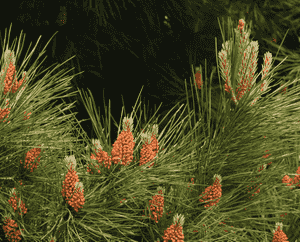
Maritime pine transplantation is most successful when temperatures rise and freezing conditions cease, generally in late spring. Select a bright area with soil that drains effectively to enable the maritime pine to develop strong root systems.
What Preparations are Needed Before Transplanting Maritime Pine?
What is the Ideal Time for Transplanting Maritime Pine?
Once the threat of frost has passed and the ground has warmed, late spring offers an optimal environment for maritime pine's roots. This period, characterized by mild temperatures and abundant new growth, provides the gentle conditions maritime pine needs to flourish. Transplanting maritime pine during this time of renewed growth encourages strong root development and eases its adjustment, enhancing its chances for thriving throughout the year.
How Much Space Should You Leave Between Maritime Pine Plants?
When transplanting maritime pine, ensure ample room for growth. Maintain a distance of approximately 10-12 feet (3-3.6 meters) between each tree. They will benefit from this additional space to extend their branches.
What is the Best Soil Mix for Maritime Pine Transplanting?
Let's get the soil ready for maritime pine. You'll need a soil type that drains well, ideally sandy or loamy. Incorporate a generous amount of organic fertilizer to aid root establishment after transplanting. This combination provides the necessary nutrients for your plant to thrive.
Where Should You Relocate Your Maritime Pine?
Regarding location, maritime pine prefers sunny spots. Choose a site that receives direct sunlight for at least 6-8 hours daily. However, maritime pine is quite adaptable to various light conditions.
What Equipments Should You Prepare Before Transplantation Maritime Pine?
Gardening Gloves
To safeguard your hands while working with soil and plants.
Shovels
Necessary for excavating holes in the ground for the plant and manipulating the root system of the potted maritime pine.
Gardening Trowel
Useful for extracting the maritime pine from its original container or seedling tray location.
Pruning Shears
For trimming any damaged roots of maritime pine during transplantation.
Hose or Watering Can
Used for hydrating the plant both prior to and following transplantation.
Wheelbarrow or Plant Dolly
To move larger maritime pine trees from their initial spot to the new location.
Garden Stakes and Ties
Required to support maritime pine after transplanting to ensure it grows upright.
How Do You Remove Maritime Pine from the Soil?
How Do You Remove Maritime Pine from the Soil?
From Ground: First, moisten the maritime pine plant to soften the soil, making removal easier and less stressful for the plant. Using a shovel, dig around the plant, being careful not to disturb the main root area. Gently lift the maritime pine plant from its original spot, striving to preserve as much of the root system as possible.From Pot: While wearing gardening gloves, invert the pot, allowing the plant and its roots to slide out with the soil. The best time for this is when the soil is relatively dry to prevent root damage.From Seedling Tray: Using a garden trowel, carefully separate the maritime pine seedling from its neighboring seedlings. Lift the seedling by its leaves, not by its stem or roots, and pull up very gently.
Step-by-Step Guide for Transplanting Maritime Pine
Plant Preparation
Examine the maritime pine plant for indications of stress, disease, or pests before relocation. Trim any damaged or dead sections with pruning shears. Pre-water the plant several hours before moving to lessen transplant shock.
Hole Preparation
Excavate a hole that is twice as wide and the same depth as the existing root system of your maritime pine. This will ensure the roots have ample room to expand.
Placing the Plant
Carefully position the maritime pine in the hole, ensuring it is not planted deeper than its previous growing level. The root flare (where roots begin to spread from the trunk) should be visible above ground.
Backfill the Hole
Fill the hole halfway with soil, then water it to eliminate any air pockets. Once the water has settled, fill the remainder of the hole with soil.
Finishing Touches
Press the soil firmly but gently around the plant's base. Avoid compacting it too tightly, as this can hinder root growth.
How Do You Care For Maritime Pine After Transplanting?
Watering
Maritime pine requires good hydration. Water the newly transplanted maritime pine immediately after planting. This helps the soil settle around the roots and reduces transplant stress. Keep the soil moist, but not waterlogged, for the initial few weeks or until the plant has established.
Staking
Secure the maritime pine with garden stakes and ties if it is unstable. This provides support until the roots are firmly established.
Inspecting
Regularly check the maritime pine for signs of transplant shock, such as yellowing leaves, wilting, or leaf drop. If these signs appear, reduce sunlight exposure and continue consistent watering.
Maintenance Pruning
Prune the maritime pine in late winter or early spring. However, remember that its characteristic shape is achieved by natural growth, so avoid heavy pruning.
Fertilizing
While not immediately necessary, feeding the maritime pine a slow-release fertilizer a month after transplanting can provide a nutrient boost to aid its recovery.
Troubleshooting Common Issues with Maritime Pine Transplantation.
What is the best time of year to transplant the maritime pine?
The optimal transplanting period for maritime pine is during S3. This timing allows the plant to adapt before its active growth phase begins.
How should I prepare the hole for maritime pine transplanting?
Dig a hole twice the width and the same depth as the maritime pine's root ball. Preparing a larger area gives roots space to spread and develop.
Why are my transplanted maritime pine wilting?
Wilting may indicate transplant shock. To help maritime pine recover, keep the soil moist but not saturated, and shield it from harsh weather and direct sun for a few days.
What spacing should be maintained while transplanting the maritime pine?
To prevent overcrowding, ensure a comfortable distance of about 10-12 feet (3-3.7 meters) between each maritime pine. English Ivy appreciates ample breathing room.
How should I water a newly transplanted maritime pine?
After transplanting maritime pine, water it thoroughly to settle the soil around the roots. Subsequently, regular but moderate watering, without waterlogging the site, will suffice.
Do I need to add fertilizer after transplanting the maritime pine?
Immediately after transplanting, maritime pine does not require fertilizer. Wait until new growth emerges, then begin a regular feeding schedule with a slow-release fertilizer.
Why are the leaves of my transplanted maritime pine turning yellow?
Yellowing leaves could signal overwatering or drainage problems. Maritime pine prefers well-drained soil; ensure it is not constantly sitting in waterlogged conditions.
What soil is ideal for the maritime pine when transplanting?
Well-drained, sandy or loamy soil is excellent for maritime pine. If the soil is heavy clay or drains poorly, consider amending it with compost or coarse sand.
Why aren't my transplanted maritime pine showing new growth?
Lack of new growth might be due to environmental stress or insufficient nutrients. Be patient, maintain optimal watering, and apply a slow-release fertilizer when the maritime pine resumes growing.
How deeply should I plant the maritime pine when transplanting?
When transplanting a maritime pine, the top of the root ball should be at or slightly above the soil surface. Planting too deeply can lead to stem rot or delayed growth.



