How to Transplant Balkan pine?
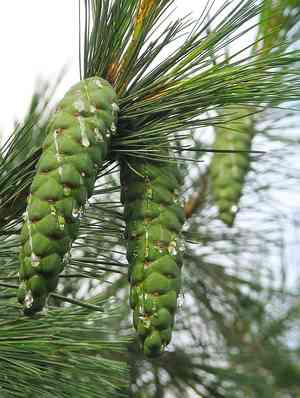
For Pinus peuce, spring relocation encourages root growth, avoiding the strain of harsh temperatures. Select a bright, adequately drained spot. Should adaptation be necessary, gradually introduce it to its new environment for peak development.
What Preparations are Needed Before Transplanting Balkan Pine?
What is the Ideal Time for Transplanting Balkan Pine?
The perfect time for relocating balkan pine is during the spring months. This period aligns with the plant's natural growth cycle, promoting root establishment before summer heat. Moving balkan pine in spring encourages strong growth, as mild weather reduces transplant shock, allowing roots to flourish. The moist spring soil and increasing daylight create an ideal environment for balkan pine to settle into its new location with vigor.
How Much Space Should You Leave Between Balkan Pine Plants?
Firstly, ensure balkan pine has ample room to develop. Ideally, these plants should be spaced approximately 10-15 feet (3-4.5 meters) apart. This spacing will maintain their health and optimal appearance!
What is the Best Soil Mix for Balkan Pine Transplanting?
Now, prepare the soil! A well-drained soil type is optimal for your balkan pine. For an initial boost, use a foundational fertilizer rich in organic matter. This could be compost or slow-release granular nutrients.
Where Should You Relocate Your Balkan Pine?
Remember, your balkan pine plant thrives in sunlight. Therefore, select a sunny spot in your garden. However, they can also tolerate partial shade. Ample sunlight will aid in photosynthesis and promote stronger growth.
What Equipments Should You Prepare Before Transplantation Balkan Pine?
Gardening Gloves
To safeguard your hands while handling soil and the plant.
Shovel or Spade
These tools are for excavating the balkan pine plant from its original spot, keeping its root ball as intact as possible.
Garden Fork
To gently loosen the soil surrounding the plant's root ball.
Burlap or Tarp
To wrap the root ball during transport, ensuring the soil around the roots remains in place.
Watering Can or Hose
Required for hydrating the plant both before and after the transplant is finished.
Wheelbarrow
To move the plant if it is too heavy to carry.
Mulch
Applied after transplanting to help retain soil moisture.
How Do You Remove Balkan Pine from the Soil?
How Do You Remove Balkan Pine from the Soil?
From Ground: Begin by watering the balkan pine plant the day prior to transplanting to lessen transplant shock. The following day, use a shovel or spade to dig a wide and deep circle around the plant, being careful not to harm the roots. Once you've dug around the plant, gently lift it from the ground and place it on burlap or a tarp to protect the root ball during transit.From Pot: Water the plant sufficiently to moisten the soil but avoid making it overly saturated. Carefully turn the pot sideways, hold the plant by its base, and gently tap the bottom of the pot until the plant slides out. Handle the plant with care, ensuring no damage to the root ball.Seedling Tray: Gently water the seedlings to loosen the soil. Handle seedlings by their leaves to prevent damage and use a tool, such as a popsicle stick, to lift from beneath. Carefully remove the plant from its cell, taking care not to injure any roots.
Step-by-Step Guide for Transplanting Balkan Pine
Preparation
Before extracting the balkan pine from its initial location, prepare the new hole. It should be twice as wide as the current root ball and equally deep.
Removal
Follow the aforementioned removal process to dig out the balkan pine, ensuring to handle it with extreme care.
Placing
Position the balkan pine in the center of the prepared hole. Fill it halfway with native soil, then water the plant. Once the water drains, fill the remainder of the hole with soil, firmly compacting to eliminate air pockets.
Watering
Thoroughly water the plant after the transplant to ensure it is well-hydrated.
How Do You Care For Balkan Pine After Transplanting?
Irrigation
Water the balkan pine consistently during the initial weeks, based on soil moisture and weather conditions. Check the soil regularly to ensure it receives adequate water.
Protection
Apply mulch around the base of the balkan pine to aid in moisture retention and help control weeds.
Monitoring
Watch for symptoms of transplant shock, such as drooping or yellowing leaves. If issues persist, consider contacting a local cooperative extension service or a reputable nursery.
Pruning
Avoid excessive pruning immediately after transplanting. Allow the balkan pine to recover and establish new roots first. Minor pruning for shaping is acceptable.
Feeding
Do not fertilize the plant immediately after transplanting. The balkan pine requires time to adjust to its new surroundings.
Troubleshooting Common Issues with Balkan Pine Transplantation.
When's the best time to transplant balkan pine?
The optimal period to transplant balkan pine is during the S1-S3 season. Moving it at this time will give the plant the best chance for successful rooting and growth.
How can I prepare the new location before transplanting balkan pine?
Be sure to prepare a hole that is twice as wide and deep as the root ball. The ideal distance between plants should be 10-15 feet (3-4.5 meters) to allow for proper development.
How much water does balkan pine need after transplantation?
After transplantation, you must water balkan pine thoroughly. Maintain consistent soil moisture, but avoid waterlogging, which can lead to root rot.
Do I need to add any special soil to the hole for balkan pine?
It is not mandatory; however, adding quality compost or well-rotted manure can enhance soil fertility and give balkan pine a strong start.
What should I do if the leaves of my newly-transplanted balkan pine are yellowing?
Yellowing leaves might indicate water stress. Check soil moisture and add water if needed. Monitor regularly and ensure the plant also receives sufficient sunlight.
How should I handle the root ball when transplanting balkan pine?
Be gentle with the root ball. Remove any broken or dead roots, and ensure not to compact the root ball too tightly during transplanting.
What if the balkan pine looks wilted after being transplanted?
Transplant shock can cause wilting. Keep the soil moist and provide slightly shaded conditions until the plant recovers. The plant should rebound with proper care.
Whatâs the best fertilizers to use when transplanting balkan pine?
Slow-release or organic fertilizers rich in nitrogen are best for balkan pine. They promote healthy growth. Avoid using excessive amounts to prevent root burn.
How long will it take for balkan pine to get established after transplanting?
Balkan pine may take 1-2 years to become fully established. During this period, provide consistent care and monitor its growth and health.
How to protect the balkan pine during the winter after transplantation?
Mulch around the base of balkan pine to shield the root system from the harsh cold. Maintain regular watering to prevent dehydration caused by cold and windy conditions.



