How to Transplant Mugo pine?
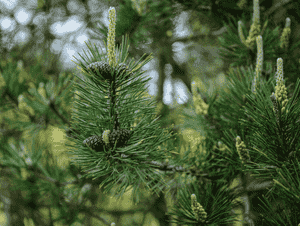
The ideal period for relocating mugo pine spans from the beginning to the end of spring, allowing ample time for it to settle prior to the summer warmth. Select a location with full sun to partial shade and soil that drains effectively. Don't forget to incorporate organic material for peak development and hardiness.
What Preparations are Needed Before Transplanting Mugo Pine?
What is the Ideal Time for Transplanting Mugo Pine?
For mugo pine, the best time for relocation is from early spring to late spring. Moving the plant during this period safeguards it from frost and encourages robust root development. Therefore, give your mugo pine a head start this spring and capitalize on this favorable growing season!
How Much Space Should You Leave Between Mugo Pine Plants?
When relocating mugo pine, ensure each plant is spaced approximately 5-10 feet (1.5-3 meters) apart. This provides ample room for growth without competition for nutrients and light.
What is the Best Soil Mix for Mugo Pine Transplanting?
For successful establishment, mugo pine needs well-draining soil, ideally sandy or loamy. To prepare the soil, incorporate a balanced, slow-release fertilizer according to the manufacturer's instructions. This guarantees plants receive adequate nutrients.
Where Should You Relocate Your Mugo Pine?
Locate a spot with full sun to partial shade, as mugo pine thrives in various light conditions. Ideally, aim for an area that receives at least 6 hours of direct sunlight daily for optimal growth and vitality.
What Equipments Should You Prepare Before Transplantation Mugo Pine?
Shovel or Spade
To excavate the planting hole for the mugo pine and to lift its root ball from its prior location.
Gardening Gloves
To safeguard your hands while digging and handling the plant.
Pruning Shears
To trim congested or damaged roots if necessary.
Watering Can
To thoroughly hydrate the mugo pine after it has been relocated.
Wheelbarrow or Tarp
To safely transport the mugo pine from its original spot to its new position.
How Do You Remove Mugo Pine from the Soil?
How Do You Remove Mugo Pine from the Soil?
From Ground: First, moisten the soil surrounding the mugo pine. Using a shovel or spade, begin by digging a circular trench around the plant, ensuring the root ball remains intact. Carefully work the spade beneath the root ball and lift the plant from the ground. Key tip - try to retain as much of the original soil around the roots as possible during this process.From Pot: Water the mugo pine plant thoroughly, ensuring the soil is completely saturated. Tilt the pot sideways and gently ease the plant out, taking care not to harm the root ball. If the mugo pine is stuck, you might need to lightly tap the pot against a firm surface to loosen it.From Seedling Tray: Water the seedling tray first to dampen the soil. Gently separate the mugo pine seedling using a small tool like a chopstick or dull knife, keeping the roots as undamaged as possible. Hold the seedling by its leaf, not the stem, as you lift it from the tray.
Step-by-Step Guide for Transplanting Mugo Pine
Preparation
Clear the designated area of any weeds or rocks before you start. The hole should be two to three times the width of the mugo pine root ball and of equal depth.
Placing mugo pine
Position the mugo pine in the center of the hole, ensuring it stands upright and is at the correct depth; the root ball should be level with the ground or slightly elevated.
Filling In
Backfill the hole with the soil you previously removed, pressing down firmly but gently around the root ball. Do not bury the trunk or place the mugo pine more than an inch deeper than it was in its initial location.
Watering
Immediately after the mugo pine is planted, water it deeply until water collects around the base. Watering will help the soil settle and eliminate air pockets that could dry out roots. Repeat the watering after an hour.
How Do You Care For Mugo Pine After Transplanting?
Watering
To ensure the mugo pine establishes well, water it weekly for the first year unless it rains. Avoid waterlogging the soil, but keep it consistently moist.
Mulching
Applying a 3-inch layer of bark, shredded leaves, or compost around the tree's base, but not touching its trunk, will prevent moisture from evaporating too quickly.
Pruning
Refrain from heavy pruning for the initial year. If necessary, only trim off dead or damaged branches.
Fertilizing
Avoid fertilizing the mugo pine immediately after transplanting; it can wait until the subsequent growing season. Use a slow-release formula rich in nitrogen.
Troubleshooting Common Issues with Mugo Pine Transplantation.
What is the best time of the year to transplant mugo pine?
The optimal period to relocate mugo pine is from the beginning of spring until mid-spring.
How far apart should I plant mugo pine when transplanting?
The ideal spacing for mugo pine is 1.5-3 meters or 4.9-9.8 feet between each plant.
How deep should the planting hole be for mugo pine?
Prepare a hole twice as wide and equally deep as the root ball of your mugo pine.
What type of soil is ideal for transplanting mugo pine?
Mugo pine prefers well-drained soils with a slightly acidic pH. Enriching soil with organic matter can help.
How should I water mugo pine after transplanting?
After relocating mugo pine, water thoroughly, ensuring the soil around the root ball is moist, not saturated. Regular watering during the first year promotes root establishment.
Should I prune mugo pine during the transplanting process?
Yes, it's advisable to trim back any damaged or diseased branches before transplanting to promote the overall health of mugo pine.
How can I prevent transplant shock in mugo pine?
Consistent water access, good soil, and careful handling during transplanting can reduce transplant shock for mugo pine. Also, a good root stimulator can help.
Can I use mulch when transplanting mugo pine?
Absolutely, mulching around the base of mugo pine, while avoiding the trunk, helps retain moisture and keeps weeds at bay.
Can mugo pine tolerate full sun after transplantation?
Mugo pine can be relocated in full sun to partial shade. However, young plants may require some sun protection during the hottest days.
What should I do if my transplanted mugo pine shows yellowing foliage?
Yellowing could indicate water stress, overwatering, or disease. Check soil moisture levels, make adjustments as needed, and monitor the plant's recovery.



