How to Transplant Lodgepole pine?
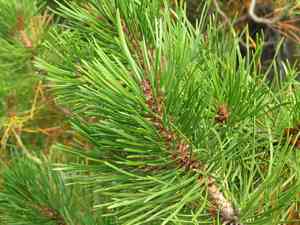
Lodgepole pine, when being relocated, flourishes best if moved in the mild temperatures of late spring or early summer. This timing allows for strong root development prior to the colder months. Choose locations that receive ample sunlight and have good drainage, and gradually introduce the lodgepole pine to its new surroundings for the most favorable outcome.
Necessary Preparations Before Relocating Lodgepole Pine?
Optimal Period for Lodgepole Pine Relocation?
The best time to move lodgepole pine is from the start of spring through early summer. This timeframe allows lodgepole pine sufficient opportunity to develop roots prior to winter's demands.
Recommended Spacing Between Lodgepole Pine Plants?
It's great you're dedicated to growing lodgepole pine! A helpful hint: always maintain a distance of approximately 15-20 feet (4.5-6 meters) between each plant. This provides ample room for the plant to thrive and grow robustly.
Ideal Soil Blend for Lodgepole Pine Relocation?
To ensure the healthy development of lodgepole pine, prepare a sandy or gravelly soil that drains effectively. A nitrogen-rich base fertilizer will be extremely beneficial. This will guarantee the flourishing growth of your plant companions.
Optimal Location for Your Lodgepole Pine?
For lodgepole pine to grow best, select a location that receives full sun exposure. However, the plant can also endure some shade. The combination of bright sunlight and comfortable shade will allow your lodgepole pine to flourish beautifully!
Equipment to Prepare Before Transplanting Lodgepole Pine?
Gardening Gloves
To safeguard your hands while handling soil and lodgepole pine.
Shovel or Spade
These tools are essential for excavating lodgepole pine from its original spot and preparing the new planting hole.
Bypass Pruners
Useful for trimming any damaged roots or shoots of the lodgepole pine.
Wheelbarrow or Tarp
For moving the lodgepole pine from its initial location to the new planting area.
Watering Can or Hose
Crucial for hydrating the lodgepole pine before, during, and after the transplanting process.
Organic Compost
To blend with the existing soil when planting lodgepole pine, enhancing soil quality and providing extra nutrients.
Mulch
To apply around the base of the lodgepole pine post-transplant to retain soil moisture and inhibit weed growth.
How to Extract Lodgepole Pine from the Soil?
How to Extract Lodgepole Pine from the Soil?
From Ground: Start by watering the lodgepole pine plant to moisten the soil. Afterward, use your spade or shovel to dig a wide trench around the plant, ensuring the plant's root ball remains as intact as possible. Carefully work your way under the root system, gently lifting the plant from its original position.From Pot: Similar to ground removal, begin by watering the lodgepole pine. Tilt the pot sideways, tap it gently, or roll it on the ground to loosen the root system. Grasp the plant's base and steadily pull it out. If it's stubborn, cutting the pot away can be a last resort.From Seedling Tray: Water the lodgepole pine first. Carefully hold the stem, invert the tray, and lightly tap it to release the seedlings. Use a butter knife to assist in sliding them out if they are difficult to remove.
Step-by-Step Guide for Relocating Lodgepole Pine
Site Preparation
Excavate a hole twice as wide but equal in depth to the lodgepole pine's root ball. Combine native soil with some organic compost to place at the bottom of the hole.
Plant Placement
Position the lodgepole pine centrally in the hole, ensuring the top of the root ball is level with the ground. Backfill the hole halfway, then water thoroughly to settle the soil.
Planting Completion
Once the water has drained, fill the remainder of the hole with soil. Press down gently to remove any air pockets, but avoid compacting the soil heavily.
Watering and Mulching
Water again after planting. Apply a layer of mulch around the base of the lodgepole pine, keeping it a few inches away from the stem. Avoid piling mulch against the trunk as it can encourage pests and disease.
Post-Transplant Care for Lodgepole Pine
Watering
Ensure the soil around the lodgepole pine stays moist but not waterlogged for several weeks after transplanting. Water deeply at the root zone instead of just wetting the foliage.
Pruning
For the first year after transplanting, only remove damaged or diseased branches from the lodgepole pine to allow the plant to focus its energy on root development.
Monitoring
Observe the lodgepole pine for signs of stress such as wilting, yellowing, or dropped leaves. If these appear, reduce sunlight exposure and increase water. However, do not overwater as this can lead to root rot.
Resolving Common Issues with Lodgepole Pine Transplantation.
What is the best time of year to transplant lodgepole pine?
The optimal period to transplant lodgepole pine is from late spring to early autumn (S2-S4). This allows the plant to establish itself before winter.
What distance should I maintain between lodgepole pine during transplantation?
For optimal growth, maintain a spacing of approximately 15-20 feet (4.5-6 meters) between each lodgepole pine.
How deep should I plant lodgepole pine during transplantation?
Ideally, dig a hole that is about twice as wide and deep as the root ball. This facilitates easy root spread.
How do I prepare soil for transplanting lodgepole pine?
Enrich the soil with organic matter. Ensure the soil drains well, as lodgepole pine prefers moist but not waterlogged conditions.
What's the best way to water lodgepole pine after transplantation?
Water lodgepole pine immediately after transplanting, thoroughly moistening the soil. Then maintain consistent watering, but be cautious of over-watering.
How do I handle pests after transplanting lodgepole pine?
Watch for pests like mites and beetles. If observed, use a natural or chemical pesticide depending on the severity.
How do I know if my transplanted lodgepole pine is healthy?
Lodgepole pine should display vibrant green needles and new shoot growth. If these indicators are absent, it may be under stress.
What if the lodgepole pine shows signs of disease after transplant?
Look for symptoms such as discoloration or dropped needles. If observed, apply a suitable fungicide or consult a professional.
Do I need to stake lodgepole pine after transplanting?
Staking is not always necessary. However, for taller lodgepole pine, it helps stabilize them until their root system establishes.
What type of sunlight does a transplanted lodgepole pine require?
Lodgepole pine thrives in full sun. Therefore, ensure your chosen transplant site exposes the plant to at least 6 hours of sunlight daily.



