How to Transplant Sand pine?
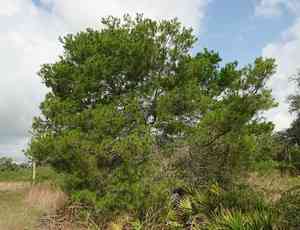
The optimal period for relocating sand pine is in early spring, facilitating an effortless adjustment. Choose a bright spot featuring soil that drains effectively. Should it be required, judicious root trimming can aid in a prosperous relocation. Bear in mind, attentive nurturing leads to flourishing sand pine.
What Preparations are Needed Before Transplanting Sand Pine?
What is the Ideal Time for Transplanting Sand Pine?
The best time to move sand pine is at the start of spring, or when spring is fully underway. This period benefits from mild temperatures and increased moisture, which helps sand pine's roots and encourages strong development. Choosing this window for transplanting not only eases sand pine's move to a new spot but also aligns with its natural growth cycle, giving it a head start for the year's flourishing. As the soil awakens from winter, it's an excellent time for sand pine's roots to integrate and establish, providing a firm base for lasting health and vigor.
How Much Space Should You Leave Between Sand Pine Plants?
When planning for sand pine transplant, ensure each young tree has approximately 6-8 feet (1.8-2.4 meters) of clearance around it. This guarantees each sand pine has sufficient room to grow, allowing its root system and canopy to expand healthily.
What is the Best Soil Mix for Sand Pine Transplanting?
The sand pine thrives in soil that drains well, ideally sandy or loamy. Enhance your soil with a basic fertilizer designed for evergreens to jumpstart your plant's development. Apply sparingly, as you don't want to 'overfeed' your newly transplanted specimens.
Where Should You Relocate Your Sand Pine?
For optimal growth, place the sand pine in an area with full sun exposure. This means a spot where it will receive 6 or more hours of direct sunlight daily. This will help your transplants flourish more quickly.
What Equipments Should You Prepare Before Transplantation Sand Pine?
Gardening Gloves
These offer essential protection when working with soil and handling the plant.
Shovel
Used for digging the hole where you will transplant the sand pine plant.
Trowel
It's useful when extracting the sand pine plant from a pot or seedling tray.
Garden Hose or Watering Can
These are used to hydrate the plant before and after its relocation.
Compost
This supplies extra nutrients to aid the sand pine plant in establishing itself in its new spot.
Mulch
It's applied to deter weed growth and helps maintain soil moisture around the plant.
Tree Handling Equipment
Required when dealing with a mature sand pine plant, including a tree dolly and straps to safeguard the root ball during transport.
How Do You Remove Sand Pine from the Soil?
How Do You Remove Sand Pine from the Soil?
From Pot: Water the sand pine plant to moisten the soil, making plant removal easier. Tilt the pot sideways, gently try to extract the plant by pulling on the stem's base while lightly tapping the pot's rim. If the sand pine plant doesn't come out, you might need to break the pot. Ensure the root ball stays intact.From Ground: First, water the sand pine plant until the soil is damp. Then, dig a wide trench around the plant with a good quality shovel, ensuring the plant's root ball remains intact. Work the shovel under the root ball and carefully lift the plant from its original location.From Seedling Tray: Arrange seedlings by size and remove the largest first. Gently grasp the sand pine plant's stem and lift it from the tray. Be sure to lift the seedling by the root ball, not by the stem or leaves.
Step-by-Step Guide for Transplanting Sand Pine
Preparation
Begin by watering your sand pine plant the day before you plan to transplant it. This ensures it is well-hydrated for the process.
Digging The Hole
Excavate a hole that is twice as wide and roughly the same depth as your sand pine's root ball. The extra space around the roots facilitates their spread and growth.
Placing The Plant
Position the sand pine in the hole. Ensure the root ball is level with the surrounding soil's surface.
Backfilling
Refill the hole with soil, being careful not to bury the stem's base.
Watering
Water thoroughly, making sure there are no air pockets around the root ball.
Mulching
Apply a layer of mulch around the plant's base. This will help retain moisture and deter weeds.
How Do You Care For Sand Pine After Transplanting?
Watering
Ensure the soil around the sand pine remains moist but not waterlogged during the initial weeks post-transplant. This aids the tree in establishing strong roots in its new spot. Avoid overwatering, as this could lead to root rot.
Pruning
Trim any broken, dead, or diseased branches after transplanting to help the sand pine tree redirect its energy towards producing healthier growth.
Pest Control
Regularly inspect the sand pine for any indications of pests or disease. This will enable prompt action before potential issues worsen.
Patience
Remember that plants typically require time to establish after being moved. It might take a few weeks before you observe new growth on the sand pine.
Troubleshooting Common Issues with Sand Pine Transplantation.
What is the best time of year to transplant sand pine?
The ideal period to transplant sand pine is between seasons S1-S2, offering the most favorable conditions.
How much space should I leave between each sand pine during transplanting?
You should ideally provide a space of 6-8 feet (1.8-2.4m) between each sand pine to ensure optimal growth.
What is the best step-by-step method for transplanting sand pine?
Start by soaking the root ball, dig a hole twice as large, place sand pine in, fill with soil, and water thoroughly.
What soil type is best for sand pine after transplantation?
Sand pine thrives in well-drained loamy soil. It will also tolerate slightly acidic to slightly alkaline soil.
How much water does sand pine need after transplantation?
Sand pine prefers moist (not soggy) soil. After transplanting, ensure regular watering until the plant is well established.
What is the ideal temperature for sand pine after transplanting?
Sand pine thrives in a wide range of outdoor temperatures, around 60-80°F (15-27°C) post-transplanting.
How do I prevent root damage when transplanting sand pine?
Handle the root ball gently during transplant. Avoid letting it dry out, and take care not to compact the soil too much.
What should I do if the sand pine shows signs of stress after transplanting?
Ensure the sand pine is getting enough water and shade. If symptoms persist, consider a soil nutrient test or consult a local extension service.
Why isnât my transplanted sand pine growing as expected?
Insufficient light, incorrect watering, temperature stress, or nutrient deficiency might slow growth. Review these factors to find a possible solution.
What should I do if the transplanted sand pine has yellowing leaves?
Yellowing leaves could be a symptom of overwatering, under watering, or nutrient deficiency. Adjust watering routine and consider a soil test.



