How to Transplant Swiss stone pine?
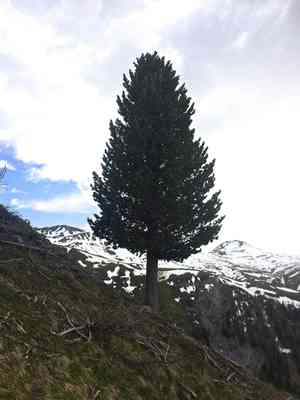
The most suitable period for relocating swiss stone pine is in the milder weather of mid-to-late spring, which aids in root development. Select a site featuring soil that drains effectively and receives partial to ample sunlight. When moving swiss stone pine, safeguard the root system's condition to ensure a seamless adaptation.
Essential Preparations Before Relocating Swiss Stone Pine?
Optimal Timing for Swiss Stone Pine Relocation?
Choose the peak of the growing season, specifically mid to late spring, for transplanting swiss stone pine. This period of renewed growth ensures robust root establishment. Placing swiss stone pine during this time allows the plant to benefit from longer, warmer days and milder evenings, promoting strong development before winter. Helpful hint: spring transplantation aligns with nature's revival, the perfect moment for swiss stone pine to flourish in its new spot.
Recommended Spacing Between Swiss Stone Pine Plants?
To provide each swiss stone pine ample room for development, position them 20-25 feet (6-7.6 meters) apart. This ensures roots have sufficient space to spread and absorb nutrients. Remember, proper spacing encourages good health and enhanced growth for your plant!
Best Soil Blend for Swiss Stone Pine Transplanting?
Utilize well-drained, sandy or loamy soil for swiss stone pine. To prepare the base, incorporate a slow-release, granular fertilizer. This supplies essential nutrients, giving your plant an excellent start!
Ideal Location for Your Swiss Stone Pine?
For optimal outcomes, select a site where the swiss stone pine will receive full sun to partial shade. This plant thrives with 4-6 hours of daily sunlight. Sunny locations foster vigorous growth and improve your plant's vitality.
Equipment Needed Before Transplanting Swiss Stone Pine?
Gardening Gloves
To protect your hands when handling soil and roots.
Spade or Shovel
Necessary for extracting the plant from its original spot and excavating a new hole at the transplant site.
Gardening Trowel
A crucial tool for precisely shaping the hole for your swiss stone pine.
Watering Can or Hose
For moistening the soil and hydrating the plant post-transplant.
Mulch
Helps retain soil moisture around the plant after relocation.
Root stimulator
Beneficial for encouraging strong root development and aiding your swiss stone pine in settling into its new environment
How to Extract Swiss Stone Pine from the Soil?
How to Extract Swiss Stone Pine from the Soil?
From Ground: Begin by watering the soil around the swiss stone pine to facilitate easier plant removal. Next, dig a wide circle around the plant with a spade or shovel, ensuring its entire root system remains undisturbed. Gently slide the spade beneath the root ball to lift the plant out, being careful not to harm the roots or the underside of the swiss stone pine.From Pot/Container: If the swiss stone pine is in a pot, water it thoroughly about an hour before you intend to transplant. Carefully tip the pot sideways and, using your fingers, gently ease the swiss stone pine out of the pot. Avoid pulling it by the stems. Instead, lightly work your fingers into the sides and bottom of the root ball and slide it out.From Seedling Tray: For seedlings, water the tray well, then gently press on the bottom of the individual cell to loosen the seedling. Carefully lift it out by the leaves, not the stem, to prevent damage. Keep as much soil around the roots as possible to minimize shock during transplanting.
Step-by-Step Guide for Relocating Swiss Stone Pine
Digging
Using a spade, excavate a hole at the chosen transplant site that is approximately twice as wide and as deep as the swiss stone pine's root ball. This ensures ample space for the roots to spread and grow.
Placing
Position your swiss stone pine into the hole. Confirm it stands upright, and adjust the hole's depth if necessary, ensuring the top of the root ball is level with the ground.
Backfilling
Refill the hole with the original soil removed from it. Firmly, yet gently, compact the soil around the plant to eliminate air pockets.
Watering
Thoroughly water your swiss stone pine after transplanting to settle the soil and assist the plant in recovering from transplant shock.
Mulching
Apply a 2-3 inch layer of mulch around the plant's base, but not touching the stem, to help retain moisture and inhibit weed growth.
Post-Transplant Care for Swiss Stone Pine?
Watering
Ensure the soil around your swiss stone pine stays consistently moist, but not waterlogged, for the initial weeks after transplanting. This is crucial for developing stronger roots.
Pruning
Lightly prune your swiss stone pine after transplanting to encourage bushier growth and a better shape. Also, remove any dead or dying branches to enhance the plant's health.
Protection
Utilize a tree guard or wire mesh to shield young swiss stone pine from pests, harsh weather, and lawn equipment until it becomes established.
Monitoring
Regularly check for signs of transplant shock. If leaves yellow or drop, confirm you are not overwatering and that your swiss stone pine is receiving adequate sunlight.
Addressing Common Issues with Swiss Stone Pine Transplantation.
When is the best time to move a swiss stone pine plant?
The ideal period to relocate your swiss stone pine is during early to mid-spring (S2-S3). This allows them time to establish their roots before the hot summer season.
What spacing should I use for swiss stone pine after transplanting?
Maintain a distance of approximately 20-25 feet (6-7.6 meters) between each plant. This provides each swiss stone pine sufficient area to grow without overcrowding.
What is the correct depth for transplanting swiss stone pine?
Aim to plant swiss stone pine at the same depth it was originally growing. The top of the rootball should be flush with the surrounding soil.
How should I prepare the soil before transplanting swiss stone pine?
Ensure the soil is loosened and enriched with organic matter. Good soil structure promotes healthy root growth for swiss stone pine.
Is immediate watering necessary for swiss stone pine after transplanting?
Absolutely! Watering helps to settle the soil, reducing air pockets around the rootball. This creates a moist and welcoming environment for your swiss stone pine to thrive.
What sunlight exposure is optimal for swiss stone pine after transplanting?
Swiss stone pine perform best when situated in a location that receives full to partial sunlight. Insufficient light can result in a weak and leggy plant.
What care should I provide swiss stone pine post-transplant?
After transplanting, swiss stone pine may experience transplant stress. Consistent watering, maintaining soil nutrient levels, and proper sun exposure will aid in their recovery and growth.
How frequently should I fertilize swiss stone pine after transplant?
For the first year after transplanting, fertilize swiss stone pine once in early spring and again in mid-summer, assuming it is growing in nutrient-rich soil.
What indicates if my swiss stone pine is not adapting well after transplant?
Symptoms of transplant shock in swiss stone pine may include leaf yellowing, wilting or dropping, slower growth, or dieback from tips. Address any apparent issues promptly.
How can I minimize disease risk after transplanting swiss stone pine?
Immediately after transplant, avoid injuring swiss stone pine. Additionally, ensure you've used clean, pathogen-free tools and soil. A well-maintained plant tends to resist disease more effectively.



