How to Transplant Canary islands pine?
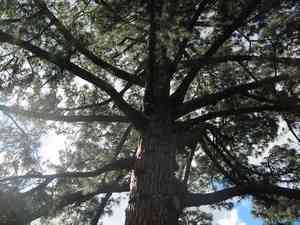
For Pinus canariensis, the ideal period for relocation is in the mild warmth of late spring, fostering strong root development. Select a bright spot with soil that drains effectively, and allow ample room for future expansion; these large trees thrive with sufficient space.
What Preparations are Needed Before Transplanting Canary Islands Pine?
What is the Ideal Time for Transplanting Canary Islands Pine?
The optimal period for relocating canary islands pine is during late spring. This timing takes advantage of mild weather, allowing canary islands pine to establish roots before summer's heat. Transplanting canary islands pine at this point ensures a smooth transition, with gentle temperatures aiding its acclimatization, fostering strong growth. Choosing this season maximizes canary islands pine's recovery, providing an ideal window for root expansion and foliage development.
How Much Space Should You Leave Between Canary Islands Pine Plants?
Ensure ample room for canary islands pine. Ideally, the distance between each young tree should be approximately 20 to 30 feet (6 to 9 meters). This will enable them to reach their full potential without competing for nutrients and space.
What is the Best Soil Mix for Canary Islands Pine Transplanting?
Prepare the soil with a foundation of well-drained loamy soil, enriched with a complete slow-release fertilizer. This will provide canary islands pine with the perfect nutrients and conditions to flourish.
Where Should You Relocate Your Canary Islands Pine?
For placing canary islands pine, select a spot where it will receive full or partial sunlight. Excessive shade could impede its development, so an open area is preferred. Happy planting!
What Equipments Should You Prepare Before Transplantation Canary Islands Pine?
Spade
For excavating a hole in the ground and extracting the canary islands pine from its original spot. It will help preserve the plant's root system during the process.
Gardening Gloves
To safeguard your hands while handling soil, cutting roots, and managing the plant. They will also protect you from potential irritation or allergic reactions.
Pruning Shears
To trim any dead or damaged roots of the canary islands pine plant. They will leave only healthy roots and encourage better root development after transplanting.
Garden Trowel
For precise and controlled backfilling and smoothing the soil around the plant.
Garden Hose or Watering Can
For hydrating the plant before removal, for moistening the new planting area, and for watering the plant after the transplant.
Wheelbarrow or Bucket
For moving the canary islands pine plant from its initial location to the new site with minimal root disturbance.
How Do You Remove Canary Islands Pine from the Soil?
How Do You Remove Canary Islands Pine from the Soil?
From Ground: Begin by thoroughly watering the canary islands pine plant a day prior to your intended transplant to make the soil easier to work with and keep the roots hydrated. Then, using a spade, dig a circle around the canary islands pine, aiming to include as much of the root ball as possible. Pry the spade under the root ball, gently detaching the plant from the soil. Carefully lift the plant out of its hole, ensuring you prevent any unnecessary damage to the roots.From Pot: After saturating the canary islands pine with water a day before, tilt the pot on its side and gently slide out the plant. If the plant doesn't come out easily, you might need to tap on the pot to loosen the soil and roots. Be careful not to pull the plant out by its stem or trunk as it might harm the plant.From Seedling Tray: Water the canary islands pine plant first to facilitate its removal. Push the seedling from the bottom, gently extracting it from the tray. Always handle by the root ball and not the stem.
Step-by-Step Guide for Transplanting Canary Islands Pine
Digging the Hole
Start by creating a hole as deep as the root ball and three times its width. This provides the plant ample room to establish its roots.
Preparing the Plant
Before placing your canary islands pine plant in the hole, remove any dead or damaged roots with pruning shears. Remember to handle the plant by the root ball, not by the stem or trunk.
Placing the Plant
Position the plant in the center of the hole. The top of the root ball should be level with or slightly above the surrounding soil to aid water drainage.
Filling in
Backfill with the native soil you removed when digging the hole. This soil is what the canary islands pine plant is naturally adapted to grow in. Firmly pack the soil around the base of the plant to ensure stability.
Watering
Water the plant thoroughly immediately after transplant to help settle the soil and provide hydration.
How Do You Care For Canary Islands Pine After Transplanting?
Staking
If your canary islands pine is tall and somewhat unstable after the transplant, it might require staking. However, ensure the stake is removed after the first year to prevent dependency.
Monitoring
Keep a close watch on the plant for the next several weeks to check for any indications of transplant shock, such as wilting leaves or a lack of new growth.
Watering
Consistent watering is vital for a newly transplanted specimen. Keep the soil uniformly moist, but not waterlogged. Too much water could drown the roots, causing them to rot.
Adapting Fertilization
Wait for at least a month after transplanting before beginning fertilization, allowing the plant to recover from transplantation stress.
Pruning
Limit pruning to dead or diseased branches for the first year after planting to allow the canary islands pine plant to focus its energy on root development.
Troubleshooting Common Issues with Canary Islands Pine Transplantation.
What's the best time to transplant canary islands pine?
The optimal time to transplant canary islands pine is in the S2 season, when they are dormant, as the cooler weather and rainfall encourage root growth.
What's the ideal spacing when transplanting canary islands pine?
When transplanting canary islands pine, it's essential to leave about 20-30 feet (6-9 meters) between plants. This spacing provides them ample room to spread and grow.
What preparation is required before transplanting canary islands pine?
Preparing the hole in advance is crucial. It should be twice the size of the root ball, and contain a mixture of compost and native soil for improved nutrient composition.
Why is my transplanted canary islands pine wilting?
Wilting after transplant typically indicates transplant shock. Be sure to provide sufficient but not excessive water, and shield the tree from extreme weather conditions for a period.
How deep should I plant the canary islands pine during transplantation?
The hole should be deep enough to cover the root ball. Generally, keeping it level with the ground or slightly above would work well for canary islands pine.
Do I need to prune my canary islands pine when transplanting?
It's not necessary to prune canary islands pine extensively during transplantation. However, removing dead or diseased branches could help the tree recover more quickly post-transplant.
Can I transplant canary islands pine in any soil type?
Canary islands pine prefers well-draining soil with a neutral or slightly acidic pH. While transplants can survive in less suitable soil, for the best results, amend your soil if necessary.
How often should a newly transplanted canary islands pine be watered?
Newly transplanted canary islands pine should be watered once a day for the first two weeks. After that, gradually reduce water frequency. Monitor signs of water stress to fine-tune your watering schedule.
Why aren't my transplanted canary islands pine growing?
If your canary islands pine isn't growing post-transplant, it could be due to improper water balance, poor soil nutrition, or insufficient sunlight. Review these factors and adjust as needed.
What care does canary islands pine require post-transplant?
Post-transplant, canary islands pine requires consistent watering, nutrient-rich soil, and protection from extreme weather conditions to encourage healthy recovery and promising growth.



