How to Transplant Jack pine?
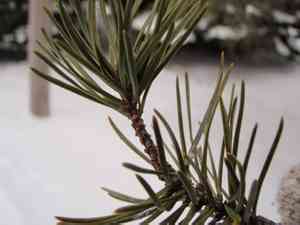
For optimal results, transplant jack pine during the mild temperatures of mid-to-late spring or the beginning of early summer, allowing for robust root development prior to the colder months. Select a location with ample sunlight and good drainage, and exercise caution to safeguard its fragile root structure.
Essential Preparations Before Relocating Jack Pine
Optimal Period for Jack Pine Relocation?
The perfect time for moving jack pine is the revitalizing phase between mid-spring and early summer. This timing is crucial, offering a mix of moderate temperatures and increased soil vigor, which provides jack pine with an excellent base for root growth and subsequent development. Transplanting jack pine during this season encourages a strong start, utilizing the season's rising warmth and longer daylight to optimize recovery and adaptation in their new spot.
Required Spacing Between Jack Pine Plants?
When planting jack pine, position each plant 10 to 12 feet (3 to 3.7 meters) apart. This provides ample room for growth without overcrowding. This is your initial step towards successful transplantation!
Ideal Soil Blend for Jack Pine Transplanting?
Prepare a foundation of well-drained, acidic soil for jack pine. A combination of loamy and sandy soil performs best. Additionally, enrich the soil with a slow-release, granular fertilizer to stimulate initial growth.
Optimal Location for Jack Pine Relocation?
Select a site with full sun exposure for jack pine. They thrive in sunlight, so choose a spot where they can receive at least six hours of sun daily. The brighter, the better!
Equipment Needed Before Jack Pine Transplantation
Gardening Gloves
To safeguard your hands while handling soil and the plant.
Shovel or Spade
Used for excavating the jack pine from its original spot, or for digging the hole at its new location.
Gardening Fork
To loosen and aerate the soil in the new location, promoting better root establishment.
Watering Can or Hose
To hydrate the jack pine both in its initial location before removal, and in its new location after planting.
Wheelbarrow or Plant Dolly
To assist in moving the jack pine if it is large or heavy.
Mulch
To aid in retaining soil moisture post-planting.
Tree Stakes and Ties
If the jack pine is large or in an exposed area, these will help support the plant and prevent it from falling over.
Method for Removing Jack Pine from Soil
Method for Removing Jack Pine from Soil
From Ground: First, water the jack pine plant the day prior to transplanting. Then, excavate a wide circle around the plant using a shovel or spade, ensuring a generous perimeter around the plant's root ball for minimal disruption. Carefully work the spade beneath the root ball to lift the plant, aiming to keep as much soil attached to the roots as possible.From Pot: If the jack pine is in a container, ensure the plant is well-hydrated a day before transplanting. Then, gently tilt the pot sideways while supporting the plant at its base, then carefully slide it out of the pot without pulling on the stem.From Seedling Tray: If you are transplanting a jack pine seedling, fill a hole with water and allow it to drain. Hold the seedling by its roots and place it in the hole. Gently fill the hole with soil, being careful not to compact the soil tightly.
Step-by-Step Guide for Jack Pine Transplantation
Digging a Hole
For a successful transplant, the new hole for the jack pine should be two to three times wider than the current root ball but no deeper. The top of the root ball should be level with or slightly above the ground surface.
Placing the Plant
Carefully position the jack pine in the hole, ensuring it stands upright.
Filling the Hole
Backfill the hole with the original soil, gently compacting it around the base of the jack pine.
Watering
After the jack pine is in place, water it thoroughly to help settle the soil and eliminate any air pockets.
Mulching and Staking
Complete the transplant by applying a layer of mulch around the base of the jack pine to help retain moisture and regulate soil temperature. If necessary, stake the plant for additional support.
Post-Transplantation Care for Jack Pine
Watering
To aid the jack pine in establishing, water it regularly, especially during the initial weeks, but avoid letting the plant sit in waterlogged soil as this can suffocate the roots and lead to decay.
Pruning
Refrain from extensive pruning immediately after transplanting; allow the plant to prioritize developing new roots.
Pest Control
Monitor for pests and diseases. Early detection allows for prompt treatment, enabling your jack pine to flourish.
Fertilizing
Wait for one year before applying any fertilizer as it may interfere with the jack pine's natural root establishment.
Checkup
Periodically inspect the tree stakes and ties for tightness to prevent trunk damage.
Resolving Common Issues with Jack Pine Transplantation.
When is the optimal time to transplant jack pine?
Ideally, you should transplant jack pine during its second to fourth growing seasons. This allows it sufficient time to establish before harsher weather conditions.
How much space does jack pine need when transplanting?
Jack pine requires ample room to grow. Ideally, you should position each plant approximately 10-12 feet (3-3.6 meters) apart from one another.
How deep should I plant jack pine when transplanting?
When transplanting jack pine, ensure the hole is at least twice as wide and as deep as the root system. This provides comfortable space for root growth.
What should I do if jack pine shows signs of stress after transplanting?
If jack pine exhibits stress symptoms like drooping or yellowing leaves, ensure it receives adequate water and the correct balance of sun and shade.
How much water does jack pine require immediately after transplantation?
After transplanting, water jack pine generously, making the soil thoroughly moist. However, be careful not to waterlog the soil, which can cause root rot.
What type of soil is suitable for transplanting jack pine?
Jack pine thrives in well-drained, sandy or loamy soil. Ensure the soil is fertile and not excessively alkaline or acidic for healthy plant growth.
Why are the leaves of my transplanted jack pine turning brown?
Brown leaves may indicate that jack pine is receiving either too much or too little water. Maintain consistent moisture levels to prevent this issue.
Why isn't my transplanted jack pine showing new growth?
It might simply be adapting to its new environment. If no new growth is visible after several weeks, ensure it's receiving sufficient natural light and nutrients.
How can I protect my transplanted jack pine from pests?
Regularly inspect jack pine for signs of pests. If observed, use organic pesticides and maintain healthy growing conditions to minimize pest occurrences.
What kind of fertilizer is recommended for jack pine after transplanting?
Jack pine responds well to slow-release granular fertilizers. This should be applied at the base of the plant but not too close to avoid root burn.



