How to Transplant Rocky Mountain Bristlecone Pine?
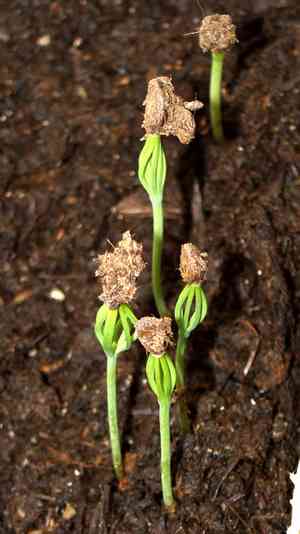
Transplanting Rocky Mountain Bristlecone Pine is most effective from late spring to mid-summer, allowing roots to settle prior to colder months. Select a bright, adequately drained location; ensure sufficient room for its full size, and think about shielding it from strong winds. Careful handling is vital due to its delicate root system.
What Preparations are Needed Before Transplanting Rocky Mountain Bristlecone Pine?
What is the Ideal Time for Transplanting Rocky Mountain Bristlecone Pine?
The best time to move rocky Mountain Bristlecone Pine is when days are long and warm, typically from late spring through mid-summer. This period aligns with the plant's natural growth, ensuring a smooth transition. Relocating rocky Mountain Bristlecone Pine during this vibrant phase helps roots establish effectively in their new spot, allowing them to take hold vigorously before autumn's chill. With the soil adequately warm and nourishing, rocky Mountain Bristlecone Pine finds the perfect environment to flourish.
How Much Space Should You Leave Between Rocky Mountain Bristlecone Pine Plants?
Preparing to plant rocky Mountain Bristlecone Pine? You'll need to provide ample spacing for optimal development. I recommend maintaining a distance of approximately 10-15 feet (3-4.6 meters) between each plant. This will allow them sufficient room to expand and grow robustly!
What is the Best Soil Mix for Rocky Mountain Bristlecone Pine Transplanting?
Before moving rocky Mountain Bristlecone Pine, prepare your soil. It thrives in well-draining soil with moderate fertility. If possible, aim for a sandy or loamy base. For nutrients, a slow-release, granular fertilizer would be an excellent choice to give rocky Mountain Bristlecone Pine a strong start!
Where Should You Relocate Your Rocky Mountain Bristlecone Pine?
When selecting a new site for rocky Mountain Bristlecone Pine, remember it prefers full sun to partial shade. A location where it can receive at least 6 hours of sunlight daily would be perfect! Enjoy your gardening!
What Equipments Should You Prepare Before Transplantation Rocky Mountain Bristlecone Pine?
Gardening Gloves
To protect your hands while handling soil and the rocky Mountain Bristlecone Pine plant.
Spade or Shovel
Required for digging up the rocky Mountain Bristlecone Pine from its original spot, whether in the ground or a container.
Wheelbarrow or Tarp
Useful for moving the rocky Mountain Bristlecone Pine from its initial location to the new one.
Watering Can or Hose
Used to hydrate the rocky Mountain Bristlecone Pine before and after the transplanting process.
Mulch
Applying mulch around the rocky Mountain Bristlecone Pine helps retain root moisture and coolness.
Tape Measure
To ensure the hole dug for transplanting the rocky Mountain Bristlecone Pine is the correct size.
How Do You Remove Rocky Mountain Bristlecone Pine from the Soil?
How Do You Remove Rocky Mountain Bristlecone Pine from the Soil?
From Ground: Water the rocky Mountain Bristlecone Pine thoroughly before starting the removal, as moist soil is easier to manage. Dig a circle around the plant, being careful not to sever any crucial roots. For mature plants, this might be about 18-24 inches in diameter. Gently work the spade beneath the root ball and lift the plant from its original spot.From Pot: Water the plant to facilitate its removal from the pot. Turn it sideways, hold it gently by the stems or trunk, and tap the bottom of the container until the plant slides out. Avoid pulling the plant directly.From Seedling Tray: Wait until seedlings are 3-4 inches tall or leaves begin to crowd. Push the seedling upwards from the bottom if it's a plastic tray. If it doesn't come out easily, use a kitchen spoon for assistance.
Step-by-Step Guide for Transplanting Rocky Mountain Bristlecone Pine
Preparation
Examine your rocky Mountain Bristlecone Pine tree to confirm it is free from disease or damage. Healthy trees better withstand transplant shock.
Digging Hole
Excavate a hole three times wider than the rocky Mountain Bristlecone Pine's root ball and equally deep. It should be large enough to accommodate the tree's root system.
Setting rocky Mountain Bristlecone Pine in Hole
Position the tree in the center of the hole. The top of the rocky Mountain Bristlecone Pine's root ball should be level with or slightly above the surrounding ground.
Backfilling
Refill the hole with soil, gently firming it around the tree's root ball.
Watering
Provide your rocky Mountain Bristlecone Pine plant with a generous amount of water immediately after transplanting. This helps settle the soil around the roots and gives the tree a good start with moisture.
How Do You Care For Rocky Mountain Bristlecone Pine After Transplanting?
Watering
Continue to water the rocky Mountain Bristlecone Pine consistently. The soil should remain moist but not waterlogged.
Temperature
Rocky Mountain Bristlecone Pine generally prefers cooler temperatures, so be mindful of extreme heat.
Monitor
Observe your rocky Mountain Bristlecone Pine to ensure it is establishing well. If the plant shows signs of stress, such as wilting or discoloration, you may need to adjust your watering schedule.
Pruning
Refrain from pruning your rocky Mountain Bristlecone Pine for the first year after transplanting, as this could cause additional stress.
Troubleshooting Common Issues with Rocky Mountain Bristlecone Pine Transplantation.
What is the best season for transplanting rocky Mountain Bristlecone Pine?
The optimal period to move rocky Mountain Bristlecone Pine is from late summer to early fall (S3-S5). It adapts better during this phase.
What is the ideal spacing for rocky Mountain Bristlecone Pine when transplanting it?
It would be beneficial to maintain a distance of approximately 10-15 feet (3-4.5 meters) between each rocky Mountain Bristlecone Pine. This will provide adequate room for growth.
Why do the roots of my transplanted rocky Mountain Bristlecone Pine look dry and shriveled?
Roots may appear dry if rocky Mountain Bristlecone Pine is not watered sufficiently after transplant. Water deeply and regularly until the plant establishes itself.
What type of soil conditions does rocky Mountain Bristlecone Pine prefer during transplant?
Rocky Mountain Bristlecone Pine will thrive best in well-drained soil. It does not favor overly wet conditions but requires consistent moisture.
Should I prune my rocky Mountain Bristlecone Pine before transplanting?
Trimming excessively long roots can assist in transplanting. However, avoid over-pruning. Rocky Mountain Bristlecone Pine needs a strong root system to establish itself.
Is it normal for rocky Mountain Bristlecone Pine needles to turn brown after transplantation?
Browning needles can indicate transplant shock. Allow rocky Mountain Bristlecone Pine time to adjust. Maintain consistent watering and avoid excessive direct sunlight exposure.
How deep should I dig the hole when transplanting rocky Mountain Bristlecone Pine?
Prepare a hole twice the width of the root ball, and the same depth. This provides rocky Mountain Bristlecone Pine ample space for root spread.
Why is my transplanted rocky Mountain Bristlecone Pine not growing as expected?
It's normal for rocky Mountain Bristlecone Pine to prioritize root establishment before visible growth. Remember to maintain ideal conditions and be patient.
How much sunlight does rocky Mountain Bristlecone Pine require after transplantation?
Rocky Mountain Bristlecone Pine needs full sun to grow well. However, it also tolerates partial shade. Avoid placing it in deep shade post-transplantation.
What is the common mistake to avoid when transplanting rocky Mountain Bristlecone Pine?
The most frequent error is oversaturating the soil. Rocky Mountain Bristlecone Pine needs moist, well-drained soil but can be harmed by overwatering.



