How to Transplant Allspice?
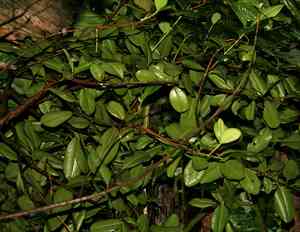
The ideal period for relocating allspice is during the peak of spring, providing temperate conditions that are highly beneficial for root establishment. Select a location bathed in sunlight with soil that drains effectively. Carefully managing the root system guarantees a seamless move to its new environment.
What Preparations are Needed Before Transplanting Allspice?
What is the Ideal Time for Transplanting Allspice?
Moving allspice from mid-spring to late spring offers prime growth opportunities. This period provides mild temperatures and suitable soil conditions, ensuring effective root establishment and plant resilience.
How Much Space Should You Leave Between Allspice Plants?
Hello green thumb! Before relocating your allspice, give them the necessary room to flourish. Position them 10-20 feet apart (3-6 meters), which allows for ample growth and air circulation.
What is the Best Soil Mix for Allspice Transplanting?
To give your allspice the best start, incorporate some compost or aged manure into well-drained, fertile soil beforehand. This will supply the nutrients your plants need for vigorous growth.
Where Should You Relocate Your Allspice?
Your allspice enjoys the sun as much as you do! Select a sunny location where it can receive full sun for most of the day. This will help your allspice thrive and produce its aromatic leaves and berries.
What Equipments Should You Prepare Before Transplantation Allspice?
Gardening Gloves
To protect your hands while handling soil and plants.
Trowel
Perfect for digging and moving allspice from containers or seedling trays.
Shovel or Spade
Needed for digging around allspice in the ground and for preparing the new planting hole.
Watering Can
For pre-watering allspice before removal and the new site after transplanting.
Pruning Shears
To trim any damaged or overly long roots prior to transplanting.
Wheelbarrow or Garden Cart
To safely transport allspice from one spot to another if required.
Stake or Plant Support
To offer support for allspice if it possesses a tall or weak stem.
How Do You Remove Allspice from the Soil?
How Do You Remove Allspice from the Soil?
From Ground: First, water the allspice plant to moisten the soil. Then, dig a wide trench around the plant using a shovel or spade, ensuring the plant's root ball stays intact. Carefully work the spade beneath the root ball to lift the plant from its original spot.From Pot: Begin by watering the allspice to facilitate the root ball's removal from the pot. Tilt the pot sideways and gently tap or squeeze the sides to loosen the soil. Carefully slide the allspice out while supporting the base of the stem with your hand.From Seedling Tray: Water your seedlings to ensure the soil is damp. Use a trowel or your fingers to gently lift the seedling and its surrounding soil from the tray, being careful not to harm the delicate roots or stem.
Step-by-Step Guide for Transplanting Allspice
Preparation
Ensure the new planting site is ready to receive allspice.
Hydration
Water the allspice thoroughly several hours before transplanting to reduce shock and simplify removal from its current container.
Removal
Follow the appropriate removal method depending on whether allspice is coming from the ground, a pot, or a seedling tray.
Trimming
Prune any broken, dead, or excessively long roots with pruning shears to encourage healthy new growth.
Hole Digging
In the new location, excavate a hole slightly larger than the allspice's root ball to accommodate its roots without crowding.
Placing
Carefully position allspice in the center of the hole. Ensure it's upright and the top of the root ball is level with the soil surface.
Backfilling
Gently fill the hole with soil around the root ball. Firm the soil lightly but avoid heavy compaction.
Supporting
If necessary, insert a stake or support next to allspice and loosely tie the plant to it for stability.
Watering
Water the newly transplanted allspice generously to settle the soil and eliminate air pockets. Maintain adequate moisture levels based on the weather.
How Do You Care For Allspice After Transplanting?
Initial Watering
Ensure allspice is watered deeply immediately after transplanting and keep the soil consistently moist for a few weeks.
Stabilizing
Check the stake or support periodically and adjust as allspice grows to prevent restricting its development and to ensure stability.
Observation
Monitor allspice for signs of transplant shock such as wilting or discolored leaves and respond with appropriate care.
Protection
Provide shade if there are indications of stress from excessive sun exposure during the initial days after transplanting.
Root Establishment
Limit disturbances around the root zone to allow allspice sufficient time to establish its new root system.
Troubleshooting Common Issues with Allspice Transplantation.
What's the best time to transplant allspice for optimal growth?
The ideal period for relocating allspice is during mid to late spring, allowing it time to establish before colder months.
How far apart should I space allspice when transplanting?
Ensure proper development by spacing allspice 10-20 feet (3-6 meters) apart to prevent overcrowding and promote air circulation.
What soil conditions suit allspice when transplanting?
Relocate allspice into well-drained, fertile soil with a pH of 6.0-8.0 for optimal growth conditions.
How deeply should allspice be planted when transplanting?
Position allspice so the root ball sits even with or slightly above the surrounding soil to prevent waterlogging.
What sunlight conditions are needed after transplanting allspice?
Post-transplant, allspice thrives in full sun; select a spot that receives at least 6 hours of direct sunlight daily.
How much should I water allspice after transplanting?
Water allspice generously after transplanting to settle the soil, then maintain moderate moisture until established.
Why are my transplanted allspice leaves turning yellow?
Yellowing may indicate overwatering or poor drainage. Check soil moisture and ensure good soil aeration to resolve this.
Is it normal for allspice to wilt after transplanting?
Some wilting is normal; ensure adequate watering and avoid full sun immediately after transplanting to allow allspice to recover.
How can I tell if my allspice has transplant shock?
Signs of transplant shock include wilting, discolored leaves, and halted growth. Provide consistent care and it should recuperate.
Can I fertilize allspice immediately after transplanting?
It's best to wait a few weeks before fertilizing to allow allspice to focus on establishing roots in the new location.



