How to Transplant Blue columnar cactus?
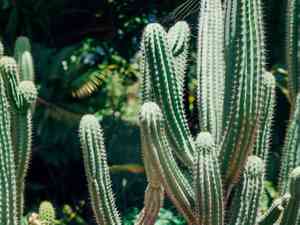
The commencement of the cultivation period, specifically the mild temperatures following winter, offers an ideal opportunity for relocating blue columnar cactus. Place it in an area that receives ample sunlight and possesses superior drainage. When transferring blue columnar cactus, proceed cautiously to safeguard its root structure.
What Preparations are Needed Before Transplanting Blue Columnar Cactus?
What is the Ideal Time for Transplanting Blue Columnar Cactus?
The arrival of warmer days, specifically the spring season, offers the perfect opportunity for relocating blue columnar cactus. During this period, the gentle increase in temperatures aids root establishment, enabling blue columnar cactus to flourish in its new spot. By selecting this season, you leverage the natural growth cycle of perennials, ensuring blue columnar cactus benefits from the entire growing season to strengthen before summer's heat. This timing provides blue columnar cactus the best chance for a smooth transition, utilizing mild weather and extended daylight, which promotes healthy root development.
How Much Space Should You Leave Between Blue Columnar Cactus Plants?
When moving blue columnar cactus, aim for a spacing of approximately 2-4 feet (0.6-1.2m) between each specimen. This provides ample room for proper development and prevents overcrowding of adjacent plants.
What is the Best Soil Mix for Blue Columnar Cactus Transplanting?
For blue columnar cactus, a rapidly draining soil mixture is essential. A cactus or succulent potting mix is ideal. Remember to incorporate some slow-release fertilizer to provide your plant with a nutritional boost!
Where Should You Relocate Your Blue Columnar Cactus?
Successful relocation of blue columnar cactus necessitates a site with full sun exposure. Ensure it receives at least 6 hours of direct sunlight daily. If kept indoors, position your cacti near a bright, sunny window.
What Equipments Should You Prepare Before Transplantation Blue Columnar Cactus?
Gardening Gloves
To shield your hands from sharp spines and rough soil.
Trowel
For excavating the plant from its initial position.
Spade
Necessary when the plant is large and possesses deep roots.
Pruning Shears
To trim any damaged roots or branches.
Gritty Soil Mix
Blue columnar cactus thrives in well-draining soil to prevent root rot.
Pot/Bucket
To temporarily hold the plant if immediate transplantation isn't possible.
Measuring Tape
To verify the hole's dimensions are suitable for the blue columnar cactus.
Plant labels or tags
To accurately identify your blue columnar cactus within your garden.
How Do You Remove Blue Columnar Cactus from the Soil?
How Do You Remove Blue Columnar Cactus from the Soil?
From Ground: Hydrate the blue columnar cactus a day or two prior to the planned relocation to make the soil easier to manage and lessen plant stress. Carefully use a spade to dig around the cactus, exposing the roots without causing harm. Ensure you dig sufficiently deep to keep most roots intact. Once loosened, gently lift the blue columnar cactus from the ground.From Pot: Again, watering the blue columnar cactus before the intended move is beneficial. Invert the pot while carefully supporting the plant, then gently tap the pot's edges to dislodge the blue columnar cactus and its root ball. If the plant is stuck, lightly squeeze the pot to loosen the internal soil and roots.From Seedling Tray: Water the seedlings beforehand to facilitate removal. Gently ease the blue columnar cactus out of its cell by pushing from the bottom. Be cautious not to harm the delicate young stem or roots.
Step-by-Step Guide for Transplanting Blue Columnar Cactus
Preparation
Water the blue columnar cactus a day before you intend to move it. This will lessen the shock of relocation for the plant.
Digging the Hole
The excavation should be deep enough to fully accommodate the root ball with extra space. Use a trowel or spade depending on the blue columnar cactus's size.
Placement & Backfill
Carefully position the blue columnar cactus in the hole, spreading its roots. Gradually add the gritty soil mix around the roots, gently firming until the hole is filled. The base of the blue columnar cactus should be level with the surrounding ground.
Watering
After transplanting, thoroughly water your blue columnar cactus to help the soil settle around the roots.
How Do You Care For Blue Columnar Cactus After Transplanting?
Initial Care
During the first few weeks post-transplant, be careful to prevent overexposure to direct sunlight, which can cause sunburn. Monitor the plant and shield it from extreme weather.
Watering
Although blue columnar cactus is drought-tolerant, consistent initial watering is crucial for the first few weeks to establish roots. Afterward, watering frequency can be reduced.
Pest & Disease Monitoring
Keep a close watch for pests and signs of disease that could harm the blue columnar cactus. Address any issues promptly as they arise.
Pruning
If you notice damage on the plant, prune it away to prevent disease spread. A healthier blue columnar cactus will grow in its place.
Feeding
After approximately one month, consider fertilizing your blue columnar cactus with a slow-release fertilizer, which is generally beneficial for all plants. Avoid high-nitrogen fertilizers that can lead to rapid, weak growth.
Troubleshooting Common Issues with Blue Columnar Cactus Transplantation.
When is the best time of the year to transplant a blue columnar cactus?
The optimal time to transplant a blue columnar cactus is during S1, as this provides the plant with the most favorable growing conditions.
What is the ideal spacing for blue columnar cactus when transplanting?
Blue columnar cactus should be spaced approximately 2-4 feet (around 61-122 cm) apart. This allows each plant ample room to grow without competition.
Why is my blue columnar cactus wilting after being transplanted?
Blue columnar cactus might be experiencing transplant shock, a common issue with relocated plants. Ensure it receives sufficient water and is initially protected from intense sun.
My blue columnar cactus seems to be growing slowly after transplantation, is this normal?
Yes, this is typical. Blue columnar cactus requires some time to adapt to its new environment. Ensure it gets enough water and sunlight for optimal development.
How deeply should I plant my blue columnar cactus when transplanting?
When relocating blue columnar cactus, it should be planted at the same depth it was growing in its previous spot. Incorrect depth can harm the plant.
Is it necessary to use a specific soil type when transplanting blue columnar cactus?
Blue columnar cactus prefers well-drained soil. Utilizing a sandy or loamy soil when transplanting this cactus can enhance its chances of thriving.
Why are the leaves of my transplanted blue columnar cactus turning yellow?
Yellow leaves could indicate overwatering or poor drainage. Ensure the plant's soil drains effectively and only water when the soil is dry.
How to handle a blue columnar cactus during transplantation without harming it?
Handle blue columnar cactus with care during transplantation to avoid damage. Wear gloves for protection and support the plant from its base during the move.
My transplanted blue columnar cactus has started to lean, what should I do?
Leaning might be due to insufficient light. Gradually adjust the plant's position so it receives balanced light. If needed, stake it for support.
What if my blue columnar cactus shows no signs of growth after transplantation?
Patience is key. Blue columnar cactus might be establishing its root system first. If after several weeks there's still no growth, check water, light, and soil conditions.



