How to Transplant Creeping charlie?
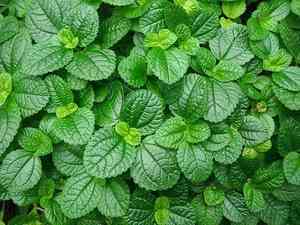
To achieve the best outcome, relocate creeping charlie during its vigorous growth period from late spring through early summer. This timing provides a combination of gentle environmental factors to minimize transplant stress. Select a site offering shade and soil that retains moisture well, which will aid creeping charlie's capacity to adjust.
What Preparations are Needed Before Transplanting Creeping Charlie?
What is the Ideal Time for Transplanting Creeping Charlie?
The best time to move creeping charlie is from late spring to early summer. During this period, mild temperatures and consistent moisture levels create an ideal environment for root establishment.
How Much Space Should You Leave Between Creeping Charlie Plants?
For new gardeners, when transplanting creeping charlie, ensure each plant has ample room to spread. Ideally, maintain a distance of 1-2 feet (30.5-61 cm) between each plant. This promotes healthier and bushier growth!
What is the Best Soil Mix for Creeping Charlie Transplanting?
To prepare for transplanting creeping charlie, you need well-drained soil rich in organic matter. A slow-release granular fertilizer can be mixed in to provide essential nutrients. Your plant will thrive in this environment!
Where Should You Relocate Your Creeping Charlie?
When choosing a new spot for creeping charlie, select a location that receives moderate sunlight throughout the day. A partially shaded, bright area is perfect to meet this plant's light requirements. Happy planting!
What Equipments Should You Prepare Before Transplantation Creeping Charlie?
Gardening Gloves
These protect your hands from potential harmful substances in the soil or from any prickly or sticky parts of the creeping charlie plant.
Garden Trowel
A small hand tool used for digging, applying, smoothing, or moving small amounts of material.
Shovel or Spade
Needed for digging the new planting hole and removing the creeping charlie plant from its original location.
Watering Can or Hose
To water the plant in its new location after transplanting.
Mulch
This helps to retain moisture in the plant's new location.
How Do You Remove Creeping Charlie from the Soil?
How Do You Remove Creeping Charlie from the Soil?
From Ground: Start by watering the creeping charlie plant to soften the soil, making it easier to dig up. Using a shovel or spade, dig a wide circle around the plant to include its entire root system. Then, carefully lift the plant from beneath its root ball, ensuring no damage to the roots.From Pot: Lightly water the plant to facilitate removal. Hold the creeping charlie plant at its base to avoid stem damage, tip the pot sideways, and gently pull the plant out. Be careful to prevent root system damage.From Seedling Tray: Moisten the soil, then gently hold the creeping charlie seedling by its leaves, not its stem, turn the tray sideways, and carefully ease the seedling out. If the root seems stuck, try pushing it from the bottom.
Step-by-Step Guide for Transplanting Creeping Charlie
Preparation
Before you begin, clear the new planting site of any weeds or stones to prevent competition with the creeping charlie plant's roots.
Digging a Hole
Use your spade or trowel to dig a hole as deep as the plant's root system and twice as wide. Make sure to loosen the soil at the bottom of the hole. This will allow the roots to penetrate the soil more easily.
Planting
Carefully place the creeping charlie plant in the hole, ensuring it's centered. The base of the plant should be level with the soil line. Fill in with soil around the roots and gently firm the plant by pressing down with your hands.
Watering
Water your creeping charlie plant thoroughly after transplanting. This helps to settle the soil around the roots and reduce transplant shock.
How Do You Care For Creeping Charlie After Transplanting?
Staking
If the creeping charlie plant appears unstable after transplanting, stake it to provide support until its roots become established.
Watering
After transplanting, creeping charlie requires consistent watering. The frequency depends on your climate, but the soil should never completely dry out. Reduce watering as the plant establishes itself.
Mulching
Applying mulch around the plant's base will help retain moisture and suppress weed growth.
Pruning
Removing any dead or diseased branches will help the creeping charlie plant direct its energy towards new growth.
Troubleshooting Common Issues with Creeping Charlie Transplantation.
What's the prime season for transplanting creeping charlie?
The most suitable season for relocating creeping charlie is between late spring and early autumn. This period allows the plant ample time to establish itself before winter.
What's the appropriate spacing when planting creeping charlie?
Give creeping charlie room to spread and grow. Aim for 1-2 feet (30-60 cm) of distance between each plant. This encourages healthier growth by improving air circulation and minimizing competition for nutrients.
How deep should the transplant hole be for creeping charlie?
Dig a hole that's twice the width and the same depth as the plant's root ball. This provides ample space for roots to spread and ensures the plant is neither too deep nor too shallow.
Should I water creeping charlie immediately after transplanting?
Absolutely! Watering creeping charlie immediately helps settle the soil around the plant's root system and reduces the risk of transplant shock.
What's the recommended soil type for transplanting creeping charlie?
Creeping charlie prefers well-drained soil rich in organic matter. If your soil is heavy clay or sandy, amend it with compost or well-rotted manure prior to planting.
How do I prepare creeping charlie for transplantation?
Before transplanting, water the creeping charlie generously a day or two earlier. This will make the process of removing and handling the plant easier and less stressful for both you and the plant.
What's the best time of day to transplant creeping charlie?
The best time to transplant creeping charlie is either early morning or late evening, when the sun isn't as intense. These conditions reduce the chances of wilting due to heat and sun stress.
Do I need to prune creeping charlie before transplanting?
While it's not necessary, lightly pruning creeping charlie can encourage healthier growth after transplanting. But remember, excessive pruning could cause unnecessary stress.
What should I do if creeping charlie shows signs of transplant shock?
Transplant shock is common and can be alleviated. Keep the plant well-watered but avoid overwatering. If possible, provide shade for a few days to reduce sun stress.
How do I know if creeping charlie has been successfully transplanted?
Monitor creeping charlie's new growth. If the plant starts producing new leaves and stems, you've successfully transplanted creeping charlie. If the plant shows signs of distress, review the transplanting steps and adjust as needed.



