How to Transplant Sitka spruce?
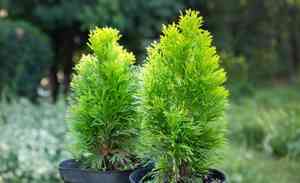
The ideal period for relocating sitka spruce is from the end of spring into the beginning of summer, allowing sufficient time for root development prior to the cold season. Select a cool, damp location that offers effective water runoff. Should it be necessary, enrich the earth with organic material to enhance its vigor.
What Preparations are Needed Before Transplanting Sitka Spruce?
What is the Ideal Time for Transplanting Sitka Spruce?
The optimal period for relocating sitka spruce is from late spring to early summer. This timeframe offers moderate temperatures, neither too hot nor too cold, which is perfect for root establishment without undue stress. Moving sitka spruce during this season takes advantage of the mild weather, ensuring a smooth transition as the soil retains the ideal warmth and moisture levels. By selecting this window, you foster sitka spruce's root development, enhancing its vitality for robust future growth. With gentle sunlight and perfectly conditioned soil, your sitka spruce has the best chance to flourish in its new spot.
How Much Space Should You Leave Between Sitka Spruce Plants?
When it's time to move your sitka spruce, remember they appreciate ample room! Plan to position each young tree approximately 10-15 feet (3-4.5 meters) apart. This spacing allows them to grow without competing for resources and ensures a thriving, vigorous garden.
What is the Best Soil Mix for Sitka Spruce Transplanting?
Your sitka spruce will thrive in soil that drains well, such as sandy or loamy types. Before planting, incorporate a nitrogen-rich base fertilizer to enrich the soil. This will supply vital nutrients and help your young plant develop strong and healthy.
Where Should You Relocate Your Sitka Spruce?
When searching for the perfect location, keep in mind that sitka spruce loves sunlight! Choose a spot that receives abundant direct sun, though it can tolerate some partial shade. The correct balance of sun and shade can contribute to a longer, healthier life for your plant.
What Equipments Should You Prepare Before Transplantation Sitka Spruce?
Gardening Gloves
To keep your hands clean and protected from harm while handling soil and plants.
Shovel or Spade
For digging and preparing the planting hole for the sitka spruce.
Pruning Shears
To trim and remove any excess or damaged parts of the sitka spruce.
Hose or Watering Can
Used for hydrating the sitka spruce during preparation and after its relocation.
Wheelbarrow
To move the sitka spruce from its original spot to its new destination.
Measuring Tape
To precisely gauge the depth and width of the hole you dig for the sitka spruce to match its root ball dimensions.
Mulch
To help maintain soil moisture and regulate temperature post-transplanting.
Stakes and Guy Wire
To help secure the sitka spruce after transplanting, especially in areas prone to wind.
How Do You Remove Sitka Spruce from the Soil?
How Do You Remove Sitka Spruce from the Soil?
From Ground: First, lightly water the sitka spruce to keep its roots moist. Next, use a shovel to dig a wide trench around the plant, ensuring the root ball remains largely intact. Gently work the spade beneath the root ball to detach the plant from the ground.From Pot: Initially, water the sitka spruce to facilitate easier soil removal. Turn the pot on its side, gently hold the plant by its stems, and tap the bottom of the pot to release the sitka spruce. If the plant is stuck, you might need to cut the pot away.From Seedling Tray: If the sitka spruce is in a seedling tray, water it first. Then, turn the tray sideways and gently tap it to loosen and extract the seedlings. Be careful to avoid harming the delicate roots.
Step-by-Step Guide for Transplanting Sitka Spruce
Root Preparation
Trim any damaged or excessively long roots from the sitka spruce. Then, soak the roots in water before planting to ensure they are adequately hydrated.
Hole Preparation
Dig a hole twice as wide and the same depth as the root ball. Make the sides of the hole sloped and keep the bottom level.
Planting
Place the sitka spruce into the hole. The top of the root ball should be even with or slightly above the surrounding soil surface. Gradually fill in the hole, firming the soil around the root ball as you proceed.
Stabilizing
If necessary, secure the sitka spruce with stakes and guy wires, particularly if the planting area is exposed to frequent winds.
Watering and Mulching
After planting the sitka spruce, water it thoroughly and then apply a layer of mulch around its base to help retain moisture.
How Do You Care For Sitka Spruce After Transplanting?
Watering
The sitka spruce requires regular watering after being transplanted. Ensure the soil stays consistently moist, but not waterlogged. You may need to adjust the watering frequency based on weather conditions.
Pruning
You can prune the sitka spruce tree to manage its form and encourage vigorous, healthy growth. Remember, extensive pruning immediately after planting should be avoided.
Guidance & Support
The newly-transplanted sitka spruce might need support in the form of stakes to help it establish. Periodically check the support system and adjust as needed to prevent damage to the tree.
Monitoring
Keep a close watch on the sitka spruce, especially for the first few weeks. Look for signs of stress, such as wilting foliage or a lack of new growth, which could indicate problems.
Troubleshooting Common Issues with Sitka Spruce Transplantation.
What is the best time to transplant sitka spruce?
The ideal time for transplanting sitka spruce is during the latter part of the growing season into its dormant period, essentially meaning the third and fourth seasons.
How much distance should I maintain between the sitka spruce plants when transplanting them?
For healthy development, ensure each sitka spruce is spaced 10 to 15 feet (3 to 4.5 meters) apart to provide ample room for the tree to spread its branches.
Why are my transplanted sitka spruce turning brown and what can I do about it?
Brown needles might be due to transplant shock. Improve watering practices and ensure the root ball is fully covered with soil to maintain moisture.
How much and how often should the sitka spruce be watered after transplanting?
Perform deep watering immediately after transplanting sitka spruce, then maintain regular watering at least once a week, ensuring the soil remains moist but not saturated.
Can sitka spruce tolerate frost after transplanting?
Sitka spruce is tolerant of frost, but ensure it's relatively established before the first freeze. After transplanting, provide ample water and mulch to insulate the roots.
Why has my transplanted sitka spruce stopped growing?
This could be due to root shock or insufficient nutrients. Consider applying a balanced fertilizer, but do so sparingly as sitka spruce doesn't require heavy feeding.
Why are the needles on my transplanted sitka spruce dropping?
Needle drop is natural for evergreens like sitka spruce. However, if it's severe, it could be due to watering issues, inadequate sunlight, or pest infestations. Address these problems promptly.
Should I prune my sitka spruce after transplanting?
Light pruning to remove dead or diseased branches is beneficial, but avoid heavy pruning until the sitka spruce is well established in its new location.
Why does my transplanted sitka spruce have yellow needles?
Yellow needles may indicate a nutrient deficiency, specifically nitrogen. Try applying a nitrogen-rich fertilizer, but be careful not to over-fertilize as it may cause other issues.
What type of soil best suits the sitka spruce after transplanting?
Sitka spruce prefers well-drained, acidic soil. If your soil is alkaline, you can amend it with organic matter or acidic fertilizers to boost its growth after transplanting.



