How to Transplant Red spruce?
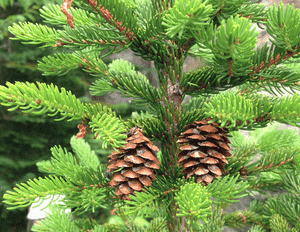
The ideal time to relocate red spruce is in the spring, as this season ensures root development prior to the warmth of summer. Select a cool, damp location with acidic earth, preserving red spruce's preference for these environments. Careful handling guarantees successful adaptation.
What Preparations are Needed Before Transplanting Red Spruce?
What is the Ideal Time for Transplanting Red Spruce?
The optimal period for moving red spruce is during its spring revival. This allows roots to settle in warm soil, promoting development. Selecting this timeframe guarantees robust health and vigor for red spruce.
How Much Space Should You Leave Between Red Spruce Plants?
For red spruce, ample room for development is crucial. Ideally, aim for a 15-20 feet (4.5-6 meters) separation between each plant to ensure proper growth and prevent overcrowding.
What is the Best Soil Mix for Red Spruce Transplanting?
For optimal outcomes, red spruce thrives in well-drained, acidic soil. A good method to prepare your soil involves blending standard garden soil with roughly equal parts of peat moss, which boosts soil acidity. As a foundational fertilizer, consider a slow-release granular product.
Where Should You Relocate Your Red Spruce?
Choose a spot with full sun exposure to partial shade for your red spruce. This means finding a location where the plant receives at least 4 hours of sunlight but no more than 6 hours daily.
What Equipments Should You Prepare Before Transplantation Red Spruce?
Gardening Gloves
To safeguard your hands while handling soil and the plant.
Digging Shovel
To excavate the hole for the transplanted red spruce and assist in its removal if relocating from the ground.
Pruning Shears or Scissors
In case any damaged or overgrown roots require trimming.
Bucket or Wheelbarrow
To move the red spruce from its initial spot to its new planting location.
Garden Hose or Watering Can
To hydrate the red spruce both prior to and following transplantation.
Mulch
To stabilize soil temperature and moisture levels around the newly transplanted red spruce.
How Do You Remove Red Spruce from the Soil?
How Do You Remove Red Spruce from the Soil?
From Ground: First, moisten the red spruce plant to dampen the soil. Next, excavate a wide trench around the plant with a shovel, ensuring the plant's root ball remains intact. Carefully work the shovel beneath the root ball to lift the plant from its original position.From Pot: First, water the pot until the soil is moist and water begins to drain from the bottom. Place your hand over the pot's top, with the red spruce's stem extending through your fingers, then gently invert the pot. Tap the bottom until the root ball slides out.From Seedling Tray: First, water the seedlings and allow them to settle. To extract individual red spruce seedlings, use a spoon or small tool to carefully lift the seedling without harming its roots and handle only by the leaves as the stems are still too delicate.
Step-by-Step Guide for Transplanting Red Spruce
Digging the Hole
Excavate a hole two to three times wider than the red spruce's root ball and as deep as the root ball. This provides ample space for roots to spread and grow.
Placing the Plant
Position the red spruce in the hole so the top of the root ball is level with the soil surface. Adjust the hole's depth, if necessary.
Backfilling the Hole
Refill the hole with the excavated soil, gently firming it around the root ball.
Watering
After planting, water thoroughly to settle the soil around the roots and eliminate air pockets.
Mulching
Apply a layer of mulch around the base of the red spruce, but not touching the stem, to conserve moisture and suppress weeds.
How Do You Care For Red Spruce After Transplanting?
Watering
Post-transplant, keep the soil moist but not saturated. Avoid excessive watering as this can lead to root rot.
Pruning
Use pruning shears to remove any dead or damaged branches after transplanting. This will encourage new growth.
Monitoring
Observe your newly transplanted red spruce closely. If it exhibits signs of distress (such as wilting, yellowing leaves, or slowed growth), it may require more water, less sun, or other care adjustments.
Patience
Remember that red spruce trees will need time to establish, so do not anticipate immediate growth. Instead, focus on maintaining the plant's health and well-being.
Troubleshooting Common Issues with Red Spruce Transplantation.
What's the perfect time to transplant red spruce?
The ideal period to transplant red spruce falls between early spring and late summer.
How much space should be between each red spruce when transplanting?
Ensure each red spruce has approximately 15-20 feet (4.5-6 meters) of space to promote healthy development.
Should the transplant hole be deeper than the red spruce's root ball?
Yes, dig a hole 1-2 inches (2.5-5 cm) deeper than the root ball and twice as wide for adequate root expansion.
How much water does red spruce need after transplanting?
After transplant, water the red spruce generously until it is thoroughly damp, but avoid waterlogging.
What type of soil is ideal for transplanting red spruce?
Red spruce thrives in well-drained, slightly acidic soil. Incorporating compost improves soil structure, ensuring successful transplantation.
Should I stake red spruce after transplanting?
Staking is generally not required, but if red spruce is tall and unstable, use it for support.
Why are the transplanted red spruce needles turning yellow?
Yellowing needles often signal water stress. Adjust your watering based on the plant's needs, avoiding both over and under-watering.
Do I need to fertilize red spruce after transplanting?
Refrain from fertilizing immediately after transplanting. Wait a few months to allow red spruce to acclimate to its new environment.
Why isn't my transplanted red spruce growing successfully?
Ensure correct planting depth, adequate water, and sunlight exposure. Improper transplantation can stress red spruce and hinder growth.
How do I protect my transplanted red spruce from pests?
Regular inspections, maintaining site cleanliness, and using organic pesticides can help protect your red spruce from pests and diseases.



