How to Transplant Serbian spruce?
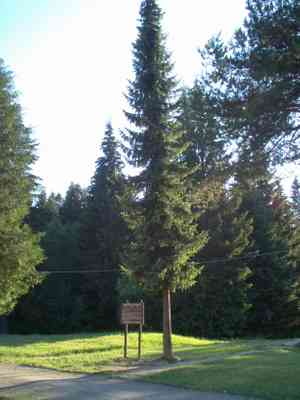
The ideal time to transplant serbian spruce is in the spring, allowing for strong root development before the summer heat. Choose a sunny location with soil that drains effectively. Tend to young trees diligently to ensure a smooth acclimation.
What Preparations are Needed Before Transplanting Serbian Spruce?
What is the Ideal Time for Transplanting Serbian Spruce?
The best time to move serbian spruce is in the spring. This period offers a perfect blend of mild weather and workable soil, crucial for root development. Moving serbian spruce now prepares them for summer strength, using spring's gentle warmth and sufficient rain to build a strong base. This timely action ensures roots grow deep and leaves flourish, making it a smart choice for gardeners aiming for resilient plants.
How Much Space Should You Leave Between Serbian Spruce Plants?
When relocating serbian spruce, provide each young tree ample room to flourish. An ideal spacing is approximately 15-20 feet (4.5-6 meters) apart. This spacing ensures each tree has sufficient area for growth and sunlight absorption.
What is the Best Soil Mix for Serbian Spruce Transplanting?
Preparing optimal soil for serbian spruce involves a well-draining, slightly acidic base. Combine garden soil with nutrient-rich organic compost for a suitable foundation. A balanced 'slow-release' fertilizer will provide a good start.
Where Should You Relocate Your Serbian Spruce?
Serbian spruce will thrive best in a spot with full or partial sun. If you live in a hot climate, choose a location that gets morning sun but is partly shaded in the afternoon to protect serbian spruce from intense heat.
What Equipments Should You Prepare Before Transplantation Serbian Spruce?
Gardening Gloves
Protect your hands while handling soil and serbian spruce.
Shovel or Spade
For digging holes and extracting serbian spruce from its original spot.
Pruning Shears
To trim the roots of serbian spruce in preparation for its move.
Garden Trowel
Useful for digging small holes and working soil around serbian spruce.
Watering Can
Proper hydration is vital for a successful transplant.
Wheelbarrow
To comfortably transport serbian spruce from one location to another.
How Do You Remove Serbian Spruce from the Soil?
How Do You Remove Serbian Spruce from the Soil?
From Ground: Start by thoroughly watering serbian spruce to moisten the soil around its roots. Then, dig around the plant with a shovel, leaving enough space to keep the root ball intact. Gently work the shovel under the root ball to lift the plant from the ground, minimizing root damage.From Pot: Begin by watering serbian spruce to ensure its soil is not dry and hard. Turn the pot on its side and tap it gently to loosen the root ball. Gently pull on the base of serbian spruce, aiming to keep the root ball as intact as possible while removing it from the pot.From Seedling Tray: Water the serbian spruce tray well before transplanting. Carefully push serbian spruce from beneath the tray using your fingers or a tool, ensuring not to harm the roots. Handle serbian spruce by its root ball, not by the stem or leaves.
Step-by-Step Guide for Transplanting Serbian Spruce
Sizing the Hole
The hole should be twice as wide and the same depth as the root ball of serbian spruce.
Placing the Plant
Position your serbian spruce in the center of the hole. The top of the root ball should be level with the surrounding soil.
Refilling the Hole
Backfill the hole using the same soil you removed, gently pressing it around the plant to eliminate air pockets.
Watering
Immediately after transplanting, thoroughly water your serbian spruce to settle the soil around the root ball. Ensure it receives a generous amount of water on the first day.
Staking
If serbian spruce needs support, use two stakes placed on either side of the tree and tie loosely to allow movement but prevent it from falling over.
How Do You Care For Serbian Spruce After Transplanting?
Watering
Consistent but careful watering is essential, especially in the first few weeks after transplant. Keep the soil moist but not waterlogged.
Pruning
There's no immediate need for pruning after transplanting. Allow serbian spruce to establish itself first. Only prune dead or damaged branches to aid in the plant's recovery.
Monitoring
Keep a close watch on your serbian spruce during its adjustment period. Look for signs of wilting or discoloration, and address any issues promptly.
Pest Control
Monitor your serbian spruce for any signs of pest activity. Using a mild, non-toxic pesticide can help prevent infestations.
Troubleshooting Common Issues with Serbian Spruce Transplantation.
When is the best time to transplant serbian spruce?
The ideal season for transplanting serbian spruce is during the cooler months, specifically seasons 1-3.
How far apart should I plant serbian spruce?
For optimal growth, serbian spruce should be planted 15-20 feet (4.6-6.1 meters) apart.
What to do if serbian spruce shows signs of wilting after being transplanted?
Wilting can indicate transplant shock. Minimize this by keeping serbian spruce adequately watered and removing any damaged or dead branches.
What kind of soil is best for transplanting serbian spruce?
Serbian spruce prefers well-drained, acidic to neutral soil. Try to mimic its natural soil conditions as closely as possible for best results.
Do I need to prune serbian spruce after transplanting?
Upon transplanting serbian spruce, only remove dead or broken branches. Extensive pruning can cause additional stress to the plant.
How deep should the hole be for transplanting serbian spruce?
Dig a hole twice the diameter of the root ball, and just as deep. This provides ample space for roots to establish.
Should I fertilize serbian spruce immediately after transplanting?
It's best to wait until the next growing season to fertilize serbian spruce. This allows the plant to recover from transplant shock.
How much water does serbian spruce need after being transplanted?
Water serbian spruce thoroughly after transplanting. Continue to water it regularly, but avoid over-watering. Its soil should remain moist, not soggy.
What is the optimal sunlight exposure for serbian spruce after transplanting?
Serbian spruce thrives in full sun to partial shade. Adjust its planting location accordingly to ensure it receives sufficient sunlight.
What if the transplanted serbian spruce does not show new growth?
If serbian spruce doesn't show new growth within a few weeks, it might be experiencing transplant shock. Ensure proper watering, sunlight, and soil conditions.



