How to Transplant Black spruce?
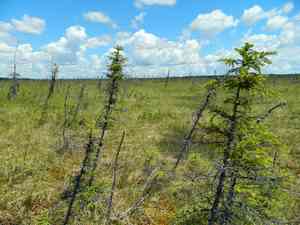
For Picea mariana, the onset of the growing periodâfrom late spring through early summerâis optimal, facilitating successful rooting prior to the cold season. Select a site with damp, acidic soil, offering shade, and ensure the root mass remains undisturbed to promote firm anchorage.
What Preparations are Needed Before Transplanting Black Spruce?
What is the Ideal Time for Transplanting Black Spruce?
The optimal period for relocating black spruce is from late spring to early summer. This timeframe provides moderate temperatures and soil conditions conducive to robust root development, avoiding the stress of peak summer heat. Moving black spruce during this window promotes excellent growth, as increased daylight and warmth aid in recovery and adaptation. Additionally, typical seasonal rainfall assists the transplants in settling and flourishing. Utilize this timing to give your black spruce the best start in its new environment!
How Much Space Should You Leave Between Black Spruce Plants?
Excellent news! Black spruce offers ample room for expansion. Maintain a separation of approximately 10-15 feet (3-4.5 meters) between each plant for optimal development. This ensures every plant has sufficient area to grow healthily.
What is the Best Soil Mix for Black Spruce Transplanting?
For black spruce, a well-drained, acidic soil is most suitable. Prepare the soil with a foundational fertilizer containing organic matter. Utilizing well-decomposed compost or manure will suffice! This preparation can supply nutrients and enhance soil structure.
Where Should You Relocate Your Black Spruce?
When selecting a site for your black spruce, seek out a location that receives full to partial sunlight. However, this spruce is quite resilient and can endure various light conditions. So, don't be too discouraged if your yard doesn't get a lot of sun!
What Equipments Should You Prepare Before Transplantation Black Spruce?
Gardening Gloves
To safeguard your hands while handling soil and black spruce.
Shovel
For excavating the planting hole and extracting the black spruce from its initial spot. A flat-edged shovel is most effective for transplanting.
Pot (if applicable)
If moving from a container, you'll need it to transport the plant securely.
Transplanting Trowel
A smaller implement that will assist in carefully removing black spruce from the seedling tray.
Garden Hose
To gently irrigate the black spruce before and after relocation.
Mulch
To help maintain soil moisture around the black spruce, minimize weed growth, and regulate soil temperature.
How Do You Remove Black Spruce from the Soil?
How Do You Remove Black Spruce from the Soil?
From Ground: First, thoroughly water the black spruce to moisten the soil surrounding its root ball. Next, dig a wide circle around the plant with a shovel, being careful not to harm the plant's root system. Gently slide your shovel beneath the root ball and carefully lift the plant from its original position.From Pot: Water the black spruce well before transferring. Tilt the pot sideways, grasp the plant's base, and gently pull the pot away. If the plant is stuck, tap the pot's base to loosen the root ball.From Seedling Tray: Moisten the soil in the tray and use a transplanting trowel to scoop out each black spruce seedling, ensuring to extract its entire root system.
Step-by-Step Guide for Transplanting Black Spruce
Digging the Hole
The excavation should be twice as wide and slightly deeper than the black spruce's root ball. This facilitates easier root expansion.
Plant Placement
Position the black spruce in the center of the hole. Verify that the top of its root ball is level with or slightly below the surrounding soil.
Backfilling
Refill the hole with the excavated soil, gently firming it around the base of the black spruce to ensure stability. Avoid mounding soil on top of the root ball or stem.
Watering
Thoroughly water the black spruce after planting. This aids in settling the soil and eliminating air pockets.
Mulching
Apply a thin layer of mulch around the black spruce, leaving a small gap around the stem to prevent rot.
How Do You Care For Black Spruce After Transplanting?
Watering
Regularly irrigate the black spruce for the initial weeks following transplantation. This is vital for helping the plant establish itself in its new location.
Inspection
Closely observe the black spruce for any indications of stress such as wilting, browning, or leaf drop. If any of these occur, adjust watering as needed and consider seeking advice from a local nursery or horticultural service.
Pruning
Refrain from any significant pruning of the black spruce during its first year in the new location. This allows the plant to focus its energy on developing a strong new root system.
Protection
In severe weather conditions, consider utilizing a tree guard or similar safeguard for your black spruce to help it withstand the elements.
Troubleshooting Common Issues with Black Spruce Transplantation.
When's the best time to transplant black spruce?
The optimal transplanting period for black spruce is during late summer to early autumn (S3-S4). This allows the plant to acclimate before winter's harsh conditions.
What spacing should be maintained between black spruce plants?
For optimal growth of black spruce, maintain a distance of approximately 10-15 feet (3-4.5 meters) between each plant. This ensures they have sufficient room to grow.
What to do if my transplanted black spruce appears to be wilting?
A wilting black spruce post-transplant could indicate shock. Ensure it's adequately watered and placed in a spot offering enough light but without harsh sunlight.
How much sunlight does black spruce need after being moved?
Black spruce thrives in full to partial sunlight. However, immediately after transplanting, provide it partial shade to prevent transplant shock caused by excessive sunlight.
What kind of soil is best for transplanting black spruce?
Black spruce prefers a well-draining but moist, acidic soil. You can use a mixture of peat, sand, and compost to create ideal conditions.
What type of watering regime is suitable for a transplanted black spruce?
Regular watering is essential for a newly transplanted black spruce. However, ensure the water drains well to prevent root rot due to waterlogging.
How soon should I fertilize black spruce after transplanting?
Wait for 2-3 months post-transplant before starting to fertilize black spruce. This allows it to get established without experiencing nutrient overload.
Why are the leaves of my transplanted black spruce turning brown?
Brown leaves can indicate insufficient watering, exposure to harsh weather, or soil lacking necessary nutrients. Check these aspects and make corrections as needed.
Can I prune black spruce immediately after transplanting?
Avoid pruning black spruce immediately after transplanting. Let it settle in first. Once new growth appears, you can start selective pruning for shaping it.
How do I handle rootball while transplanting black spruce?
Be gentle with the rootball during transplantation. Try to keep it intact as much as possible to minimize stress and enhance recovery rate in black spruce.



