How to Transplant Obedient plant?
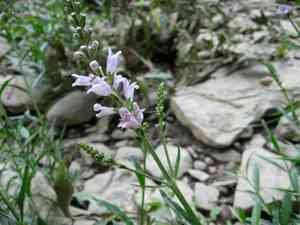
The optimal period for relocating obedient plant spans from the close of summer to the middle of autumn, enabling the specimen to develop robust root systems prior to the colder months. Select a site that receives full sun or partial shade and features soil with good drainage. Bear in mind, a delicate approach is essential when managing the fragile roots of obedient plant.
What Preparations are Needed Before Transplanting Obedient Plant?
What is the Ideal Time for Transplanting Obedient Plant?
The optimal period to relocate obedient plant is from late summer through mid-autumn. This timeframe allows the plant an excellent chance to develop a robust root system prior to winter. Moving it during this favorable season sets obedient plant on a path for vigorous growth in your garden.
How Much Space Should You Leave Between Obedient Plant Plants?
For obedient plant, provide ample room for growth as they can become quite dense; aim for approximately 12-18 inches (30-45 cm) of separation between each plant when transplanting.
What is the Best Soil Mix for Obedient Plant Transplanting?
For healthy obedient plant development, prepare the soil by incorporating well-draining organic material, such as compost or aged manure. Include a balanced, slow-release base fertilizer to supply essential nutrients.
Where Should You Relocate Your Obedient Plant?
Obedient plant prefers a spot with full sun to partial shade, ideally receiving at least 6 hours of daily sunlight. Just ensure the location avoids intense afternoon sun to minimize plant stress.
What Equipments Should You Prepare Before Transplantation Obedient Plant?
Gardening Gloves
To safeguard your hands while working with the soil and obedient plant.
Shovel or Hand Trowel
To excavate soil around the plant and create an appropriately sized hole at the new site. Ensure tools are clean to prevent disease spread.
Pruning Shears
For trimming obedient plant roots or branches if necessary, ensuring they are sharp to prevent plant damage.
Watering Can or Hose
To hydrate the soil before and after transplanting, which is crucial for the plant's survival.
Wheelbarrow or Container
To move the obedient plant from its original spot to the new planting location. A container can also collect any soil that dislodges when digging up the plant.
Gardening Fork
For gently loosening the soil around the obedient plantâs roots. It is less likely to harm roots compared to a shovel.
How Do You Remove Obedient Plant from the Soil?
How Do You Remove Obedient Plant from the Soil?
From Ground: Start by watering the obedient plant to moisten the earth. Dig a wide circle around the plant with your shovel or gardening fork, being careful not to harm the root system. Gradually work your tool beneath the root ball and gently lift the plant from the ground. Try to retain as much original soil clinging to the roots as possible.From Pot: Water the obedient plant before you begin. Invert the pot or turn it on its side, then gently tap or squeeze it to loosen the soil and roots. Slide the plant out, carefully supporting it by the base and not the stems. You might need a thin-bladed tool, like a butter knife, to separate the plantâs roots or stem from the pot if it's stuck.From Seedling Tray: If the obedient plant is in a tray, use a dibber or similar tool to carefully pry the plant from its cell. Insert the tool into the compost at the cell's edge and lever it upwards. Hold the seedling by a leaf if possible, not by the stem, which is easily damaged.
Step-by-Step Guide for Transplanting Obedient Plant
Prepare New Hole
Dig a hole at the new site approximately twice as wide and equally deep as the obedient plant's root system. Loosen the soil at the bottom of the hole with your gardening fork.
Insert Plant
Position the obedient plant in the center of the hole. Adjust the depth by adding or removing soil at the bottom until the root collar (where roots meet the stem) is level with the surface.
Backfill the Hole
Gently refill the hole with soil, lightly tamping to secure the plant and eliminate large air pockets in the soil. Ensure the plant is not buried deeper than its original planting depth.
Watering
After transplanting, thoroughly water the obedient plant. This will settle the soil around the roots and aid the plant in its new environment.
How Do You Care For Obedient Plant After Transplanting?
Monitoring
Observe the obedient plant for several weeks post-transplant. Look for indications of transplant shock such as wilting, yellowing, or leaf loss, and take corrective measures if necessary.
Irrigation
Check soil moisture levels daily. When the top 1-2 inches of soil feel dry, water thoroughly until moist. Avoid over-watering to prevent root rot.
Pruning
Remove any dead or damaged leaves after transplant to conserve the obedient plant's resources.
Protection
Shield the transplanted obedient plant from harsh weather like strong winds or excessive sun for a few days following the transplant.
Troubleshooting Common Issues with Obedient Plant Transplantation.
When is the best time of year to transplant obedient plant?
The ideal time of year for relocating obedient plant is late summer to mid-fall. Focusing on this period will give the plant a good chance to establish successfully.
What spacing should I maintain between obedient plant plants during transplanting?
Remember to provide each obedient plant ample room to flourish! Proper spacing, about 12-18 inches, or 30-45cm, is optimal for healthy growth.
Why are the leaves of my obedient plant turning yellow after transplanting?
Yellowing foliage could signal overwatering or inadequate drainage. Ensure the soil drains well and prevent obedient plant from sitting in water.
What kind of soil should I use for the transplanting of obedient plant?
Obedient plant prefers well-drained soil, rich in organic matter. Ensure the soil pH ranges from neutral to slightly alkaline for optimal growth.
Do I need to fertilize obedient plant after transplantation?
Yes, applying a slow-release, balanced fertilizer after transplanting can help obedient plant establish quicker and promote healthier growth.
What is the ideal depth to plant obedient plant during transplanting?
When transplanting, ensure the hole is twice the size of the root ball. The obedient plant should be planted at the same depth it was previously growing.
Why are the leaves of my obedient plant wilting after transplanting?
Wilting could be a symptom of transplant shock. Keep the soil consistently moist after transplanting and reduce sun exposure until obedient plant recovers.
What kind of light conditions do obedient plant need after transplanting?
Obedient plant thrives best in full sun to partial shade. Providing sufficient light after transplanting will ensure vigorous, healthy growth.
How much should I water obedient plant after transplantation?
Adequate but not excessive watering is crucial. Ensure the soil is consistently moist, but avoid making it soggy as this can lead to root rot.
Should I trim obedient plant before or after transplanting?
Trimming isn't mandatory, but pruning back any dead or overgrown stems immediately after transplanting can help obedient plant direct its energy towards root development.



