How to Transplant Common ninebark?
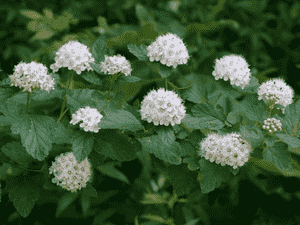
Relocate common ninebark in the invigorating period of early spring, enabling the specimen to anchor its root system prior to the onset of summer warmth. Select a site providing adequately draining earth and exposure ranging from partial to full sunlight. Carefully disentangle the root mass during the transfer, and guarantee optimal development.
What Preparations are Needed Before Transplanting Common Ninebark?
What is the Ideal Time for Transplanting Common Ninebark?
The optimal period to relocate your common ninebark is when new shoots begin to form, typically in early spring. Moving it at this time allows ample opportunity for root establishment, promoting robust growth and flowering. Establishing a flourishing landscape with common ninebark during this season can offer a picturesque view throughout the summer.
How Much Space Should You Leave Between Common Ninebark Plants?
When relocating common ninebark, ensure a spacing of approximately 6-10 feet (1.8-3 meters) between them. This provides each plant sufficient room to develop and spread, guaranteeing a vibrant and attractive display.
What is the Best Soil Mix for Common Ninebark Transplanting?
Prior to relocating common ninebark, select a soil that drains well and is rich in organic matter. Incorporating compost or aged manure into the planting hole can give the plants an excellent start. A balanced, slow-release fertilizer will also benefit the plants.
Where Should You Relocate Your Common Ninebark?
For optimal outcomes, position common ninebark in an area that receives full sun to partial shade. This translates to at least 4-6 hours of direct sunlight daily. Avoid placing them in deep shade, as this may impede their development and overall appearance.
What Equipments Should You Prepare Before Transplantation Common Ninebark?
Gardening Gloves
To safeguard your hands during the process, especially when handling the root mass and soil.
Quality Spade or Shovel
For excavating the hole in the ground at the new planting site and extracting the plant from its original position.
Trowel
A smaller implement useful for digging out the plant if it was housed in a pot or seedling tray.
Watering Can
For hydrating the plant both before and after relocating common ninebark.
Organic Mulch
To regulate soil temperature after relocation and aid in retaining soil moisture.
Sturdy Stake
To offer support to common ninebark during the initial phase of relocation and prevent the plant from toppling.
How Do You Remove Common Ninebark from the Soil?
How Do You Remove Common Ninebark from the Soil?
From Ground: To extract common ninebark from the ground, first moisten the soil with water to facilitate removal. Dig a wide circle around the plant using a spade, taking care not to harm the root ball. Working carefully, begin to work the spade beneath the root ball, gently lifting the plant out.From Pot: If common ninebark is in a pot, water it lightly to ease removal, then invert the pot while supporting the plant at the base with your other hand. If it doesnât slide out easily, run a trowel or knife around the inner edge of the pot to loosen the root ball.From Seedling Tray: When relocating from a seedling tray, loosen the soil around common ninebark using a trowel, then lift it out by the leaves or the root ball, never by the stem, which is still delicate. Be careful to preserve as much of the root system as possible.
Step-by-Step Guide for Transplanting Common Ninebark
Rehydrating
Before commencing the relocation process, thoroughly water the common ninebark plant in its initial location to minimize stress.
Digging and Preparing the Hole
At the new site, excavate a hole that is twice as wide and equally as deep as the root ball of common ninebark. This ensures ample space for the roots to spread.
Gently Inserting common ninebark
Carefully place the plant into the hole, ensuring it stands at the same depth as it was in its original spot. The top of the root ball should be level with the ground.
Backfill the Hole
Refill the hole with excavated soil or a quality soil-compost mixture. Firmly press the soil around the base of common ninebark to ensure it remains upright.
Water Thoroughly
Immediately after relocating, water common ninebark generously, saturating the soil within the hole until the water level reaches the ground surface.
Staking
If common ninebark requires support, stake it. Ensure that the stake is not damaging any root or stem.
How Do You Care For Common Ninebark After Transplanting?
Observation
Monitor the common ninebark for a few weeks following the relocation. Indications of transplant shock, such as wilting, yellowing, or dropped leaves, should be addressed promptly.
Regular Watering
Water common ninebark consistently, aiming to keep the soil uniformly moist, but ensure it does not become waterlogged or soggy.
Mulching
Apply a layer of organic mulch around the plant's base. This can help the soil retain moisture and also inhibit weed growth.
Pruning
You can prune common ninebark during its dormant period to encourage a desirable shape and vigorous growth for the upcoming season. However, avoid extensive pruning in the first year after relocation.
Troubleshooting Common Issues with Common Ninebark Transplantation.
When is the best period in the year to transplant common ninebark?
The most opportune time to relocate common ninebark is at the onset of spring. This phase of early development aids in its rapid establishment.
What is the optimal distance one should consider when transplanting common ninebark?
When relocating common ninebark, maintain a separation of 6-10 feet (1.8-3 meters) between plants. This provides them sufficient room to grow and thrive.
What are the crucial steps for preparing the new transplant site for common ninebark?
First, ensure the new location has well-draining soil. Next, dig a hole approximately twice the size of common ninebark's root ball. Also, enrich your soil with organic matter if necessary.
What should we do if common ninebark is not showing new growth after being transplanted?
Patience is essential with common ninebark. If you observe no new growth, ensure it receives adequate water and sunlight. If no improvement, consider a soil analysis for underlying issues.
How much should I water common ninebark after transplantation?
Immediately after relocation, water common ninebark thoroughly, saturating the root ball. Subsequently, ensure consistent watering but avoid over-watering to prevent rot.
What can I do if the leaves of my transplanted common ninebark start to wilt?
A frequent cause of wilting is transplant shock. Keep the soil moist, provide shade if feasible, and refrain from fertilizing until common ninebark recovers.
Can I transplant common ninebark in a pot?
Common ninebark can certainly be relocated into a pot. Ensure the container is sufficiently large and has good drainage to maintain common ninebark's health.
How should I handle common ninebark's rootball during transplanting?
Handle common ninebark's rootball with extreme care to prevent root damage. If possible, try to keep the surrounding soil attached to the rootball.
Can I prune common ninebark during transplantation and how much?
Trimming back common ninebark slightly at the time of relocation can reduce stress on the plant and promote better root establishment. However, avoid aggressive pruning.
Why are the leaves of my transplanted common ninebark turning yellow?
Yellowing leaves could indicate overwatering, transplant shock, or nutrient deficiency. Check your watering routine first, and consider a soil test if the problem persists.



