How to Transplant Tomatillo?
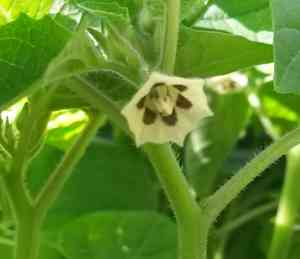
To achieve vigorous development, relocate tomatillo during the warmer period of late spring through early summer. Select a location that receives ample sunlight and possesses soil with good drainage. Gradually introduce tomatillo to external environments to avoid stress, facilitating a smooth move to its final planting site.
What Preparations are Needed Before Transplanting Tomatillo?
What is the Ideal Time for Transplanting Tomatillo?
The perfect time for moving your tomatillo is from mid-spring to early summer. This period offers gentle warmth and stable growing conditions, ideal for root establishment. Transplanting during this window leverages optimal temperatures and increasing daylight, significantly boosting the success of your tomatillo taking root and thriving. Embrace this nurturing season for a plentiful tomatillo harvest.
How Much Space Should You Leave Between Tomatillo Plants?
When arranging your garden, ensure tomatillo plants are spaced approximately 1-1.5 feet (30-45 cm) apart. This provides ample room for robust growth without nutrient competition. Optimal spacing leads to an excellent yield!
What is the Best Soil Mix for Tomatillo Transplanting?
For tomatillo, well-drained soil enriched with organic matter or compost works wonderfully. A foundational fertilizer, such as a balanced slow-release type, can greatly enhance their growth. Soil preparation is like setting the stage for success!
Where Should You Relocate Your Tomatillo?
Your tomatillo loves sunshine! A location receiving full sunlight (6+ hours of direct light daily) is ideal for them. Sunlight powers their growth; remember, maximum sunlight is best!
What Equipments Should You Prepare Before Transplantation Tomatillo?
Gardening Gloves
To safeguard your hands while handling soil and the tomatillo plant.
Shovel or Spade
For excavating the plant or creating a hole at the new planting site.
Hydrogel
A water-absorbing compound to prevent root desiccation during the transplanting process.
Garden Trowel
A small hand tool utilized for relocating the tomatillo to its new spot.
Watering Can
To gently hydrate the plant before and after its relocation.
Organic Mulch
To aid in retaining soil moisture and suppressing weeds around the tomatillo.
Stakes and Plant Ties
To offer structural support to the tomatillo plant, if required.
How Do You Remove Tomatillo from the Soil?
How Do You Remove Tomatillo from the Soil?
From Ground: Start by watering the tomatillo plant to moisten the soil. Carefully dig a wide trench around it with a spade or shovel, ensuring the root ball remains intact. Gently work the spade beneath the root ball, carefully lifting the plant from its original spot.From Pot: Thoroughly water the tomatillo plant, then turn the pot on its side, and gently tap it to loosen the soil and plant. Hold it by the base and carefully extract it, aiming to keep the root ball and surrounding soil undisturbed.From Seedling Tray: Water the seedlings thoroughly. Use a small gardening tool or even a spoon to carefully scoop out the seedling, making sure to retain as much original soil as possible and avoid damaging the delicate roots.
Step-by-Step Guide for Transplanting Tomatillo
Prepare New Location
Dig a hole at the new site, roughly twice the size of the tomatillo's root ball.
Transplant
Position the tomatillo in the center of the hole. The top of the root ball should be flush with the soil surface.
Backfill
Carefully refill the hole, gently firming the soil around the roots. Avoid placing soil directly on top of the root ball.
Water
Thoroughly water the tomatillo after planting. This helps settle the soil around the roots and minimizes transplant shock.
Mulch
Apply a layer of organic mulch around the tomatillo, keeping it away from the stem to reduce water loss and inhibit weed growth.
How Do You Care For Tomatillo After Transplanting?
Consistent Watering
The tomatillo needs regular watering, especially post-transplant. Monitor the soil to ensure it stays moist but not waterlogged.
Plant Support
If the tomatillo is a tall-growing variety, provide support using stakes and plant ties to prevent it from falling or breaking.
Monitoring for Pests and Diseases
Keep an eye on the tomatillo for any signs of pests or diseases. If observed, address them promptly.
Troubleshooting Common Issues with Tomatillo Transplantation.
When is the best time to transplant tomatillo?
The optimal period to transplant tomatillo is during the S2-S4 season. This typically spans from late spring to early fall.
What is the proper spacing when transplanting tomatillo?
Appropriate spacing for tomatillo is vital. Ensure they are planted about 1-1.5 feet apart, which is roughly 30-45 cm. Proper spacing encourages healthier growth.
How much water does tomatillo need after transplanting?
After transplanting, provide tomatillo with ample water. However, avoid overwatering as it can lead to root rot. Balance is key.
Should tomatillo be transplanted under full sun or partial shade?
Tomatillo thrives best in full sunlight. Ensure the transplant location receives at least 6 hours of daily sunlight for optimal growth.
Why are my transplanted tomatillo wilting?
Wilting after transplantation can be due to transplant shock. Ensure tomatillo is not exposed to extreme temperatures and receives sufficient water.
What type of soil is best when transplanting tomatillo?
Tomatillo prefers well-draining soil. Enrich the soil with compost or organic matter to enhance its texture and nutrient content.
What depth should tomatillo be planted when transplanting?
Plant tomatillo at a depth similar to its original growing conditions. A wider hole is better, allowing roots to spread easily.
How do I handle tomatillo during transplantation to minimize shock?
Avoid damaging the roots during transplantation. Perform it in cooler weather and water immediately after transplanting to minimize shock in tomatillo.
My transplanted tomatillo leaves are turning yellow. Why?
Yellowing leaves could indicate overwatering or poor drainage. Ensure the soil drains well and closely monitor your watering practices.
What considerations should I take for tomatillo if transplanting in a pot?
When transplanting tomatillo in a pot, ensure it's deep enough for the roots to spread. Use well-draining soil and place the pot in a sunny location.



