How to Transplant Sulphur bamboo?
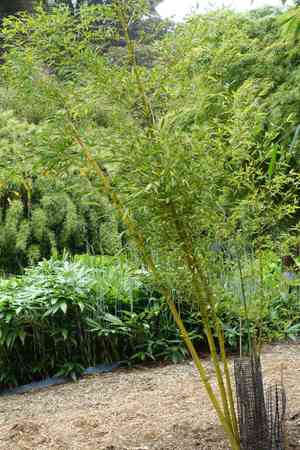
Sulphur bamboo flourishes when relocated from mid-spring to late spring or from late autumn to early winter, owing to moderate temperatures. Provide a bright or partially shaded spot with soil that drains effectively. Should it be necessary, carefully trim the roots to stimulate development.
What Preparations are Needed Before Transplanting Sulphur Bamboo?
What is the Ideal Time for Transplanting Sulphur Bamboo?
The best periods for relocating sulphur bamboo are from mid to late spring and from late autumn to early winter. These seasons provide mild temperatures and adequate soil moisture, enabling roots to settle before summer heat or ground frost. Moving plants during these windows boosts survival rates and promotes robust development, leading to a healthier, more resilient plant.
How Much Space Should You Leave Between Sulphur Bamboo Plants?
When relocating sulphur bamboo, ensure each bamboo plant is spaced 3-5 feet (0.9-1.5 meters) apart. This provides ample room for root expansion and foliage growth, supporting healthy development.
What is the Best Soil Mix for Sulphur Bamboo Transplanting?
Prepare a well-draining, slightly acidic to neutral soil with a pH of 6.0-7.0 for sulphur bamboo. Incorporate some well-decomposed compost or a balanced base fertilizer to supply essential nutrients for its initial establishment.
Where Should You Relocate Your Sulphur Bamboo?
Select a site for sulphur bamboo that receives full sun to partial shade. Ideally, it should get at least 6 hours of sunlight daily, as this encourages vigorous growth and vibrant coloration.
What Equipments Should You Prepare Before Transplantation Sulphur Bamboo?
Gardening Gloves
To safeguard your hands while handling soil and plants.
Shovel or Spade
Crucial for digging and extracting the plant from its initial spot.
Garden Fork
To loosen the soil around the plant, especially useful for removing from ground or thickly rooted pots.
Watering Can or Hose
For hydrating the plant before and after its relocation.
Pruning Shears
To trim any damaged or dead roots prior to replanting.
Wheelbarrow
To move the plant from its original position to the new site.
How Do You Remove Sulphur Bamboo from the Soil?
How Do You Remove Sulphur Bamboo from the Soil?
From Ground: First, moisten the sulphur bamboo plant to dampen the soil. Then, excavate a wide trench around the plant using a shovel or spade, ensuring the plant's root ball remains intact. Carefully work the spade beneath the root ball to lift the plant from its original location.From Pot: Gently water the sulphur bamboo plant to loosen the soil. Turn the pot on its side and tap the edges to free the root ball. Carefully slide the plant out, supporting the base to prevent root damage.From Seedling Tray: Water the sulphur bamboo seedling tray to ensure the soil is damp. Use a small tool like a garden fork to gently lift the seedling, taking care to keep the roots intact during removal.
Step-by-Step Guide for Transplanting Sulphur Bamboo
Plant Preparation
Thoroughly water the sulphur bamboo plant a day before transplanting to ensure the roots are well-hydrated.
Digging the Hole
Excavate a hole in the new location that is twice as wide and equally deep as the root ball. This allows the roots to spread easily and establish themselves.
Positioning the Plant
Place the sulphur bamboo plant in the center of the hole. Ensure the top of the root ball is level with or slightly above the surrounding soil to prevent water accumulation.
Backfilling
Fill the hole with soil, gently firming it around the root ball. Be careful not to compact the soil too much, as this can hinder root growth.
Watering Again
Immediately water the transplanted sulphur bamboo plant thoroughly to settle the soil and eliminate any air pockets around the roots.
How Do You Care For Sulphur Bamboo After Transplanting?
Watering
Keep the soil around the sulphur bamboo consistently moist, but not waterlogged, for the initial few weeks after transplanting to help establish strong roots.
Mulching
Apply a layer of mulch around the base of the sulphur bamboo plant to retain moisture and regulate soil temperature.
Monitoring
Regularly inspect the plant for signs of stress, such as wilting or yellowing leaves, and adjust watering as needed.
Staking
If the transplanted sulphur bamboo plant is tall or top-heavy, consider staking it to provide additional support until it is firmly established.
Troubleshooting Common Issues with Sulphur Bamboo Transplantation.
When is the best time to transplant sulphur bamboo?
Mid to late spring or late fall to early winter for optimal results.
How much space should I leave between sulphur bamboo plants?
Space sulphur bamboo plants 3-5 feet (0.9-1.5 meters) apart for healthy growth.
What type of soil is best for transplanting sulphur bamboo?
Well-draining, loamy soil with organic matter is ideal for sulphur bamboo.
How do I prepare the soil before transplanting sulphur bamboo?
Mix organic compost into the soil to improve drainage and nutrient content for sulphur bamboo.
What should I do immediately after transplanting sulphur bamboo?
Water thoroughly to help sulphur bamboo establish roots in its new location.
How should I handle the roots when transplanting sulphur bamboo?
Gently untangle root-bound roots and trim any damaged parts to encourage new growth.
How deep should I plant sulphur bamboo?
Plant sulphur bamboo at the same depth it was in its original location; avoid planting too deep.
What is a common sign of transplant shock in sulphur bamboo?
Wilting leaves and slowed growth are typical signs of transplant shock in sulphur bamboo.
How can I minimize transplant shock for sulphur bamboo?
Keep soil consistently moist and avoid extreme temperature changes to reduce transplant shock.
Should I fertilize sulphur bamboo after transplanting?
Wait 4-6 weeks before fertilizing to allow sulphur bamboo to settle into its new environment.



