How to Transplant Black bamboo?
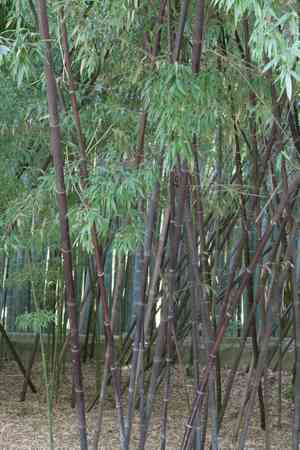
The optimal period for transplanting black bamboo spans from the warmth of late spring to the mild temperatures of early autumn, allowing roots to settle in moderate ground. Select a sunny location offering sufficient room for development. Bear in mind, careful root manipulation facilitates a seamless adjustment.
What Preparations are Needed Before Relocating Black Bamboo?
What is the Ideal Time for Relocating Black Bamboo?
The most favorable period for moving black bamboo is during the mild warmth of late spring through early autumn. This aligns with the plant's natural growth cycle, promoting a smooth transition and vigorous development. Moving black bamboo during this timeframe optimizes root establishment and minimizes stress, providing an excellent start in its new location.
How Much Space Should You Leave Between Black Bamboo Plants?
To relocate black bamboo, position each one 10-20 feet (3-6 meters) apart. This ensures each plant has ample room to establish its root system and expand. Remember, more space leads to better growth!
What is the Best Soil Mix for Black Bamboo Relocation?
Black bamboo thrives in slightly acidic, well-drained soil. You can prepare your base by incorporating organic matter or compost with the existing soil. Don't forget, a slow-release fertilizer at the base can help black bamboo obtain its necessary nutrients.
Where Should You Relocate Your Black Bamboo?
A spot with full to partial sun exposure is ideal for black bamboo to flourish. Ensure the chosen location receives at least 4-6 hours of sunlight daily. However, black bamboo can also tolerate some shade!
What Equipment Should You Prepare Before Relocating Black Bamboo?
Gardening Gloves
To shield your hands from dirt and potential skin irritants in the soil.
Shovel
To carefully excavate the black bamboo from its original spot, ensuring the roots remain undamaged.
Trowel
For precise digging and creating a neat hole in the new location.
Wheelbarrow
For moving the black bamboo plant and its surrounding soil from its initial position to the new site.
Garden Hose or Watering Can
To hydrate the black bamboo immediately after relocation.
Garden Fork
To loosen the soil in the new area before placing the plant.
How Do You Extract Black Bamboo from the Soil?
How Do You Extract Black Bamboo from the Soil?
From Ground: Begin by watering the black bamboo to soften the surrounding soil. Use a shovel to dig a generous circle around the plant, making sure to keep the root ball intact. Gradually dig beneath the root ball, and carefully lift the plant out of the ground. Keep the plant in a shaded and cool place before relocating.From Pot: Before removing the black bamboo from a container, ensure it is thoroughly watered. Turn the pot sideways, gently hold the plant by its base, and pull it out. You can tap the bottom of the pot if it's stuck.From Seedling Tray: If the black bamboo is growing in a seedling tray, carefully remove it by inverting the tray and gently shaking it. Make sure to handle the seedling by its leaves, not by its stem, as it is delicate.
Step-by-Step Guide for Relocating Black Bamboo
Preparation
Once you have the black bamboo plant out of its original spot, prepare the new location. Use a garden fork to loosen the soil, which makes it easier for the roots to penetrate the ground.
Digging
With a trowel, excavate a hole that is twice as wide and as deep as the black bamboo root ball.
Planting
Place the black bamboo plant into the hole. Ensure that the top of the root ball is level with the soil surface. Backfill the hole and firm the soil around the plant.
Watering
Immediately water the plant thoroughly and ensure its soil is moist, but not waterlogged.
How Do You Care For Black Bamboo After Relocation?
Staking
If the black bamboo is tall or appears unstable, it can be beneficial to stake the plant for support until the roots are well established.
Mulching
Apply mulch around your black bamboo to retain moisture and inhibit weed growth. Use organic mulch like wood chips or straw and spread it around the base of the plant, leaving a small gap around the stem to prevent rot.
Pruning
Trim any dead or yellowing leaves to direct the plant's energy towards root establishment. Monitor the plant carefully for any signs of stress or disease.
Troubleshooting Common Issues with Black Bamboo Relocation.
What is the best season to relocate the black bamboo?
The optimal time to relocate your black bamboo falls in the seasons 3 to 7. This period offers ideal weather conditions, ensuring the healthiest transition for your plant.
How much space should be allocated for each black bamboo during relocation?
Consider providing a distance of 10 to 20 feet (3-6 meters) between each black bamboo. This amount of space ensures each plant has enough area to grow and thrive.
Why are the leaves of my relocated black bamboo turning yellow?
Yellowing leaves can indicate either insufficient or excessive watering. Always ensure the black bamboo receives a balanced amount of water, ideally moist but not soggy.
My black bamboo is not growing after being relocated. Why is that?
Ensure your black bamboo is positioned in a sunny to partially shady area. Too much or too little light can hinder its growth.
Could I relocate black bamboo from a pot to the ground?
Yes, you can. When relocating black bamboo from a container to the ground, ensure the hole is twice the size of the plant's root ball.
Can I relocate black bamboo in season 1 or 2?
Although seasons 3 through 7 are optimal, if absolutely necessary, black bamboo can be relocated in seasons 1 and 2. Follow the same process and monitor carefully.
Why does my relocated black bamboo have brown tips?
Brown tips often result from insufficient humidity. You can increase humidity by watering your black bamboo frequently, but make sure to avoid overwatering.
How do I deal with pests after relocating black bamboo?
Regular inspection and natural pesticides can help combat pests. If infestation persists, you may need to isolate the black bamboo to prevent spreading.
Should I fertilize black bamboo immediately after relocating?
No, wait about two weeks after relocating before applying a balanced fertilizer. This allows the black bamboo to establish in the new environment.
Why is my relocated black bamboo losing its black color?
Loss of color is often caused by a lack of nutrients. A balanced fertilizer can restore essential nutrients and help black bamboo regain its dark color.



