How to Transplant Taiwanese photinia?
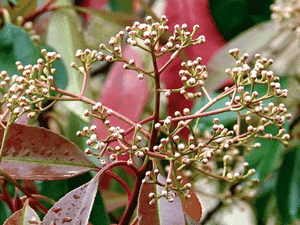
For taiwanese photinia, the ideal period for establishing in a new environment is the latter part of spring, which encourages vigorous development. Select a bright, well-drained spot, making sure the soil composition matches taiwanese photinia's requirements for successful post-relocation growth.
Essential Preparations Before Moving Taiwanese Photinia
Optimal Timing for Relocating Taiwanese Photinia?
The prime period for taiwanese photinia to thrive in a new spot is during the mild conditions of late spring. This season provides balanced temperatures, aiding both growth and recovery. Moving taiwanese photinia in gentle, post-frost weather reduces stress and promotes strong root development before summer's heat. Transplanting early enough to benefit from the full growing season gives taiwanese photinia the best start, building robust foundations for lasting vigor. Friendly advice: utilize late spring days to give taiwanese photinia a successful fresh beginning!
Recommended Spacing Between Taiwanese Photinia Plants?
For taiwanese photinia, it's best to allow 10-12 feet (3-3.7 meters) of space between each specimen. This ensures proper development and spread. Remember, adequate room is vital for their well-being!
Ideal Soil Blend for Taiwanese Photinia Relocation?
Taiwanese photinia thrives in well-draining soil, ideally loamy or sandy. Incorporate some compost or slow-release fertilizer into the soil beforehand to supply the necessary nutrients for a strong start.
Where to Replant Your Taiwanese Photinia?
Aim to find a location for taiwanese photinia where they will receive full sun or partial shade. These plants enjoy sunlight but benefit from some afternoon shade, especially in hotter climates. You've got this!
Equipment Needed Before Transplanting Taiwanese Photinia?
Gardening Gloves
To safeguard your hands from dirt and potential scrapes while handling the plant.
Shovel or Garden Spade
These tools will be used for digging around and beneath the plant to safely extract it from its current position.
Wheelbarrow or Large Garden Pot
For carefully moving the plant from its original spot to its new location in the garden.
Watering Can or Hose
To hydrate the taiwanese photinia before and after the transplanting process to ensure its survival.
Mulch
To assist in retaining soil moisture following the transplanting procedure.
How to Extract Taiwanese Photinia from the Ground?
How to Extract Taiwanese Photinia from the Soil?
From Ground: First, thoroughly water the taiwanese photinia plant to moisten the soil. Next, using a shovel or spade, create a wide trench around the plant, being careful not to harm the root ball. Gradually dig beneath the root ball and lift the taiwanese photinia plant from the ground.From Pot: Ensure the soil is damp. Gently invert the pot and tap its edges to loosen the plant. Hold the taiwanese photinia by its base and carefully slide it out. If it resists, moisten the soil further and try again.From Seedling Tray: Water the trays and allow the water to soak in. Push the bottom of the seedling cells to pop the taiwanese photinia plant out. Handle it by the leaves, not the stem or roots, as these are delicate.
Step-by-Step Guide for Moving Taiwanese Photinia
Excavating a New Hole
In the chosen spot, dig a hole twice as wide and as deep as the root ball of the taiwanese photinia. This extra space allows the roots to spread and become established.
Preparing the taiwanese photinia
Gently untangle any tangled roots and trim any excessively long or broken ones.
Positioning the Plant
Place taiwanese photinia in the hole. Ensure the top of the root ball is level with the surrounding soil, or slightly elevated. Add more soil at the base if necessary.
Backfilling
Return the excavated soil into the hole, gently firming it around the plant's root ball. Avoid over-compacting, which can hinder root growth.
Watering
Water the taiwanese photinia immediately after transplanting, using a gentle flow to prevent washing away the soil.
Post-Transplant Care for Taiwanese Photinia
Pruning
Lightly trim the taiwanese photinia after transplanting. This reduces stress on the new roots and helps the plant direct its energy towards root establishment.
Watering
Maintain consistently moist soil for several weeks following transplanting, then adjust watering to match taiwanese photinia's regular requirements.
Monitoring
Observe the taiwanese photinia for a few weeks to detect any early signs of stress or disease, allowing for timely treatment. If leaves begin to wilt or yellow, it may indicate a need for more or less water.
Addressing Common Issues with Taiwanese Photinia Relocation.
When is the best time to move taiwanese photinia?
The optimal season for relocating taiwanese photinia is during S3, when the plant is dormant, offering the highest chance of survival.
What is the ideal spacing for planting taiwanese photinia?
Ideally, taiwanese photinia should be planted 10-12 feet (3-3.6 meters) apart. This spacing ensures each plant has ample room for growth.
Should I water taiwanese photinia right after transplanting?
Yes, it is crucial to water taiwanese photinia immediately after transplanting. This helps the plant settle into its new location and initiates the recovery process.
What is the most effective method for transplanting taiwanese photinia?
Dig a hole twice as wide and as deep as the rootball. Place taiwanese photinia in the hole, cover roots with soil, then water immediately.
What type of soil is best for taiwanese photinia transplanting?
Taiwanese photinia prefers well-drained, fertile soil. You can improve soil health by adding organic matter like compost or well-rotted manure before transplanting.
Is transplant shock a concern for taiwanese photinia?
Yes, like most plants, taiwanese photinia can experience transplant shock. Minimize its impact by watering thoroughly and providing shade for the initial few days.
Should the rootball of taiwanese photinia be pruned before transplanting?
Avoid pruning taiwanese photinia's rootball before moving it. This could cause unnecessary stress and hinder the plant's establishment in its new location.
Do we need to stake taiwanese photinia after transplanting?
Staking is only necessary if taiwanese photinia cannot stand upright on its own. It could be beneficial in exceptionally windy areas.
How often should taiwanese photinia be watered post-transplant?
Taiwanese photinia requires consistent moisture until fully established, which typically takes 1-2 weeks. However, avoid overwatering as it can harm the plant.
How to alleviate transplant stress for taiwanese photinia?
Ensure deep watering post-transplant, provide some shade for a couple of days, and keep the area around taiwanese photinia weed-free to help reduce transplant stress.



