How to Transplant New zealand flax?
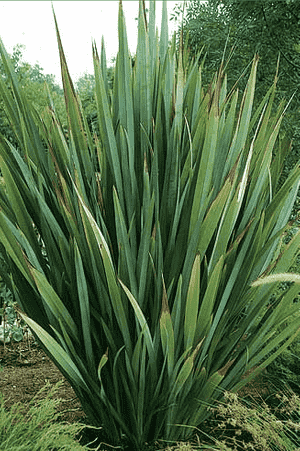
The ideal period for relocating New Zealand Flax is from mid-spring to late spring, or alternatively, from late summer through early autumn. Select a location that receives full sun or partial shade, making sure the soil drains effectively. During the transplanting process, consistently manage the root system with care to avoid harm. Enjoy your gardening!
What Preparations are Needed Before Transplanting New Zealand Flax?
What is the Ideal Time for Transplanting New Zealand Flax?
The best period for relocating new zealand flax spans from mid-spring to late spring, or from late summer to early autumn. This timing provides balanced temperatures and ample sunlight. This duration also allows new zealand flax sufficient time to establish itself in its new location before winter's harshness or summer's peak. It's like giving new zealand flax a pleasant, sunny break before a demanding race!
How Much Space Should You Leave Between New Zealand Flax Plants?
When moving new zealand flax, ensure each plant is spaced 3-6 feet (0.9-1.8 meters) apart. This provides ample room for their growth and the spread of their attractive foliage.
What is the Best Soil Mix for New Zealand Flax Transplanting?
For optimal outcomes, prepare a well-draining soil rich in organic matter for new zealand flax. Before planting, incorporate a generous amount of compost or aged manure as a foundational fertilizer to give your plants a strong start.
Where Should You Relocate Your New Zealand Flax?
Select a garden spot that receives full sun or partial shade for transplanting new zealand flax. They tolerate moderate sunlight and will flourish with a good daily dose of sun!
What Equipments Should You Prepare Before Transplantation New Zealand Flax?
Gardening Gloves
To safeguard your hands while handling soil and plants.
Shovel or Spade
For digging the planting hole and extracting the plant from its original spot.
Hand Trowel
Useful for removing plants from containers or seedling trays and for loosening soil around the planting area.
Pruners
To trim any damaged roots or leaves.
Gardening Fork
To aerate the soil in the planting hole and mix in any amendments.
Watering Can or Hose
To hydrate the plant both before and after its relocation.
How Do You Remove New Zealand Flax from the Soil?
How Do You Remove New Zealand Flax from the Soil?
From Ground: First, moisten the new zealand flax plant's soil. Then, excavate a wide trench around the plant using a shovel or spade, ensuring the root ball remains intact. Carefully work the spade beneath the root ball to lift the plant from its initial position.From Pot: Gently water the new zealand flax plant to dampen the soil. Grasp the plant's base with one hand and carefully invert the pot to release the plant. Squeeze the pot's sides if needed to loosen the root ball.From Seedling Tray: Water the new zealand flax seedling tray to make the soil moist. Gently lift the seedling from the tray using a hand trowel, aiming to keep as much soil around the roots as possible.
Step-by-Step Guide for Transplanting New Zealand Flax
Site Selection
Choose a location with adequate sunlight and space for your new zealand flax plant to reach its mature size.
Digging the Hole
Use a shovel or spade to create a hole that is 2-3 times wider and deeper than the root ball.
Soil Preparation
Use a gardening fork to loosen the soil at the bottom of the hole and incorporate any necessary soil amendments to ensure good drainage.
Root Pruning
Inspect the roots of the new zealand flax plant and use pruners to remove any damaged or dead roots before transplanting.
Placing the Plant
Carefully lower the new zealand flax plant into the hole, ensuring the top of the root ball is level with the surrounding soil surface.
Backfill
Gently refill the hole with native soil and any added amendments, tamping down the soil around the root ball to eliminate air pockets.
Watering
Thoroughly water the new zealand flax plant after transplanting to help settle the soil and promote strong root development.
How Do You Care For New Zealand Flax After Transplanting?
Watering
Keep the soil around the new zealand flax consistently moist, but not waterlogged, for the initial weeks post-transplant to aid in root establishment.
Pruning
Remove any dead or damaged leaves during the first month after transplanting to encourage healthy growth.
Mulching
Apply a layer of organic mulch around the base of the new zealand flax plant to help retain moisture and suppress weed growth.
Fertilizing
Apply a balanced, slow-release fertilizer after transplanting to promote vigorous growth and establishment.
Monitoring
Observe the new zealand flax plant for any signs of stress or pests, and address any issues promptly to ensure the plant's health and success.
Troubleshooting Common Issues with New Zealand Flax Transplantation.
When is the best time to transplant new zealand flax?
Ideally, it's best to move new zealand flax from mid-spring to late spring or from late summer to early fall. These periods offer the most favorable conditions for new zealand flax.
How much space should I leave between each new zealand flax while transplanting?
Each new zealand flax should be planted 3-6 feet (1-2 meters) apart. Adequate spacing is crucial for their undisturbed and healthy growth.
Why are my transplanted new zealand flax plants wilting?
Wilting can result from insufficient watering or severe transplant shock. Ensure the soil remains moist but not saturated, and avoid transplanting during extreme temperatures.
Do the roots of new zealand flax need any special preparation before transplanting?
Yes, it's beneficial to trim overly long or broken roots before transplanting. This encourages more robust and healthier growth once the new zealand flax is planted.
How deep should I plant new zealand flax while transplanting?
The new location for your new zealand flax should be deep enough to cover its root ball. A hole twice as wide but no deeper than the plant's root system is ideal.
What's the first thing I should do after transplanting new zealand flax?
Immediately after transplanting new zealand flax, water it thoroughly. This helps settle the soil around the roots and reduces the plant's stress from the move.
How can I minimize transplant shock in new zealand flax?
To reduce transplant shock, keep new zealand flax well-hydrated before, during, and after transplanting. Additionally, avoid transplanting during peak daylight hours when temperatures are highest.
Do I need to worry about diseases or pests after transplanting my new zealand flax?
While new zealand flax are generally resistant to diseases and pests, watch for any signs of distress. Isolate any plants showing disease symptoms to prevent spread to healthy plants.
Why are the leaves of my transplanted new zealand flax turning yellow?
Yellowing leaves could indicate overwatering, under-watering, or nutrient deficiencies. Review your care routine and adjust watering or feeding as necessary.
Should I add fertilizer after transplanting new zealand flax?
Although new zealand flax are not heavy feeders, applying a slow-release fertilizer after transplanting can promote strong growth. However, avoid over-fertilizing as it can cause harm.



