How to Transplant Phoebe sheareri?
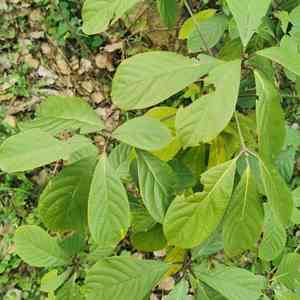
The most favorable period for relocating phoebe sheareri extends from the onset of early spring to the comfortable warmth of late spring. Choose a site featuring soil that drains effectively, receiving sunlight from partial to full intensity, and offering sufficient room for expansion. A helpful tip â hydrating the plant after its move assists phoebe sheareri in adapting to its new environment!
What Preparations are Needed Before Transplanting Phoebe Sheareri?
What is the Ideal Time for Transplanting Phoebe Sheareri?
The perfect period to relocate phoebe sheareri spans from early spring's onset to the brink of summer. During this phase, moderate temperatures and consistent moisture levels foster an optimal setting for root development, significantly boosting the plant's growth potential. Choosing this timeframe leads to a smoother transition and increased vitality, aligning perfectly with phoebe sheareri's growth requirements.
How Much Space Should You Leave Between Phoebe Sheareri Plants?
When getting ready to plant your phoebe sheareri, allow a generous distance of approximately 10-12 feet (3-3.6 meters) between each specimen. This provides your phoebe sheareri ample room to thrive and reach its full size without being crowded.
What is the Best Soil Mix for Phoebe Sheareri Transplanting?
For your phoebe sheareri, prepare a well-draining soil blend with some compost or a balanced, slow-release fertilizer to give it a strong start. The soil should be abundant in organic material to help your phoebe sheareri flourish.
Where Should You Relocate Your Phoebe Sheareri?
Select a sunny location for your phoebe sheareri that receives at least 6 hours of sunlight daily. A spot with partial shade is also acceptable, particularly in warmer climates, to shield your phoebe sheareri from excessive heat.
What Equipments Should You Prepare Before Transplantation Phoebe Sheareri?
Gardening Gloves
To safeguard your hands while handling soil and the plant.
Shovel or Spade
To excavate the plant without harming its root ball.
Pruning Shears
To trim any dead or excess growth prior to transplanting.
Wheelbarrow or Garden Cart
To move the plant and soil.
Watering Can or Hose
For hydrating the plant before and after the transplanting process.
Trowel
For making minor adjustments to the plant's new spot before settling it in.
Tape Measure
To ensure correct spacing between your phoebe sheareri plants.
Soil Amendments
To enrich the soil at the new site if needed.
How Do You Remove Phoebe Sheareri from the Soil?
How Do You Remove Phoebe Sheareri from the Soil?
From Ground: First, irrigate the phoebe sheareri plant to moisten the soil. Next, dig a wide trench around the plant using a shovel or spade, ensuring the plant's root ball stays intact. Carefully work the spade beneath the root ball to lift the plant from its original position.From Pot: Start by watering the phoebe sheareri thoroughly to ease its transfer. Invert the pot and gently tap the bottom to loosen the soil and roots. Support the plant by its base and slowly guide it out of the pot.From Seedling Tray: Dampen the soil in the tray to facilitate removal. Use a trowel or your fingers to carefully lift each individual phoebe sheareri plant, taking care to keep the root ball and surrounding soil together.
Step-by-Step Guide for Transplanting Phoebe Sheareri
Prep Work
Thoroughly water the phoebe sheareri at its current location a day before the actual transplant to lessen transplant shock.
Digging the Hole
At the new site, dig a hole twice as wide as the root ball and of equal depth to allow roots to spread.
Root Ball Care
Gently extract the phoebe sheareri from its original spot, keeping as much soil around the roots as possible to protect them.
Placement Check
Position the phoebe sheareri in the center of the new hole to verify it sits at the same level as in its previous location.
Amending Soil
If recommended, blend in soil amendments to enrich the soil before backfilling around the plant's root ball.
Backfilling
Slowly refill the hole with soil, gently firming it down to remove air pockets and ensure good contact between roots and soil.
Watering In
Water the phoebe sheareri gently but thoroughly after planting to settle the soil and hydrate the roots.
How Do You Care For Phoebe Sheareri After Transplanting?
Mulching
Apply a layer of organic mulch around the base of phoebe sheareri to retain moisture and stabilize soil temperature.
Checking Plant's Stance
Monitor the phoebe sheareri to ensure it remains upright and stable, using stakes if necessary.
Regular Monitoring
Observe the phoebe sheareri for indications of stress and adjust care as needed to help it flourish in its new environment.
Gentle Pruning
Trim any dead or damaged foliage to direct the phoebe sheareri's energy towards root establishment.
Patience
Allow the phoebe sheareri time to adjust and avoid excessive handling or fertilizing until it has settled in.
Troubleshooting Common Issues with Phoebe Sheareri Transplantation.
How to determine the right time to transplant phoebe sheareri?
Aim for early to late spring, when the soil is workable and the weather is mild. This timing encourages robust root growth before summer.
What is the ideal spacing for transplanting phoebe sheareri?
Space phoebe sheareri widely, approximately 10-12 feet (3-3.7 meters) apart, to allow room for mature growth and airflow.
Why are my phoebe sheareri plants wilting after transplant?
Wilting may be due to transplant shock. Ensure you're watering adequately and protecting the plants from strong winds and direct, hot sunlight.
How deep should I plant phoebe sheareri when transplanting?
The hole should be twice as wide and just as deep as the root ball to give roots ample space to expand.
Can I transplant phoebe sheareri on a rainy day?
Yes, overcast or lightly rainy conditions can reduce transplant stress by keeping roots moist.
Should I prune phoebe sheareri before transplanting?
Light pruning can help reduce stress on the plant. Remove only dead or damaged foliage.
How much water does phoebe sheareri need after transplanting?
Keep the soil consistently moist but not soggy for the first few weeks to help roots establish.
What kind of soil is best for transplanting phoebe sheareri?
Use well-draining soil rich in organic matter to provide a nutritious base for the transplanted phoebe sheareri.
How to protect transplanted phoebe sheareri from pests?
Inspect regularly for pests. Use organic mulch to deter pests and keep the area around the plant clean.
What if the leaves of phoebe sheareri start turning yellow after transplant?
Yellow leaves can indicate overwatering or poor drainage. Adjust watering and ensure the soil is not waterlogged.



