How to Transplant Garden phlox?
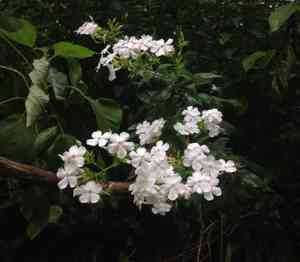
The most favorable period for relocating garden phlox is from mid-spring through early summer, which guarantees peak development. Select a site with good drainage and abundant sunshine for garden phlox, and gently manage its fragile root system.
What Preparations are Needed Before Transplanting Garden Phlox?
What is the Ideal Time for Transplanting Garden Phlox?
Garden phlox transplantation is most successful when performed from mid-spring to early summer. This period facilitates easier establishment, optimal development, and abundant flowering. It's truly the prime window for your garden phlox's prosperity!
How Much Space Should You Leave Between Garden Phlox Plants?
For your lovely garden phlox plants, we suggest you transplant them approximately 1-2 feet (30-60 cm) apart. This provides ample room for their growth and blooming without excessive crowding. Happy gardening!
What is the Best Soil Mix for Garden Phlox Transplanting?
To maximize your garden phlox plants' potential, prepare soil that drains well and is rich in organic matter. Additionally, incorporate some all-purpose, slow-release fertilizer to provide a nourishing foundation for their growth. They'll appreciate it!
Where Should You Relocate Your Garden Phlox?
When seeking an optimal location for your garden phlox plants, select an area that receives full sun to partial shade. They will enjoy soaking up sunlight for at least 6 hours daily and will reward you with their beautiful blossoms. Enjoy!
What Equipments Should You Prepare Before Transplantation Garden Phlox?
Gardening Gloves
To safeguard your hands while handling soil and garden phlox.
Shovel or Spade
To excavate holes and trenches for removing and relocating garden phlox.
Trowel
For precise digging and soil manipulation around garden phlox roots.
Watering Can or Hose
To hydrate and moisten the soil surrounding garden phlox before and after transplantation.
Pruning Shears
To trim back garden phlox stems as necessary to minimize transplant shock.
Garden Stakes or Supports (optional)
To offer stability for tall garden phlox plants during transplantation.
How Do You Remove Garden Phlox from the Soil?
How Do You Remove Garden Phlox from the Soil?
- From Ground:First, water the garden phlox plant to moisten the soil, making excavation easier. Then, dig a wide trench around the plant using a shovel or spade, ensuring the plant's root ball remains intact. Carefully work the spade beneath the root ball to lift the plant from its original spot.- From Pot:Gently extract the garden phlox from its container by turning the pot on its side and tapping the base. Avoid pulling the plant by its stem to prevent damage. Before removal, water the soil to help maintain the root ball's shape.- From Seedling Tray:If transplanting garden phlox seedlings, first water the tray to dampen the soil. Gently remove the seedling by applying pressure to the bottom of the tray and lifting the seedling out by the root ball with your fingers.
Step-by-Step Guide for Transplanting Garden Phlox
Preparation
Water the garden phlox plant and its initial location thoroughly before beginning the transplant process, to facilitate root extraction and reduce transplant shock.
Hole Digging
In the new planting site, dig a hole slightly wider and deeper than the garden phlox plant's root ball, using a shovel or trowel.
Attention to Roots
Carefully inspect the garden phlox plant's roots prior to transplanting. Untangle any circling roots to encourage proper growth and trim if needed.
Plant Placement
Position the garden phlox plant into the excavated hole, ensuring the root ball is level with the surrounding soil. Adjust the hole's depth if necessary.
Backfilling
Fill the hole around the garden phlox plant with soil, gently pressing down with your hands to secure the plant and eliminate air pockets.
Watering
Water the garden phlox plant thoroughly to help it settle into its new location.
(optional)_Staking
If required, stake tall garden phlox plants to provide support.
How Do You Care For Garden Phlox After Transplanting?
Post-Transplant Watering
Keep the soil around the garden phlox consistently damp, but not waterlogged, for the initial weeks after transplanting to aid in establishing strong roots.
Pruning
Trim back garden phlox stems by one-third after transplanting to lessen transplant shock and promote bushier growth. Remove any dead or damaged foliage.
Monitoring
Observe the garden phlox plant for indications of health or stress, and take appropriate actions if any issues arise, such as adjusting the watering schedule or providing additional support.
Fertilizing
Wait a few weeks to a month after transplanting before applying any fertilizers to the garden phlox plant, as this may cause stress to the newly transplanted roots.
Troubleshooting Common Issues with Garden Phlox Transplantation.
When is the best time to transplant garden phlox?
The optimal period to transplant garden phlox is from mid-spring to early summer, allowing them to establish before harsh weather.
What is the recommended spacing between garden phlox plants?
To encourage healthy growth and air circulation, space garden phlox plants 1-2 feet (30-60 cm) apart when transplanting.
How deep should I dig the hole for transplanting garden phlox?
Excavate a hole as deep as the root ball with a bit of extra depth; approximately 12 inches (30 cm) should suffice.
Should I soak garden phlox roots before transplanting?
Yes, immerse the roots in water for 10-15 minutes prior to transplanting. This ensures proper hydration and a better start.
What kind of soil should I use for transplanting garden phlox?
Garden phlox thrives in well-draining, nutrient-rich, and slightly acidic soil. Ensure it's loosened to promote root growth.
How can I ensure proper root establishment when transplanting garden phlox?
Gently spread the roots out in the hole before covering them, and water thoroughly after planting for good root establishment.
What is the ideal sun exposure for transplanting garden phlox?
Garden phlox prefers full sun, but can tolerate partial shade. Choose a location that receives at least six hours of direct sunlight.
How much water should I give garden phlox after transplanting?
Water thoroughly after transplanting, then maintain consistent moisture. Aim for 1 inch (2.5 cm) of water per week.
Should I use fertilizer when transplanting garden phlox?
You can use a slow-release fertilizer when transplanting to promote root growth and overall plant health.
How can I protect transplanted garden phlox from pests?
Regularly inspect your garden phlox for signs of pests, apply appropriate treatments, and encourage beneficial insects to reduce pest presence.



