How to Transplant Shrubby jerusalem sage?
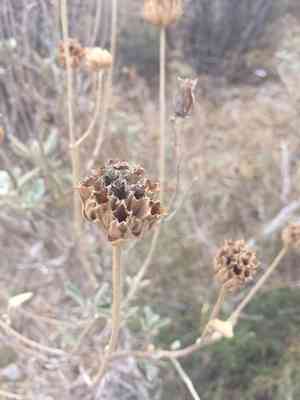
The most favorable period for relocating shrubby jerusalem sage is mid-spring, as it capitalizes on temperate conditions and root development. Select bright, adequately drained sites and ensure sufficient room for expansion. A helpful tip: careful manipulation aids in successful re-establishment.
What Preparations are Needed Before Transplanting Shrubby Jerusalem Sage?
What is the Ideal Time for Transplanting Shrubby Jerusalem Sage?
Choose the revitalizing warmth of mid-spring to move shrubby jerusalem sage, allowing it to acclimate before harsher seasons. This timely relocation ensures vigorous growth, utilizing moderate temperatures and favorable soil conditions. Moving shrubby jerusalem sage during this period facilitates a smooth transition into the growing season, providing ample time for root establishment before the peak of summer.
How Much Space Should You Leave Between Shrubby Jerusalem Sage Plants?
It's best to allow ample room for shrubby jerusalem sage to expand. Aim for a spacing of approximately 3-4 feet (0.9-1.2 meters) between each plant. This prevents competition for nutrients and sunlight, promoting robust development!
What is the Best Soil Mix for Shrubby Jerusalem Sage Transplanting?
Shrubby jerusalem sage thrives in well-drained soil, ideally a blend of sand or loam. Ensure the soil is enriched with a base of organic compost or a slow-release granular fertilizer. This nutrient boost will give the plant an excellent start!
Where Should You Relocate Your Shrubby Jerusalem Sage?
Regarding placement, shrubby jerusalem sage prefers full sun to partial shade. Select a garden spot that receives at least six hours of sunlight daily. However, it can endure a part-shade environment if necessary. You're all set for a successful transplant!
What Equipments Should You Prepare Before Transplantation Shrubby Jerusalem Sage?
Gardening Gloves
To safeguard your hands while handling soil and the shrubby jerusalem sage plant, preventing skin irritation or allergic reactions.
Shovel or Spade
Required for excavating the plant from its original spot and creating the new planting hole.
Garden Trowel
Useful for smaller, more delicate tasks such as planting young plants or dividing the specimen.
Watering Can
Crucial for hydrating the shrubby jerusalem sage plant both before and after its relocation to ensure healthy growth.
Wheelbarrow
Helpful if you are moving a more mature plant; it simplifies transporting the plant and its soil to the new site.
How Do You Remove Shrubby Jerusalem Sage from the Soil?
How Do You Remove Shrubby Jerusalem Sage from the Soil?
From Ground: To extract the shrubby jerusalem sage plant from the ground, first moisten the area to soften the soil, making it easier to work with. Dig a trench around the plant using your shovel or spade, ensuring you are far enough away to avoid damaging roots. Once the soil is loose, follow the root line and carefully lift the plant, preserving as much of the root ball as possible.From Pot: If your shrubby jerusalem sage is currently in a pot, watering can also assist here. Gently invert the pot while supporting the plant and allow it to slide out. You might need to lightly tap the pot's sides or bottom to encourage release, but try not to pull the plant, as this can harm the roots.From Seedling Tray: A garden trowel is an excellent tool for gently lifting seedlings without causing damage. Slide the trowel beneath the shrubby jerusalem sage seedling and gradually lever it up and out of the tray. Remember to handle the seedling by its leaves, not the stem, to prevent injury.
Step-by-Step Guide for Transplanting Shrubby Jerusalem Sage
Hole Preparation
Prepare the new location for shrubby jerusalem sage by digging a hole that is twice as wide and the same depth as the root ball. Backfill slightly to adjust the depth so the plant sits at its original level.
Placement
Position the shrubby jerusalem sage plant in the hole. Ensure it stands upright and that the uppermost roots are level with or slightly below the ground surface. This aids in quicker establishment for shrubby jerusalem sage.
Backfilling
Gradually return the soil removed from the hole, gently firming it around the base of the shrubby jerusalem sage plant to secure it.
Watering
Once shrubby jerusalem sage is firmly planted, water it generously. The water will help the soil settle and eliminate any air pockets around the roots.
How Do You Care For Shrubby Jerusalem Sage After Transplanting?
Careful Watering
For the initial few weeks, water shrubby jerusalem sage more frequently to aid its establishment. Gradually decrease watering as the plant becomes more settled. Avoid overwatering, as shrubby jerusalem sage prefers well-drained soil.
Regular Inspection
Monitoring shrubby jerusalem sage can help in the early detection of any diseases or pests. Also, check if the plant is growing healthily or exhibiting signs of stress, such as yellowing leaves or stunted growth.
Troubleshooting Common Issues with Shrubby Jerusalem Sage Transplantation.
What is the best time to transplant shrubby jerusalem sage?
Transplanting shrubby jerusalem sage is ideally performed during the S2 season. This timing ensures the plant will root effectively before the active growing period.
How much space should I leave between shrubby jerusalem sage plants when transplanting them?
For optimal growth, maintain a distance of approximately 3-4 feet (0.9-1.2m) between each shrubby jerusalem sage plant. This provides them with ample room to spread.
What type of soil does shrubby jerusalem sage prefer during transplantation?
Shrubby jerusalem sage adapts to various soil types, but it thrives best in well-draining soil enriched with organic matter.
Do I need to water shrubby jerusalem sage immediately after transplanting?
Yes, water shrubby jerusalem sage immediately after transplanting. This helps settle the soil around the roots and minimizes transplant shock.
How deep should I plant the shrubby jerusalem sage during transplantation?
Aim to plant shrubby jerusalem sage at the same depth it was previously growing. Planting too deep might harm the roots, while too shallow may expose them.
Should I prune shrubby jerusalem sage before transplanting?
It's advisable to trim back shrubby jerusalem sage by about one-third before transplanting. This reduces water loss, helping shrubby jerusalem sage establish better in its new location.
How to prepare the planting hole for transplanting shrubby jerusalem sage?
For shrubby jerusalem sage, dig a hole twice as wide as the root ball but no deeper. This allows roots ample space to spread and establish.
How frequently should I water shrubby jerusalem sage after transplantation?
Water shrubby jerusalem sage thoroughly after transplanting, then regularly – typically once a week. Periodically check soil moisture levels to prevent overwatering or under-watering.
What to do if leaves of shrubby jerusalem sage wilt after transplanting?
Wilting post-transplant may indicate shock. Keep the soil moist but avoid overwatering, provide shade, and anticipate recovery within several weeks.
Do I need to add fertilizer to the transplanting hole for shrubby jerusalem sage?
Incorporating compost or an organic slow-release fertilizer into the planting hole can provide the initial nutrient boost needed by shrubby jerusalem sage after transplant.



