How to Transplant Black gold philodendron?
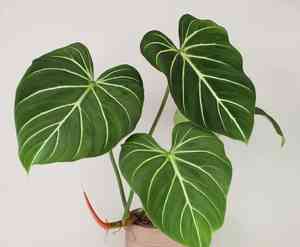
Relocating black gold philodendron is best accomplished in the latter part of spring or early summer, leveraging vigorous periods of development. For optimal results, transfer it to a location with ample, diffused light, ensuring elevated atmospheric moisture for the black gold philodendron to flourish after the move.
Preparations Required Before Relocating Black Gold Philodendron
Optimal Period for Moving Black Gold Philodendron?
The perfect window for relocating your black gold philodendron is from late spring to early summer. This timing allows your black gold philodendron to benefit from warmer soil, promoting robust root development before colder weather. Transplanting at this point maximizes growth with abundant summer months ahead, providing your black gold philodendron with extended daylight to flourish. Gently settling black gold philodendron into its new spot during this season of rejuvenation can offer an invigorating start, leading to a magnificent display of foliage. Trust this timeframe for a smooth transition for your black gold philodendron.
Recommended Spacing Between Black Gold Philodendron Plants?
When preparing to transplant your black gold philodendron, ensure a distance of 2-3 feet (60-90 cm) between each plant. This guarantees sufficient room for growth without mutual restriction. It's like providing them with their own space to thrive. A great beginning!
Best Soil Mixture for Black Gold Philodendron Relocation?
Begin by preparing your soil. Black gold philodendron prefers rich, well-draining, and slightly acidic soil. Incorporate organic matter such as peat, compost, or a basic indoor plant fertilizer to improve soil structure and nourish your plant. How exciting, right?
Ideal Location for Your Black Gold Philodendron?
Excellent! Now, let's find the perfect spot. Your black gold philodendron thrives in bright, indirect sunlight – an east or north-facing windowsill would be ideal. They seem to prefer sunbathing under an umbrella. Best of luck with your transplanting endeavor!
Equipment to Prepare Before Transplanting Black Gold Philodendron?
Gardening Gloves
To safeguard your hands while handling black gold philodendron and working with soil.
Shovel or Garden Spade
Necessary for excavating the existing plant or creating a hole for relocation.
Trowel
Useful for smaller digging tasks or adjusting soil within the transplant hole.
Pruning Shears
Essential for trimming roots if needed and removing damaged leaves or stems.
Bucket or Wheelbarrow
For moving the excavated plant to its new position.
Organic Compost
To enrich the soil at the new planting site.
Watering Can or Hose
For providing moisture to the plant during and after relocation.
How to Extract Black Gold Philodendron from the Soil?
How to Extract Black Gold Philodendron from the Soil?
From Ground: To remove a black gold philodendron plant from the ground, first, hydrate the surrounding area to soften the soil, making it easier to manage. Using a garden spade or shovel, dig a circle around the plant, being careful not to sever the roots. Proceed slowly to maintain the rootball's structural integrity. Once the soil is adequately loose, gently lift the plant from the hole, ensuring the rootball remains intact.From Pot: If the black gold philodendron is currently in a container, water it thoroughly to moisten the soil. Invert the pot, or place it on its side, and gently tap or shake it to dislodge the plant. Hold the plant at the base of its stem and carefully pull it out. Remember to handle it gently to prevent root damage.From Seedling Tray: For black gold philodendron seedlings, water the tray and then gently compress the bottom of each cell or use a tool, like a popsicle stick, to scoop out the seedling along with its surrounding soil, aiming to avoid disturbing the roots.
Step-by-Step Guide for Relocating Black Gold Philodendron
Preparation
Prepare the new location for the black gold philodendron plant by digging a hole that is twice as wide and as deep as the rootball. Add some organic compost to the bottom of the hole to enrich the soil.
Placement
Carefully lower the black gold philodendron plant into the hole, ensuring it sits at the correct height, level with the lawn or garden bed. Position the plant so its most attractive side faces forward.
Backfilling
Return soil to the hole, keeping the plant in its position. Firm the soil around the base of the black gold philodendron with your hands to secure it.
Watering
Water the newly relocated plant generously, ensuring the water is absorbed and the soil settles.
Final Check
Inspect the black gold philodendron to remove any damaged foliage or stems. Confirm the plant is upright and securely positioned.
Post-Transplantation Care for Black Gold Philodendron
Watering
Continue to water the black gold philodendron regularly, ideally in the mornings. Prevent overwatering by allowing the top inch of soil to dry out between waterings.
Pruning
Periodically check for and remove any dead or dying leaves. This not only enhances the plant's appearance but also prevents disease spread.
Monitoring
Keep a close watch on your black gold philodendron's well-being, especially in the initial days after relocation. Look for any signs of stress, such as wilting or yellowing leaves, and take appropriate action.
Protection
Be vigilant for pests and diseases. If any are detected, consider using suitable organic treatments.
Support
Depending on the mature size of your black gold philodendron, you might need to consider providing external support, such as a stake or trellis.
Resolving Common Issues with Black Gold Philodendron Relocation.
When is the optimal time of year to move the black gold philodendron?
Relocate your black gold philodendron during seasons 3 and 4 (s3-s4); this is the ideal period for transplanting this plant.
How should I choose a container for relocating my black gold philodendron?
Select a pot that is 2-3 inches (5-7.6 cm) larger in diameter than the current one. Ensure it has adequate drainage, as black gold philodendron does not tolerate waterlogged soil.
What spacing guidelines should I follow for relocating black gold philodendron?
Plant the black gold philodendron 2-3 feet (60-90 cm) apart. This provides each plant ample room to grow and mature without competing for nutrients.
What type of soil is best for relocating black gold philodendron?
The black gold philodendron prefers a rich, well-draining soil mix abundant in organic matter. Ensure the pH is slightly acidic to neutral, around 5.5-7.0.
How deep should I plant black gold philodendron during relocation?
Plant your black gold philodendron at the same depth as its previous location. Planting too deep can lead to root rot, while too shallow might cause instability.
What kind of care should I provide my black gold philodendron after relocation?
After relocating, provide black gold philodendron with consistent watering, but do not allow it to sit in water. Partial sunshine or bright indirect light are ideal conditions.
How frequently should I water the black gold philodendron after transplantation?
Water your black gold philodendron thoroughly after transplanting. Subsequently, maintain a regular watering schedule, but only once the top inch (2.5 cm) of soil has dried out.
Why are the leaves of my black gold philodendron turning yellow after transplantation?
Excessive watering or a significant change in sunlight can cause yellowing leaves. Re-evaluate your care routine for black gold philodendron if this occurs post-transplantation.
How often should I fertilize my black gold philodendron after relocating it?
Fertilize your black gold philodendron once a month during the growing seasons (S3-S4) but reduce this in the cooler months. Always adhere to the package instructions.
Can I propagate the black gold philodendron during relocation?
Yes, when relocating, you can take cuttings and root them. Just ensure the cutting has at least one node and place it in water or damp peat moss.



