How to Transplant Dragon's blood?
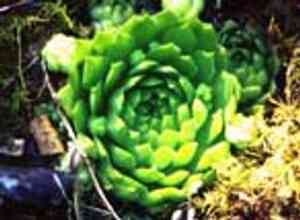
Relocate dragon's blood preferably in the revitalizing period of early spring, since this timeframe provides prime conditions for root anchoring and expansion. Choose a site with good drainage that receives full sunlight to partial shade. Bear in mind, a helpful tip: appropriate soil conditioning is vital for robust dragon's blood maturation.
Essential Preparations Before Relocating Dragon's Blood?
Optimal Timing for Dragon's Blood Relocation?
When winter's chill subsides and new buds emerge, that's the ideal moment to move your dragon's blood. Transplanting dragon's blood in early spring aligns with its natural growth cycle, promoting better root establishment and minimizing shock. The process of relocating dragon's blood is straightforward, suitable for both novices and experienced gardeners.
Recommended Spacing Between Dragon's Blood Plants?
When moving dragon's blood, ensure a spacing of approximately 12-18 inches (30-45 cm) between them. This provides ample room for development and prevents overcrowding, which can lead to disease or stunted growth.
Best Soil Blend for Dragon's Blood Relocation?
To create the optimal environment for dragon's blood, select well-draining soil with a pH ranging from neutral to slightly alkaline. Additionally, enrich the soil with a slow-release, balanced fertilizer to supply vital nutrients and support robust growth.
Choosing a New Location for Your Dragon's Blood?
Pick a spot for your dragon's blood where it will receive 6-8 hours of direct sunlight daily. This plant thrives in full sun, which is crucial for vigorous growth and vibrant foliage. Be cautious of placing it near taller plants that might shade dragon's blood.
Necessary Equipment for Dragon's Blood Relocation?
Gardening Gloves
To safeguard your hands while handling the soil and dragon's blood.
Shovel or Spade
For digging a hole for the dragon's blood in its new spot and extracting the plant from its original location.
Garden Trowel
To manage the dragon's blood during relocation, particularly useful if moving from a pot or seedling tray.
Watering Can
For hydrating the dragon's blood both before and after its move.
How to Extract Dragon's Blood from the Ground?
How to Extract Dragon's Blood from the Ground?
From Ground: First, water the dragon's blood to moisten the surrounding soil. Using your shovel or spade, dig a circle around the plant, ensuring the root ball remains intact. Position the spade beneath the root ball and gently lift the plant from its spot.From Pot: Begin by watering the dragon's blood in the pot to facilitate removal. Invert the pot and gently tap it until the plant slides out. Be careful to protect the root ball during this process.From Seedling Tray: Water the dragon's blood in the tray. Carefully hold the base of the plant and pull it out from its seedling cell. Again, take care not to damage the root.
Step-by-Step Guide for Relocating Dragon's Blood
Excavating the Hole
Using your shovel or spade, dig a hole in the chosen location. Ensure the hole is twice the width of the root ball and of the same depth.
Positioning the Plant
Carefully place the dragon's blood in the center of the hole, making sure it is level with the ground.
Backfilling the Hole
Gradually fill the hole with the soil you removed earlier, lightly compacting it around the base of the dragon's blood.
Watering
Once the dragon's blood is securely planted, water it generously to help it settle into its new location.
Post-Relocation Care for Dragon's Blood?
Regular Monitoring
Frequently inspect the dragon's blood for indications of stress, such as wilting, discoloration, or dropped leaves. If observed, adjust your care routine accordingly.
Appropriate Watering
Always keep the dragon's blood hydrated but avoid waterlogging. Insufficient water can dry out the plant, while excessive water can cause root rot. Maintain a balance.
Avoiding Fertilizers
Resist the urge to heavily fertilize after relocating dragon's blood. Use compost and natural mulches as needed.
Weed Management
Regularly remove any weeds that emerge near the dragon's blood. Weeds compete with your plant for resources.
Temperature Observation
Monitor the weather as dragon's blood can be sensitive to extreme temperatures. A protective covering may be beneficial in very cold conditions to shield your newly relocated dragon's blood.
Addressing Common Issues with Dragon's Blood Relocation.
When is the best time to relocate dragon's blood?
The optimal period to relocate dragon's blood is the beginning of spring, when it can best adapt to new growth.
What is the ideal spacing when relocating dragon's blood?
Ensure dragon's blood has sufficient room to grow by placing them 12-18 inches (30-45 cm) apart. Close proximity can hinder growth.
How deep should I plant dragon's blood?
The planting hole should be deep enough to cover dragon's blood's roots with soil. However, avoid planting it too deep as this can lead to rot.
What type of soil is suitable for dragon's blood?
Dragon's blood prefers sandy or loamy soil that drains effectively. Excessive moisture can result in root rot and other diseases.
Do I need to water dragon's blood immediately after relocating?
Yes, gently watering dragon's blood right after relocation is essential. It minimizes root shock and aids the plant in settling.
What should I do if the leaves of my relocated dragon's blood start to wilt?
Wilting often signals transplant shock. Be patient, as dragon's blood typically recovers on its own within a few days. If wilting persists, check watering and lighting conditions.
How can I tell if my dragon's blood has been successfully relocated?
A successful relocation will show new growth after a few weeks. Be patient as dragon's blood requires time to adjust to its new environment.
Do I need to fertilize dragon's blood after relocating?
Yes, applying a slow-release, balanced fertilizer can stimulate the growth of dragon's blood and assist its recovery after being moved.
Should I prune dragon's blood after relocating?
No, avoid pruning dragon's blood immediately after relocation as this may add extra stress to the plant. You can prune once it has fully adapted to the new spot.
What should I do if the dragon's blood starts to discolor after relocating?
Discoloration may be due to shock, insufficient watering, or too much sunlight. Ensure dragon's blood is well-watered but not over-saturated, and placed in partial shade until it adjusts.



