How to Transplant Common bean?
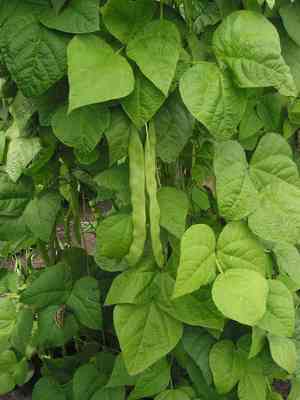
Relocating common bean is most effective during the pleasant window from mid-spring to early summer. This timeframe guarantees ideal conditions for development. Select a bright spot that facilitates adequate nutrient uptake. Adhere to transplanting guidelines as necessary to aid common bean in flourishing splendidly.
Essential Preparations Before Relocating Common Bean
Optimal Timing for Common Bean Relocation?
Moving common bean plants in late spring to early summer promotes robust development and a plentiful yield. This warm period supports strong root growth, leading to a flourishing garden.
Required Spacing Between Common Bean Plants?
For common bean, allow ample room for growth. Position them approximately 3-6 inches (7.6-15.2 cm) apart to ensure adequate space and good air circulation.
Ideal Soil Blend for Common Bean Relocation?
Prepare a soil that drains effectively for common bean. Incorporate organic compost or aged manure as a foundational fertilizer to supply essential nutrients for healthy development.
Optimal Location for Your Common Bean?
Select a site for common bean that offers full sun to partial shade. This guarantees they receive the perfect amount of sunlight for peak growth and thriving plants.
Equipment Checklist for Common Bean Transplantation
Gardening Gloves
To safeguard your hands while handling soil and plants.
Trowel or Shovel
For excavating holes for the transplant and extracting the plant from its initial spot.
Watering Can or Garden Hose
To hydrate the plant both before and after its relocation.
Garden Fork
To aerate the soil at the new planting site.
Measuring Tape or Ruler
To ensure correct spacing between individual plants.
Organic Compost or Aged Manure
To enrich the soil and provide a nutritional boost to the transplanted common bean.
Method for Extracting Common Bean from the Soil
Method for Extracting Common Bean from the Soil?
- From Ground:First, moisten the common bean plant's soil. Next, use a shovel or spade to dig a wide trench around the plant, ensuring the root ball remains intact. Carefully work the spade beneath the root ball to lift the plant from its original position.- From Pot:Water the common bean plant and allow it to drain for a few minutes. Gently lay the pot on its side and carefully slide the plant out, keeping the root ball undisturbed. Avoid pulling the plant by its stem to prevent root damage.- From Seedling Tray:Water the common bean seedlings to facilitate easier removal. Use a small trowel or your fingers to gently lift the seedling, along with its root ball, from the tray.
Step-by-Step Guide for Transplanting Common Bean
Site Preparation
Prepare the transplant location by loosening the soil with a garden fork to a depth of approximately 12 inches, allowing common bean roots to penetrate easily.
Soil Amendment
Incorporate some organic compost or aged manure into the soil to provide the common bean plant with a nutritional boost during transplantation.
Dig the Hole
Excavate holes for the plants, ensuring they are deep enough to accommodate the common bean root ball and slightly wider. Use a measuring tape or ruler to maintain adequate spacing between holes, adhering to the specific common bean variety's requirements.
Plant Placement
Position the common bean plant into the hole, ensuring the root ball is fully covered with soil. Gently firm the soil around the plant to eliminate any air pockets.
Watering
Thoroughly water the transplanted common bean to help it settle into its new environment and support root establishment.
Post-Transplantation Care for Common Bean
Watering
Maintain consistent moisture in the soil around the common bean, avoiding saturation, for the initial weeks post-transplant to encourage strong root development.
Mulching
Apply a layer of organic mulch around the common bean plant to help retain moisture, suppress weeds, and stabilize soil temperature.
Pest Control
Monitor for pests and diseases, addressing any issues promptly with either organic or chemical treatment methods.
Support
If needed, provide support structures like stakes or trellises for the common bean plant once it begins to grow and produce pods.
Pruning
Periodically thin out weak or overly dense growth to enhance airflow and sunlight penetration, promoting healthy development for the common bean plant.
Resolving Common Issues with Common Bean Transplantation.
What are the ideal season and spacing for relocating common bean?
Relocate common bean in mid-spring to early summer. Space them 3-6 inches (7.5-15 cm) apart for optimal outcomes.
Is hardening off necessary for common bean before transplanting?
Yes, acclimate common bean by gradually exposing them to outdoor conditions 1-2 weeks prior to transplanting.
What is the suitable soil type for common bean transplantation?
Common bean thrives in well-draining, fertile soil with a neutral pH of 6.0-7.0. Amend the soil if required.
How deep should common bean be planted during transplantation?
Dig a hole slightly larger than the root ball and plant common bean at the same depth as it was in its original container.
How much sunlight does common bean need after transplanting?
Common bean requires full sun, meaning at least 6-8 hours of direct sunlight daily for peak growth.
What is the watering frequency for common bean after transplanting?
Water common bean regularly, keeping the soil consistently moist but not waterlogged. Adjust based on weather conditions.
Should I fertilize common bean after transplanting?
Fertilize common bean after transplanting using a slow-release granular or liquid fertilizer, following product instructions.
What are common pests and diseases affecting common bean?
Frequent problems with common bean include aphids, spider mites, and rust. Inspect plants and treat as necessary.
How can I protect common bean from frost after transplanting?
Shield common bean from frost by covering them with frost blankets or moving potted plants to a sheltered area.
When should I anticipate harvesting common bean after transplanting?
Harvest common bean 55-75 days after transplanting, once pods are fully developed but not over-mature or bulging.



