How to Transplant Blue curls?
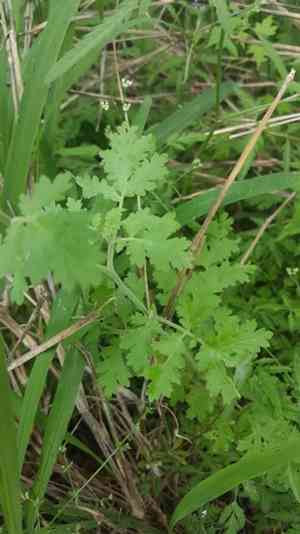
Relocate blue curls once winter's cold recedes, generally between the final freezes and the gentle arrival of spring. Select a bright spot featuring soil that drains effectively. Exercise caution during the transfer process to safeguard its fragile root system.
Necessary Preparations Before Relocating Blue Curls?
Optimal Period for Moving Blue Curls?
The best time to move blue curls is as winter's cold recedes, typically from early to mid-spring. This timing allows blue curls to root in cooler, moist soil, enhancing their chances for vigorous development once summer arrives. Transplanting blue curls during this period also aligns with their natural growth cycle, aiding a smooth transition and ensuring they thrive in their new spot.
Recommended Spacing Between Blue Curls Plants?
When moving your blue curls, provide ample space for growth by placing them 6-12 inches (15-30 cm) apart. This ensures each plant has sufficient room to develop without competing for nutrients and light.
Ideal Soil Mixture for Blue Curls Transplantation?
For your blue curls, choose soil that drains well and is rich in organic matter. Before transplanting, mix in a balanced, slow-release fertilizer to give your blue curls a strong start. Aim for a pH that is neutral to slightly acidic.
Where to Replant Your Blue Curls?
Select a sunny location for your blue curls that receives at least 6 hours of daylight. If you are in a very hot climate, a spot with partial afternoon shade will help shield your blue curls from intense heat.
Equipment to Prepare Before Transplanting Blue Curls?
Gardening Gloves
To safeguard your hands while handling soil and blue curls.
Shovel or Spade
For digging and moving the blue curls with minimal root disturbance.
Watering Can or Hose
To hydrate the blue curls before and after relocation to lessen shock.
Garden Trowel
For managing smaller blue curls or refining the planting hole.
Pruning Shears
To trim any damaged roots or foliage prior to transplanting.
Measuring Tape
To ensure correct spacing between the transplanted blue curls.
Wheelbarrow or Garden Cart
To transport the blue curls and soil, especially when moving multiple plants.
How to Extract Blue Curls from the Ground?
How to Extract Blue Curls from the Ground?
From Ground: Hydrate the blue curls to moisten the soil. Use a shovel or spade to dig a wide circle around the plant. Gently push the spade deep into the soil at an angle to scoop beneath the root ball, and lift the plant with as much soil as possible attached to the roots.From Pot: Water the blue curls to facilitate its removal. Turn the pot on its side, gently tap the edges, and carefully slide the plant out while supporting the soil and root ball with your hands.From Seedling Tray: Water the tray to soften the soil. Use a garden trowel or your fingers to gently lift the seedling by its leaves, not the stem, ensuring a good amount of soil comes with the root ball.
Step-by-Step Guide for Relocating Blue Curls
Hole Preparation
Dig a hole in the ground that is twice as wide and the same depth as the root ball of your blue curls.
Root Untangling
If the roots are tightly packed or pot-bound, gently separate them to encourage outward growth.
Plant Positioning
Place your blue curls in the center of the hole, ensuring it stands upright and at the same depth it was previously growing.
Soil Backfill
Carefully refill the hole with the excavated soil, gently firming it around the roots to eliminate large air pockets.
Watering In
Water the blue curls thoroughly to settle the soil around the roots and to help reduce transplant shock.
Mulching
Apply a layer of organic mulch around the base of your blue curls to help retain moisture and reduce weed competition.
Post-Transplant Care for Blue Curls
Consistent Watering
Maintain adequate moisture levels around the blue curls, especially during the initial weeks to aid root establishment.
Mulch Application
Replenish mulch as needed to conserve moisture and inhibit weed growth.
Gentle Fertilizing
Apply a balanced, slow-release fertilizer after a few weeks, only if growth appears slow, as excessive fertilization can harm young plants.
Pest and Disease Monitoring
Keep a close watch on your blue curls for any indications of stress or damage from pests or diseases and address these issues promptly.
Seasonal Care
As blue curls is an annual or biennial, remember it may need replacement after its life cycle concludes, or it might self-seed for the subsequent season.
Resolving Common Issues with Blue Curls Transplantation.
When is the best time to transplant blue curls for optimal growth?
Transplant blue curls during the ideal window from early to mid-spring, allowing them the full growing season to establish.
What is the best spacing when transplanting blue curls?
Ensure blue curls has ample room to flourish by spacing them 6-12 inches (15-30 cm) apart.
Why is my blue curls wilting after transplanting?
Wilting can occur due to transplant shock. Ensure careful handling, proper watering, and initially avoid intense sunlight.
How deep should I plant blue curls's roots?
Plant blue curls's roots at the same depth they were in their previous container to prevent stress.
Can I transplant blue curls on a hot day?
Avoid transplanting blue curls on hot days. Choose a cooler, overcast day or late afternoon to minimize stress.
What soil conditions does blue curls prefer post-transplant?
Post-transplant, blue curls thrives in well-draining, fertile soil to efficiently establish its new roots.
How much should I water blue curls after transplanting?
Water blue curls generously after transplanting to settle the soil around the roots, but prevent waterlogging.
Should I fertilize blue curls immediately after transplanting?
Wait a few weeks before fertilizing blue curls to allow it to recover from transplant before introducing nutrients.
How can I protect transplanted blue curls from pests?
Monitor for pests, and if necessary, use organic pest control methods.
Does blue curls require support structures post-transplant?
Blue curls generally doesn't need support, but shielding it from strong winds with a sheltered position can be beneficial.



