How to Transplant Parsley?
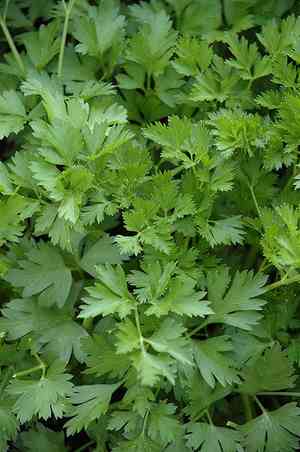
For optimal parsley relocation, select a bright day within the peak window of early to late summer. This guarantees the parsley flourishes in its new environment. Confirm adequate spacing, ample sunlight, and properly draining soil when moving the plant. Pick an appropriate site and tend to your parsley as needed.
What Preparations are Needed Before Transplanting Parsley?
What is the Ideal Time for Transplanting Parsley?
The optimal period for relocating parsley spans from early summer to its conclusion, a time of consistent warmth. Moving parsley during this interval promotes vigorous development, as the plant establishes itself in its new location under perfect weather conditions. Indeed, parsley flourishes remarkably at this time.
How Much Space Should You Leave Between Parsley Plants?
When transplanting parsley, it's advisable to maintain a separation of approximately 6-8 inches (15-20 cm). This provides ample room for growth, leading to robust and thriving plants.
What is the Best Soil Mix for Parsley Transplanting?
Preparing the soil for parsley involves incorporating well-draining, fertile soil with a pH between 6.0-7.0. A foundational fertilizer of compost or aged manure can be blended in to enhance the soil's nutrient content.
Where Should You Relocate Your Parsley?
For successful growth, ensure you transplant parsley to a site that receives abundant sunlight, meaning at least 6 hours of direct sun daily. Partial shade is also acceptable if direct sunlight is limited.
What Equipments Should You Prepare Before Transplantation Parsley?
Gardening Gloves
To safeguard your hands while handling soil and plants.
Trowel
For excavating small holes when moving seedlings or plants.
Shovel or Spade
Useful for digging larger holes and extracting plants from the ground.
Watering Can or Hose
To hydrate the plant both before and after its relocation.
Stakes or Supports (optional)
To offer stability for the plant if needed due to its growth habit or placement.
How Do You Remove Parsley from the Soil?
How Do You Remove Parsley from the Soil?
From Ground: First, moisten the parsley plant's soil with water. Next, use a shovel or spade to dig a wide trench around the plant, ensuring the root ball remains intact. Carefully work the spade beneath the root ball to lift the plant from its original spot.From Pot: Start by watering the parsley plant to help loosen the soil. Gently extract the plant from its pot by inverting it and tapping the pot's rim on a firm surface. To prevent stem damage, hold the plant by carefully grasping the base or root ball.From Seedling Tray: For parsley plants grown in seedling trays, water the tray first to dampen the soil. Then, use a small utensil like a fork or spoon to slide it under the root ball and lift the seedling out, taking care not to harm the roots and stem.
Step-by-Step Guide for Transplanting Parsley
Site Selection
Choose a location with adequate room for your parsley plant to reach its mature size, and consider any neighboring plants or other garden features that might impact its development.
Hole Preparation
Excavate a hole at least twice the width of the plant's root ball and as deep as its height using a trowel or shovel. Loosen the soil at the bottom and sides of the hole to facilitate root penetration.
Root Preparation
Examine the parsley plant's roots, trimming any damaged or entangled roots to encourage healthy growth. Gently separate the roots, especially if they were pot-bound in their previous container.
Placing the Plant
Position the parsley plant in the prepared hole, ensuring the top of the root ball is level with the surrounding soil. Adjust the hole's depth if necessary.
Filling the Hole
Fill the hole halfway with soil, then water it to help the soil settle. Finish filling the hole with soil, gently firming it around the plant to remove air pockets.
Watering and Support
Thoroughly water the newly transplanted parsley plant, and provide stakes or supports, if needed, to maintain its stability and promote upright growth.
How Do You Care For Parsley After Transplanting?
Watering
Keep the soil around the parsley consistently damp, but not waterlogged, for the initial weeks after transplanting to aid in establishing strong roots.
Mulching
Apply a 2-3 inch layer of organic mulch, such as straw, shredded leaves, or compost, around the base of the parsley plant to retain moisture and suppress weeds.
Feeding
Begin fertilizing the parsley plant with a balanced, slow-release fertilizer 4-6 weeks after transplanting, adhering to the package instructions for correct application rates.
Pruning
Regularly prune and pinch back parsley to encourage bushier growth and increased leaf production.
Pest and Disease Control
Frequently inspect the parsley plant for indications of pests or disease, and take appropriate measures as required, such as removing affected leaves or treating with a suitable organic pesticide.
Troubleshooting Common Issues with Parsley Transplantation.
When is the best time to transplant parsley?
The ideal period to move parsley is from the beginning of summer until its end. This provides ample warm weather for root establishment.
What's the ideal space to be maintained while transplanting parsley?
When relocating parsley, ensure a gap of 6-8 inches (15-20 cm) between each plant. This allows them sufficient room to grow without competition.
What type of soil is best for transplanting parsley?
Parsley thrives in well-drained, fertile soil. You can enrich the soil with organically rich compost for optimal results.
How much water does parsley require after transplant?
Parsley prefers consistently moist soil. Water regularly after transplanting, but avoid overwatering to prevent root rot.
What to do if my transplanted parsley appears wilted?
Do not be concerned! Temporary wilting after transplanting is normal. Keep the plant well-hydrated. If it persists, it might indicate root damage, requiring a careful inspection.
How deep should I plant parsley during a transplant?
The transplant hole for parsley should be deep enough to cover the root ball, ensuring the leaves remain above the soil surface.
Can I transplant parsley in a pot?
Absolutely! Parsley grows well in containers. Ensure the pot is sufficiently large, about 10 inches (25 cm) in diameter, with proper drainage.
Is it necessary to trim parsley before transplanting?
Trimming before transplanting is not obligatory, but it can reduce stress on the plant and facilitate the process. Prune approximately one-third of the plant.
What kind of sunlight exposure is required for parsley post-transplant?
Parsley enjoys full sun to partial shade. After transplant, it can initially be kept under partial shade to prevent transplant shock, before moving to a sunnier location.
Should I fertilize the parsley immediately after transplanting?
Wait 3-4 weeks after transplanting before beginning a regular fertilization routine. An organic, balanced fertilizer works wonders for parsley's growth.



