How to Transplant Lady's thumb?
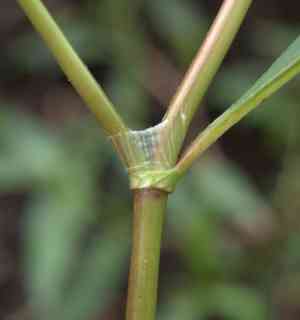
The optimal period for relocating lady's thumb is from the middle to the end of spring, extending into the initial part of summer. Select a site that offers either partial shade or full sunlight, making sure the ground is damp yet drains effectively. Gradually introduce lady's thumb to its new environment to encourage robust development.
What Preparations are Necessary Before Relocating Lady's Thumb?
What is the Optimal Period for Moving Lady's Thumb?
Relocate lady's thumb during the transition from mid to late spring or as early summer begins. This timeframe promotes root development due to moderate temperatures and consistent moisture.
How Much Clearance Should You Provide Between Lady's Thumb Plants?
When moving your lady's thumb, aim for a spacing of 1-2 feet (30-60 cm) between each plant. This provides ample room for them to expand and thrive without competing for nutrients or sunlight.
What is the Best Soil Mixture for Lady's Thumb Relocation?
The lady's thumb thrives in well-drained, slightly acidic to neutral soil. Before planting, enrich your soil with a foundational fertilizer, such as compost or aged manure. This helps boost soil nutrients and plant vigor.
Where Should You Replant Your Lady's Thumb?
Your lady's thumb benefits from full sunlight to partial shade for optimal development. Choose a spot in your garden that receives a balance of both. Remember, excessive sun or shade can negatively impact your plant's health.
What Tools Should You Prepare Before Relocating Lady's Thumb?
Gardening Gloves
To protect your hands while handling the plant and soil.
Shovel or Spade
To carefully excavate around the root ball of the lady's thumb plant when moving it from its original spot.
Gardening Trowel
For digging the hole at the new site and for refilling the hole with soil after positioning the lady's thumb.
Bucket or Wheelbarrow
This will be utilized for transporting the lady's thumb plant to its new location.
Watering Can
To hydrate the plant before and after its relocation.
Mulch
To aid in moisture retention and deter weeds around the lady's thumb plant post-relocation.
Garden Pruners
To trim any damaged or deceased parts of the plant if required.
How Do You Extract Lady's Thumb from the Soil?
How Do You Extract Lady's Thumb from the Soil?
From Ground: Initially, thoroughly water the lady's thumb plant to moisten the soil. Afterward, dig a wide trench around the plant using a shovel or spade, ensuring the plant's root ball remains undisturbed. Gradually work your spade beneath the root ball to lift the plant from its position.From Pot: For potted lady's thumb, begin by watering the plant. Then tilt the pot sideways, grasp the plant at its base, and gently pull. It should slide out with the root ball intact. Be gentle to avoid damaging the roots.From Seedling Tray: Water the lady's thumb seedlings prior to transplanting to keep the soil cohesive and minimize root damage. Gently push the seedling from underneath the tray or use a small tool to lift it, keeping the roots and surrounding soil undisturbed. Carefully hold it by its leaves, not the stem, as you prepare to move it.
Step-by-Step Guide for Relocating Lady's Thumb
Preparing the New Site
Prepare the new spot before extracting your lady's thumb. The hole should be broad and deep enough to accommodate the root ball without constricting it.
Extraction
Proceed with one of the extraction methods outlined above, depending on the current placement of your lady's thumb.
Transport
Move your lady's thumb to the new location using a bucket or wheelbarrow. Handle it carefully to prevent any stress or harm to the plant.
Positioning
Place the lady's thumb plant gently in the prepared hole. The top of the root ball should be level with or slightly below the ground surface.
Backfilling
Refill the hole with original soil or a suitable soil mix, gently firming it around the root ball.
Watering
Water your lady's thumb immediately after relocating. This helps to settle the soil and eliminate air pockets.
How Do You Care For Lady's Thumb After Relocation?
Watering
It is crucial to maintain a consistent watering schedule for your lady's thumb in the weeks following relocation. Ensure that the soil remains moderately moist, but not waterlogged. Excessive water can lead to root rot.
Mulching
Apply a layer of mulch around the base of lady's thumb. This will assist in retaining soil moisture and controlling weed competition.
Monitoring
Keep an eye out for any indications of relocation shock in your lady's thumb. These include wilting, yellowing, leaf drop, or stunted growth. If you observe any of these signs, provide additional care and consider consulting with a gardening specialist.
Pruning
If you notice any signs of damage or disease, such as yellow or brown leaves, lightly prune these using your garden pruners.
Troubleshooting Common Issues with Lady's Thumb Relocation.
When is the optimal time of year to relocate lady's thumb?
The best time to relocate lady's thumb typically falls between late Spring to early Autumn.
What is the appropriate distance to separate lady's thumb during relocation?
Ideally, lady's thumb should be spaced approximately 1-2 feet (30.48-60.96 cm) apart during relocation.
What should I do if the newly relocated lady's thumb appears to wilt?
Ensure the plant receives sufficient water without overwatering. The soil should be moist, but not saturated.
Should I amend the soil when relocating lady's thumb?
Absolutely! Enhancing your young plant's growth by incorporating nutrient-rich compost or all-purpose fertilizer at the site can be extremely beneficial.
How can I help my lady's thumb establish faster after relocation?
Providing the plant with a support stake, minimal direct sunlight exposure, and a wind-sheltered location can help it recover more quickly.
What is the ideal soil condition for relocating lady's thumb?
Lady's thumb prefers well-drained soil. However, they can adapt to a variety of soil conditions, which makes them a highly versatile species.
My relocated lady's thumb is not thriving, what could be amiss?
Check for pests, inadequate drainage, or extreme temperatures. Also, ensure the plant is not receiving too much direct sunlight.
How often should I water my relocated lady's thumb?
Your lady's thumb will require less frequent but deeper watering right after relocation. A good guideline is to ensure the soil is consistently damp, but not waterlogged.
What should I do if the relocated lady's thumb exhibits signs of distress?
Remove any distressed parts to prevent the spread of potential diseases. Ensure it's receiving proper water, sunlight, and nutrients.
Can I relocate lady's thumb in a container?
Yes! Just ensure your container is sufficiently spacious to accommodate growth, and that it has drainage holes to prevent water-logging. Remember to provide it with ample moisture and light!



