How to Transplant Avocado?
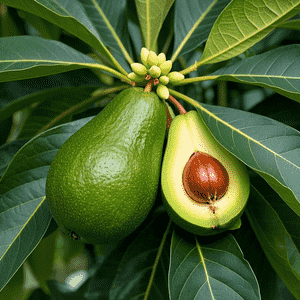
Relocate avocado trees optimally from mid-spring to late spring or mid-autumn to late autumn, periods when temperatures are more moderate. Select a site with good drainage that receives partial to full sunlight. Exercise caution to prevent harm to avocado's fragile root system during the relocation process to ensure successful establishment.
What Preparations are Needed Before Transplanting Avocado?
What is the Ideal Time for Transplanting Avocado?
The optimal period for relocating avocado is from mid-spring to late spring, or mid-fall to late fall. This offers a mild environment, encouraging development and establishment. Achieve a flourishing avocado by transplanting during these favorable periods!
How Much Space Should You Leave Between Avocado Plants?
When moving your avocado, ensure they are positioned approximately 15-20 feet (4.5-6 meters) apart from one another. This will guarantee ample room for their growth and prosperity!
What is the Best Soil Mix for Avocado Transplanting?
For a robust avocado, prepare the ground with a well-draining blend of loam and sandy soil, enriching it with a foundational fertilizer rich in phosphorus, potassium, and nitrogen. This will nourish your plant and foster vigorous growth.
Where Should You Relocate Your Avocado?
Select a site for your avocado that receives direct sunlight for at least 6 hours daily. This will aid your plant in growing strong and yielding a better harvest. Remember to steer clear of windy or frost-prone areas for optimal outcomes.
What Equipments Should You Prepare Before Transplantation Avocado?
Gardening Gloves
To safeguard your hands while handling soil and plants.
Shovel or Spade
For excavating the transplant hole and lifting the plant from its original spot.
Pruning Shears
To trim any damaged or dead roots prior to transplanting.
Trowel
To assist in digging small holes and incorporating soil amendments.
Measuring Tape
To ensure correct spacing between plants and other nearby structures.
Watering Can or Hose
To hydrate the plant both before and after relocation.
How Do You Remove Avocado from the Soil?
How Do You Remove Avocado from the Soil?
- From Ground:First, irrigate the avocado plant to moisten the soil. Next, excavate a wide trench around the plant using a shovel or spade, ensuring the plant's root ball remains intact. Carefully work the spade beneath the root ball to lift the plant from its initial location.- From Pot:Water the avocado plant thoroughly before commencing the transplant process. Gently compress the sides of the pot to loosen the soil and roots within. Incline the pot on its side and carefully slide the plant out, preserving the root ball's integrity.- From Seedling Tray:Water the avocado seedling tray to dampen its soil. Utilize a small trowel or your fingers to gently loosen the soil surrounding the seedling's roots. Carefully lift the avocado seedling by its root ball, taking care not to harm the delicate roots.
Step-by-Step Guide for Transplanting Avocado
Hole Preparation
Excavate a hole as deep as the root ball and twice its width. If the soil is dense, loosen the sides of the hole to encourage root expansion.
Root Inspection
Examine the root ball for any compromised or deceased roots and remove them with pruning shears. If the roots are tightly coiled, gently separate them to promote outward growth.
Soil Amendments
Incorporate a slow-release fertilizer or compost into the soil you've extracted from the hole. Backfill enough amended soil into the hole to ensure the root ball sits slightly elevated compared to the surrounding ground level.
Placement
Carefully position the avocado plant in the hole, ensuring it is upright and appropriately spaced from any adjacent plants or structures.
Backfilling
Fill the remaining void around the root ball with the amended soil, gently tamping down as you proceed to eliminate air pockets.
Watering
Thoroughly water the avocado plant to settle the soil around its roots.
How Do You Care For Avocado After Transplanting?
Watering
Maintain consistent moisture in the soil around the avocado, avoiding saturation, for the initial weeks post-transplant to aid in root establishment.
Mulching
Apply a layer of organic mulch around the base of the avocado plant to conserve moisture, regulate soil temperature, and inhibit weed growth.
Staking
If the avocado plant is tall or top-heavy, provide support with stakes or a cage to prevent it from falling over.
Monitoring
Regularly inspect the avocado plant for indications of stress, disease, or pests. Address any issues promptly to ensure the healthiest possible development.
Troubleshooting Common Issues with Avocado Transplantation.
When is the best time to transplant avocado?
Relocate avocado during mid to late spring or mid to late fall for optimal growth and development.
What is the ideal spacing for transplanting avocado?
Space avocado trees 15-20 feet (4.6-6.0 meters) apart to ensure proper growth and sufficient sunlight.
How deep and wide should I dig the hole for transplanting avocado?
Excavate a hole at least twice the width and the same depth as the root ball of avocado.
Should I amend the soil when transplanting avocado?
Yes, incorporate compost or aged manure to improve the soil's water retention, drainage, and fertility.
How much water should I provide after transplanting avocado?
Thoroughly water avocado immediately after transplanting to settle the soil and remove air pockets.
What's the proper way to remove avocado from its container before transplanting?
Gently loosen the soil, tilting and sliding avocado out. Avoid yanking or pulling on the stem.
How can I protect avocado from transplant shock?
Water consistently, provide shade for a few days, and avoid pruning for the first few weeks.
What should I do if avocado shows signs of transplant stress?
Ensure adequate watering, protect from wind and sun damage, and consider applying root stimulant.
When can I expect to see new growth on my transplanted avocado?
Avocado may show new growth within a few weeks, but it could take months for some trees.
How should I care for avocado during its first year of transplanting?
Regularly water avocado, maintain proper spacing, mulch to retain moisture, and address pests or diseases promptly.



