How to Transplant Russian sage?
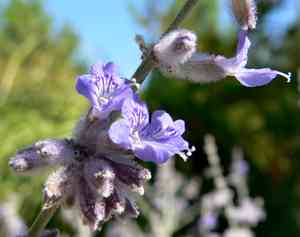
The ideal period for relocating Russian sage is in the gentle climate of early spring. Select a spot that receives ample sunlight and possesses good drainage for a successful transfer. When required, ensure consistent watering, taking care to avoid excessive moisture. Enjoy your transplanting!
What Preparations are Needed Before Transplanting Russian Sage?
What is the Ideal Time for Transplanting Russian Sage?
The optimal period to relocate russian sage is at the onset of spring. This early start allows the plant ample opportunity to settle and establish itself prior to summer. By doing so, russian sage strengthens and blooms beautifully throughout the season, offering a captivating display. With our helpful advice, let's provide this exquisite perennial a new home!
How Much Space Should You Leave Between Russian Sage Plants?
For russian sage, an optimal spacing between each plant would be approximately 3-4 feet (0.9-1.2 meters). This enables your plants to flourish by providing sufficient room for growth and adequate airflow to prevent diseases.
What is the Best Soil Mix for Russian Sage Transplanting?
Prior to transplanting russian sage, prepare the soil by incorporating a well-draining soil mixture with a neutral pH. Add a balanced, slow-release fertilizer to the base of the planting hole to supply essential nutrients.
Where Should You Relocate Your Russian Sage?
When selecting a site for your russian sage, remember its love for sunlight! Aim to plant it in a location where it will receive at least 6-8 hours of direct sunlight daily, which will ensure the best growth and flowering potential.
What Equipments Should You Prepare Before Transplantation Russian Sage?
Gardening Gloves
To safeguard your hands when handling soil and the russian sage plant.
Hand Pruners
To trim and cut the roots and stems of the russian sage plant.
Gardening Shovel or Trowel
To excavate holes and move soil during the transplantation of the russian sage plant.
Watering Can with Rain Head
To irrigate your russian sage plant as needed following transplantation.
Gardening Fork
To loosen the soil before relocating.
How Do You Remove Russian Sage from the Soil?
How Do You Remove Russian Sage from the Soil?
From Ground: First, water the russian sage plant to moisten the soil. Then, using your gardening shovel or trowel, dig a wide trench around the plant, being careful not to disturb the plant's root ball. Gently lift the russian sage plant out of its hole ensuring most or all of the roots come along.From Pot: Water the russian sage plant thoroughly to facilitate its removal from the pot. Turn the pot sideways and tap it gently. The plants and their root balls should slide right out. If the plant is stuck, you may need to run a thinner trowel or knife around the inside edge of the pot to loosen the roots.From Seedling Tray: Moisten the potting mix in the tray. Use a spoon or small trowel to carefully lift the seedlings, including their roots and surrounding soil, out of the tray.
Step-by-Step Guide for Transplanting Russian Sage
Size of Hole
Excavate a hole twice as wide and equally as deep as the russian sage's root ball.
Preparation of the Plant
Trim any damaged roots on the russian sage plant with your hand pruners. Also, remove any dead or diseased stems or leaves.
Transplanting
Position the russian sage plant in the hole, keeping the top of the root ball level with the soil surface. Back-fill soil into the hole, ensuring there are no air pockets. Gently firm the soil around the base of the russian sage plant with your hands.
Watering
Thoroughly water the plant after transplanting. This allows the ground to settle around the plant's roots.
Monitor
Keep a close watch on your transplanted russian sage for the next couple of weeks.
How Do You Care For Russian Sage After Transplanting?
Frequent Monitoring
Check on the russian sage plant regularly. Indicators of successful transplantation include new growth or the absence of wilting. If the russian sage appears withered, it may require more water or less sun, or it could be reacting to transplant shock and should recover in time.
Pruning
Lightly prune the russian sage plant after transplanting to encourage a fuller, bushier appearance.
Caution Against Overwatering
While the russian sage plant needs adequate water, excessive watering can lead to root rot. Consider using a moisture meter to accurately water your plant.
Troubleshooting Common Issues with Russian Sage Transplantation.
What is the best time to transplant russian sage?
The most opportune time to relocate russian sage is early spring, just as the growing season commences.
How do I decide the best location when transplanting russian sage?
Russian sage thrives in full sun to partial shade, with well-drained soil. Avoid waterlogged areas to prevent root rot.
How much space should I provide between russian sage transplants?
For healthy growth, maintain a distance of 3-4 feet (about 1-1.2 meters) between russian sage transplants. This promotes good air circulation.
Can I transplant russian sage in a pot?
Certainly, russian sage can grow in a pot, but ensure it's sufficiently large, approximately 1 foot (30 cm) in diameter, and has proper drainage.
What care should be taken immediately after transplanting russian sage?
Immediately after transplanting, ensure russian sage is thoroughly watered. Keep the soil consistently moist, not saturated, to aid root establishment.
Is it necessary to trim russian sage before transplanting it?
Trimming isn't strictly essential, but it helps russian sage direct its energy towards rooting. Cut back by 1/3 to 1/2 for improved results.
Should I enrich the soil before transplanting russian sage?
Russian sage isn't particular about soil, but adding organic compost can improve soil structure and nutrient content, assisting growth.
What signs should I look for to know russian sage is well-established after transplanting?
Russian sage's successful establishment can be identified by healthy new growth, no leaf drop, and resilience even during dry periods.
How can I protect a newly transplanted russian sage from harsh weather?
Utilize garden fleece or a similar protective covering if severe frosts or intense sun are anticipated shortly after transplanting.
What if I notice signs of distress like wilt or yellow leaves in russian sage after transplanting?
If you observe wilting or yellow leaves, review the watering regimen and soil quality. Adjust if necessary, and consider a balanced fertilizer to help russian sage recover.



