How to Transplant Chinese silk vine?
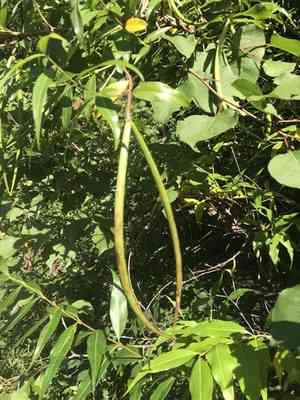
The optimal period for transplanting chinese silk vine spans from early spring's onset through its peak flowering phase. Choose a bright spot featuring soil that drains effectively. Careful management of the root system and sufficient hydration after transplantation will guarantee a smooth adaptation.
Essential Preparations Before Relocating Chinese Silk Vine
Optimal Period for Moving Chinese Silk Vine?
The window from the emergence of initial buds to the peak of spring's bloom is ideal for relocating chinese silk vine. Shifting chinese silk vine during this timeframe leverages the mild temperatures and increasing daylight, fostering strong root development and adaptation. This timing allows chinese silk vine to become established prior to summer's heat, facilitating a smoother transition and vigorous growth. Ensuring chinese silk vine finds its new spot in this season promises a healthy beginning, tapping into the plant's natural vitality cycle.
Required Spacing Between Chinese Silk Vine Plants?
When planning the placement for your chinese silk vine, each specimen will require ample room to thrive. Aim to position each plant approximately 5-6 feet (1.5 to 1.8 meters) apart. This provides each chinese silk vine sufficient area to establish without crowding, promoting healthy development.
Best Soil Mixture for Chinese Silk Vine Relocation?
Before planting your chinese silk vine, prepare the site with soil that drains effectively. If feasible, target a loamy composition. Improve your soil with a balanced, slow-release fertilizer to give your chinese silk vine an excellent start. This preliminary work ensures a foundation rich in nutrients for growth.
Optimal Location for Your Chinese Silk Vine?
For your chinese silk vine, select a site that receives full sun to partial shade. This will offer your plant the perfect light balance for successful growth. Avoid areas of deep shade, as this could impede the health and flowering of your chinese silk vine.
Tools Required Before Relocating Chinese Silk Vine
Gardening Gloves
To safeguard your hands while handling soil and the plant.
Shovel or Spade
For excavating the plant and preparing the new planting site.
Watering Can or Hose
To hydrate the chinese silk vine both before extraction and after replanting.
Pruning Shears
For trimming any dead or damaged roots and stems.
Wheelbarrow or Garden Cart
For safely moving the chinese silk vine to its new position.
Garden Trowel
To refine the planting hole and add soil around the root mass.
Garden Fork
To loosen and aerate the soil in the new planting area.
Mulch
To assist in regulating soil temperature and retaining moisture.
Stake or Plant Support
To offer stability to the chinese silk vine if needed post-transplantation.
How to Extract Chinese Silk Vine from the Ground?
How to Extract Chinese Silk Vine from the Ground?
From Ground: First, hydrate the chinese silk vine to moisten the soil, making it easier to manage. Use a shovel or spade to dig a wide circle around the chinese silk vine, ensuring the root ball stays intact. Carefully slide the shovel beneath the root ball to lift the chinese silk vine from its original spot.From Pot: Begin by watering the chinese silk vine, then invert the pot and gently tap its sides and bottom to loosen the soil. Carefully pull the chinese silk vine from the pot by grasping the base of the stems, not the stems themselves.From Seedling Tray: Water the seedlings to ensure the soil is damp. Use a garden trowel or similar tool to gently pry the chinese silk vine seedling out of the tray, making sure to keep the root ball and soil together.
Step-by-Step Instructions for Relocating Chinese Silk Vine
Preparation
Thoroughly water the chinese silk vine several hours before relocation to minimize stress and simplify root separation.
Digging the Hole
Using a shovel, excavate a hole in the new spot that is twice as wide and equally deep as the chinese silk vine's root ball.
Placing the Plant
Carefully position the chinese silk vine in the center of the hole, gently spreading its roots. Ensure the root crown (where roots meet stem) is at ground level.
Refilling the Hole
Partially backfill the hole with the excavated soil, carefully removing any air pockets by gently firming the soil around the roots by hand.
Final Adjustments
Once the chinese silk vine is correctly placed, fill the remainder of the hole with soil and water thoroughly to settle the soil around the roots.
Adding Mulch
Apply a layer of mulch around the base of the chinese silk vine, keeping it a few inches away from the stem to prevent rot.
Staking if Necessary
If the chinese silk vine is tall or top-heavy, provide support with a stake or plant support, ensuring it is not tied too tightly.
Post-Transplant Care for Chinese Silk Vine
Watering
Water the chinese silk vine generously after transplanting to settle the soil and provide moisture for the roots. Continue to water regularly, allowing the soil to become slightly dry between waterings.
Pruning
Trim away any dead or damaged stems or leaves to encourage new growth and a more robust chinese silk vine.
Support
Periodically check stakes or supports to ensure their effectiveness and that they are not harming the chinese silk vine. Adjust as needed.
Observation
Monitor the chinese silk vine for indications of stress, such as wilting or discolored leaves, and respond appropriately with proper care or adjustments.
Resolving Common Issues with Chinese Silk Vine Relocation.
When is the best time to move chinese silk vine?
Relocate chinese silk vine from mid to late spring, when the soil is warm and manageable.
What distance should I maintain between chinese silk vine plants?
Space chinese silk vine 5-6 feet (1.5-1.8 meters) apart to ensure adequate growth and air circulation.
Why is my chinese silk vine wilting after being moved?
Wilting can occur if roots are excessively disturbed. Ensure gentle handling and sufficient watering post-relocation.
How deep should the hole be for transplanting chinese silk vine?
Dig a hole twice as wide and the same depth as the root ball to facilitate easy root expansion.
Can chinese silk vine be transplanted in full sun?
Yes, chinese silk vine thrives in full sun but ensure it's well-hydrated, especially after being moved.
How do I prepare the soil for chinese silk vine relocation?
Enrich the soil with compost or well-rotted manure to supply nutrients for chinese silk vine's development.
What if chinese silk vine doesn't flower after transplanting?
Be patient; chinese silk vine may require time to establish. Ensure it's in a sunny location with well-draining soil.
How much should I water chinese silk vine after transplant?
Water chinese silk vine thoroughly after transplanting and keep the soil moist, not waterlogged, for the initial weeks.
Is it normal for chinese silk vine leaves to yellow after transplanting?
Some leaf yellowing is typical due to transplant shock. If it persists, check for overwatering or poor drainage.
Can I transplant chinese silk vine near other plants?
Yes, but respect the 5-6 feet (1.5-1.8 meters) spacing and consider the light and water requirements of adjacent plants.



