How to Transplant Peperomia?
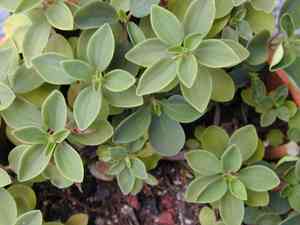
The most favorable period for relocating peperomia extends from the flourishing energy of late spring into the height of mid-summer, facilitating strong root development. Select areas with ample, diffused illumination and advise on reducing root disruption to achieve successful adaptation.
What Preparations are Needed Before Transplanting Peperomia?
What is the Ideal Time for Transplanting Peperomia?
The optimal period for moving your peperomia is during the gentle warmth of late spring through to the sunny midsummer days. This timeframe offers perfect growth conditions, with consistent, mild temperatures and naturally increasing daylight. Relocating your peperomia then leverages its active growth phase, enabling it to establish new roots more easily and flourish in its new spot. The favorable climate during this time aids healing and adaptation post-transplant, ensuring your peperomia has the best start in its fresh home. A successful transplant during this prime window allows your peperomia the entire summer to strengthen itself before autumn's chill.
How Much Space Should You Leave Between Peperomia Plants?
When preparing to rehouse your peperomia, remember to provide ample room between them. Aim for approximately 6-12 inches (15-30 cm). This additional space helps your plants breathe and thrive without feeling cramped.
What is the Best Soil Mix for Peperomia Transplanting?
Before peperomia settles into its new location, incorporate a well-draining soil blend with some peat moss. Starting with a mild, all-purpose fertilizer will provide your peperomia with the necessary initial boost!
Where Should You Relocate Your Peperomia?
Peperomia prefers a bright location without direct, intense sunlight. An east or west-facing window would be an ideal spot, where they can absorb the gentle morning or afternoon light.
What Equipments Should You Prepare Before Transplantation Peperomia?
Gardening Gloves
To safeguard your hands while handling peperomia and the growing medium.
Spade or Shovel
For excavating the plant and preparing the new planting site.
Hand Trowel
Useful for working around smaller root systems and confined areas.
Pruning Shears
To trim any damaged roots or foliage prior to relocation.
Watering Can or Hose
For hydrating peperomia before and after moving it.
Wheelbarrow
To transport the peperomia and soil if the new planting location is not close by.
Measuring Tape
To gauge the root ball and the depth of the new planting hole.
Mulch
To assist in retaining moisture and regulating soil temperature post-transplant.
How Do You Remove Peperomia from the Soil?
How Do You Remove Peperomia from the Soil?
From Ground: Thoroughly water the peperomia before beginning. Carefully dig a circle around the plant with a spade, leaving ample space to avoid harming the root system. Pry beneath the root ball and gently lift peperomia from the ground.From Pot: Water the peperomia to facilitate easier removal. Invert the container and tap the bottom or sides to loosen the plant. Support the peperomia by its base and carefully pull the plant out.From Seedling Tray: Moisten the soil in the seedling tray. Use a hand trowel or similar tool to extract the peperomia from its compartment. Handle the seedling by its leaves rather than the delicate stem.
Step-by-Step Guide for Transplanting Peperomia
Prepare New Site
Excavate a hole in the ground approximately twice the width and the same depth as the root ball of peperomia.
Root Pruning
Inspect the roots and use pruning shears to remove any that are damaged or diseased.
Positioning peperomia
Place peperomia in the center of the hole, ensuring it stands upright and at the same depth it was previously growing.
Fill In Soil
Backfill the hole with soil, gently placing it around the roots of peperomia. Firm the soil around the plant's base to stabilize peperomia.
Water Immediately
Water peperomia generously right after planting to help settle the soil and eliminate air pockets around the roots.
Apply Mulch
Spread a layer of mulch around peperomia, keeping it away from the stem to prevent rot and conserve moisture.
How Do You Care For Peperomia After Transplanting?
Immediate Watering
Water the peperomia thoroughly to aid recovery from transplant shock and ensure good root contact with the new soil.
Regular Monitoring
Check on peperomia daily, observing for signs of stress such as wilting or discolored leaves, and adjust care as needed.
Gentle Fertilization
After a few weeks, apply a mild fertilizer to encourage growth, ensuring it is suitable for peperomia based on prior information.
Pruning
Trim away any dead or dying leaves to help peperomia direct its energy towards new growth.
Support Stakes
If peperomia is taller or susceptible to wind damage, use support stakes to help stabilize it while its roots establish.
Troubleshooting Common Issues with Peperomia Transplantation.
When's the best time to transplant peperomia?
The ideal period is from late spring to mid-summer, allowing for optimal root establishment.
How deep should the new pot be for transplanting peperomia?
Select a pot 1-2 inches (2.5-5 cm) deeper than the current one to provide roots with room to expand.
What's the ideal space between peperomia when planting in the ground?
Space them optimally at 6-12 inches (15-30 cm) to ensure sufficient airflow and growth.
How often should I water peperomia after transplanting?
Water thoroughly once, then maintain slightly moist soil without waterlogging for the initial few weeks.
What soil mix is recommended for transplanting peperomia?
Utilize a well-draining, peat-based potting mix to accommodate peperomia's preference for moisture without sogginess.
Are there signs I'm overwatering peperomia post-transplant?
Yes, look for yellowing leaves or a soft stem, which indicate excessive watering.
What should I do if peperomia's leaves droop after transplanting?
This is often a shock response. Keep the soil moist and in indirect light; recovery should follow.
Does peperomia need fertilizer right after transplanting?
Wait 4-6 weeks before fertilizing to avoid overwhelming the newly adjusting roots.
How do I protect peperomia from transplant shock?
Avoid direct sunlight and extreme temperatures; keep the plant stable and in a comforting environment.
Can I prune peperomia during transplanting?
Light pruning is acceptable, but focus on removing only dead or damaged leaves to minimize stress.



