How to Transplant Baby rubber plant?
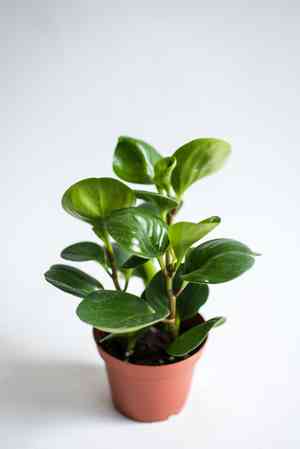
The ideal period for relocating your baby rubber plant is from mid-spring to late spring or during autumn, since the temperatures are conducive to the plant's development. Select a site with good drainage and ample, diffused sunlight for optimal outcomes. Ensure it has adequate room and sufficient distance from other plants to encourage robust development.
What Preparations are Needed Before Transplanting Baby Rubber Plant?
What is the Ideal Time for Transplanting Baby Rubber Plant?
Move baby rubber plant in mid to late spring or mid to late autumn, when temperatures are mild and stable. This promotes strong root development and vigorous growth, ensuring the plant thrives in its new spot.
How Much Space Should You Leave Between Baby Rubber Plant Plants?
For transplanting baby rubber plant, a healthy spacing of about 1 foot (30 cm) between plants is recommended. This provides ample room for expansion and proper air circulation around the plant.
What is the Best Soil Mix for Baby Rubber Plant Transplanting?
Utilize well-draining, fertile soil with a slightly acidic to neutral pH (6.0 to 7.0) for baby rubber plant. Incorporate compost for added nutrients and a slow-release, balanced fertilizer like 10-10-10 as a base.
Where Should You Relocate Your Baby Rubber Plant?
Select a site for baby rubber plant that receives bright, indirect sunlight. East or north-facing exposure is optimal, providing 4-6 hours of daily sun. Avoid direct afternoon sun to prevent leaf burn.
What Equipments Should You Prepare Before Transplantation Baby Rubber Plant?
Gardening Gloves
To safeguard your hands when handling soil and baby rubber plant.
Shovel or Garden Spade
For excavating the planting hole, extracting the plant from the ground, or moving it from its original container to the soil.
Hand Trowel
For refining the hole's dimensions and shape, and for gently removing the plant from its initial container if needed.
Pruning Shears
For trimming any damaged or dead foliage and stems prior to transplanting.
Garden Fork
For loosening the soil around the planting area and breaking up any compacted earth.
Watering Can or Hose
For hydrating the plant both before and after the transplant procedure.
Organic Compost or Aged Manure
To enrich the planting site with nutrients, helping the plant establish itself in its new position.
Mulch Material (e.g., bark chips, pine needles or straw)
To aid in moisture retention and regulate soil temperature around the plant.
How Do You Remove Baby Rubber Plant from the Soil?
How Do You Remove Baby Rubber Plant from the Soil?
- From Ground:First, water the baby rubber plant to moisten the soil. Then, dig a wide trench around the plant using a shovel or spade, ensuring the plant's root ball remains intact. Carefully work the spade under the root ball to lift the plant from its original location.- From Pot:Water the baby rubber plant well before transplanting, so the soil is damp but not overly wet. This will facilitate easy removal without root damage. Invert the pot, support the plant by gently holding the stem base, and tap the pot's rim on a firm surface. The plant should slide out with the soil and root ball intact.- From Seedling Tray:Once baby rubber plant seedlings have developed several true leaves, they are ready for transplanting. Slide a garden trowel or spoon beneath the seedling, lifting it from the tray without disturbing the roots. Be careful to keep the soil and root ball intact during this process.
Step-by-Step Guide for Transplanting Baby Rubber Plant
Hole Preparation
Excavate a hole in the prepared garden bed that is twice the width and equal in depth to the baby rubber plant's root ball.
Soil Enrichment
Add several inches of organic compost or aged manure to the bottom of the hole, then use a garden fork to blend these nutrients with the soil.
Placement
Gently position the baby rubber plant into the planting hole, ensuring its root ball rests at the same level as the surrounding soil. Spread out the roots if necessary.
Fill
Backfill the planting hole with the excavated soil, gently firming it around the root ball to eliminate air pockets.
Water
Thoroughly water the plant, allowing it to settle into its new location. This will also help remove air pockets in the soil.
Mulch
Apply a layer of mulch around the base of the baby rubber plant, leaving a gap between the mulch and the plant's stem. This will help retain soil moisture and regulate temperatures.
How Do You Care For Baby Rubber Plant After Transplanting?
Watering
Keep the soil around the baby rubber plant consistently moist, but not waterlogged, for the initial weeks post-transplant to aid in strong root establishment. Avoid overwatering, as this can lead to root rot.
Pruning
Inspect the baby rubber plant for any signs of stress or damage from the transplanting process. Remove any dead, damaged, or yellowing leaves to encourage new growth and help the plant conserve energy.
Fertilizing
Wait a few weeks after transplanting before applying a balanced, slow-release fertilizer to promote healthy growth and recovery. Be sure to follow the package instructions for proper application rates.
Pest and Disease Control
Regularly check the baby rubber plant for indications of pests or diseases. Address any issues promptly with appropriate organic or chemical control methods to prevent further harm.
Support
If needed, provide support for the baby rubber plant using stakes, cages, or trellises to prevent damage from strong winds or the plant's mature weight.
Troubleshooting Common Issues with Baby Rubber Plant Transplantation.
When is the best time to transplant baby rubber plant?
The optimal period for relocating baby rubber plant is during mid to late spring or mid to late autumn.
What is the ideal spacing between baby rubber plant plants?
When transplanting baby rubber plant, maintain a distance of approximately 1 foot (30 cm) between plants.
How should I prepare the soil for transplanting baby rubber plant?
Before transplanting, ensure the soil is well-draining, slightly acidic to neutral with a pH of 6.0-6.5, and enriched with organic matter.
What are the steps to transplant baby rubber plant properly?
First, carefully extract baby rubber plant from its current container. Loosen the soil, dig a hole, and position the plant. Backfill the hole with soil, water it, and adjust as necessary.
How deep should the hole be for transplanting baby rubber plant?
Dig a hole deep enough to accommodate baby rubber plant's root ball, typically about 6 inches (15 cm) in depth.
How to care for baby rubber plant after transplanting?
Water regularly, but avoid excessive watering. Provide indirect sunlight, and fertilize with a balanced liquid feed monthly.
What if baby rubber plant shows signs of distress after transplanting?
Monitor the plant for proper watering, adequate lighting, and signs of pests or diseases. Adjust conditions accordingly.
Can I propagate baby rubber plant while transplanting?
Yes, simply cut a healthy leaf stem and plant it in moist soil after allowing it to callous for a day.
How big should the new pot be for baby rubber plant?
Select a container that is 1-2 inches (2.5-5 cm) larger in diameter than the current pot, with drainage holes.
Do I need to prune baby rubber plant before or after transplanting?
Pruning is not essential, but removing any damaged or unhealthy leaves during the transplanting process can help the plant establish better.



