How to Transplant Watermelon peperomia?
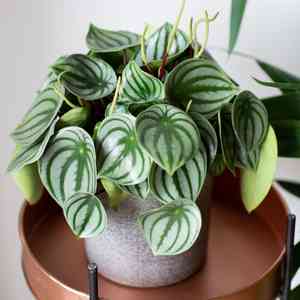
The ideal period for relocating watermelon peperomia is at the transition from early to mid-spring, enabling it to flourish throughout the active growth phase. When performing the transplant, select a site that offers good drainage and receives filtered light. Bear in mind, a delicate approach ensures watermelon peperomia remains undisturbed during its relocation.
What Preparations are Needed Before Transplanting Watermelon Peperomia?
What is the Ideal Time for Transplanting Watermelon Peperomia?
For watermelon peperomia, the optimal transplanting period occurs with nature's revival, between early and mid-spring. This timing is vital for providing watermelon peperomia with a strong start to the growing season, offering ample warmth and sunlight.
How Much Space Should You Leave Between Watermelon Peperomia Plants?
For watermelon peperomia, ensure adequate room for each plant to flourish. Aim for a separation of 6-8 inches (15-20 cm) between individual plants when relocating them.
What is the Best Soil Mix for Watermelon Peperomia Transplanting?
When preparing the substrate for watermelon peperomia, select a well-draining potting blend rich in organic matter. A combination of peat moss, perlite, and compost is effective. Remember to incorporate a slow-release fertilizer as well!
Where Should You Relocate Your Watermelon Peperomia?
For successful development, watermelon peperomia prefers bright, indirect illumination. When transplanting, choose a location where it will receive filtered light from a nearby window, or position it under a shade cloth outdoors.
What Equipments Should You Prepare Before Transplantation Watermelon Peperomia?
Gardening Gloves
To safeguard your hands while handling soil and the plant.
Trowel
To excavate a small cavity in the ground for relocating the watermelon peperomia.
Shovel or Spade
To extract the watermelon peperomia plant from its initial ground position.
Watering Can or Garden Hose
To thoroughly hydrate the plant before and after its relocation.
Pruning Shears
To trim any damaged or excess growth from the plant prior to transplanting.
Organic Fertilizer or Compost
To enrich the planting site for the watermelon peperomia plant's root establishment.
How Do You Remove Watermelon Peperomia from the Soil?
How Do You Remove Watermelon Peperomia from the Soil?
From Ground: First, moisten the watermelon peperomia plant's soil. Then, excavate a wide trench around the plant using a shovel or spade, ensuring the plant's root ball remains intact. Carefully maneuver the spade beneath the root ball to lift the plant from its original spot.From Pot: Gently compress the pot, or use your hands or a trowel to loosen the soil along the pot's edges. Invert the pot and carefully slide the watermelon peperomia plant's root ball out, taking care not to harm the roots.From Seedling Tray: If the watermelon peperomia plant is in a seedling tray, dampen the soil and carefully lift the seedling by grasping its leaves, not the stem, to prevent damage. Use a trowel or your fingers to gently separate the root ball, carefully removing surrounding soil to minimize root disturbance.
Step-by-Step Guide for Transplanting Watermelon Peperomia
Site Selection
Select a spot with adequate sunlight and room for your watermelon peperomia plant to reach its mature size.
Soil Preparation
Aerate the soil in the transplanting area and incorporate organic material such as compost or aged manure, ensuring proper drainage and nutrient availability.
Planting Hole
Use a trowel to dig a cavity slightly larger and deeper than the watermelon peperomia's root ball.
Fertilization
Add a balanced organic fertilizer or compost to the base of the hole. Mix it with the existing soil to encourage robust root development.
Transplanting
Position the watermelon peperomia plant into the prepared hole, ensuring the top of the root ball is level with the surrounding soil surface. Gently backfill the hole with soil, pressing it down firmly to eliminate air pockets without over-compacting the soil.
Watering
Thoroughly water the watermelon peperomia plant immediately after transplanting, allowing the water to slowly penetrate the root zone.
How Do You Care For Watermelon Peperomia After Transplanting?
Watering
Keep the soil around the watermelon peperomia consistently moist, but not waterlogged, for the initial weeks post-transplant to aid in strong root establishment.
Fertilization
Apply a balanced organic fertilizer or compost every 4-6 weeks during the active growth period, adhering to package instructions for application rates.
Pruning
Regularly remove any dead, damaged, or excessive growth from the watermelon peperomia to promote good air circulation and maintain a healthy, compact form.
Pest and Disease Control
Closely monitor the watermelon peperomia for indications of pests or diseases and take appropriate action if necessary, such as applying an insecticidal soap or employing organic methods to address common issues.
Troubleshooting Common Issues with Watermelon Peperomia Transplantation.
When is the best time to transplant watermelon peperomia?
The optimal period for relocating your beautiful watermelon peperomia is from early spring to mid-spring.
What is the recommended spacing when transplanting watermelon peperomia?
For thriving growth of watermelon peperomia, maintain a separation of 6-8 inches (15-20 cm) between each plant.
What should I consider when choosing a pot for transplanting watermelon peperomia?
Select a container with effective drainage. It should be sufficiently spacious for watermelon peperomia root expansion, but not excessively large.
Do I need to water watermelon peperomia immediately after transplanting?
Yes, to help the watermelon peperomia acclimate to its new environment, provide it with a thorough watering. However, avoid overwatering!
What type of soil is suitable for transplanting watermelon peperomia?
Watermelon peperomia prefers well-draining soil. A mixture of peat moss and perlite or coarse sand would be beneficial for this plant.
How much sunlight does watermelon peperomia need after transplanting?
Watermelon peperomia enjoys a good amount of light, but not direct sun exposure. Excessive sunshine can cause leaf scorching, so exercise caution!
What should I do if the leaves of watermelon peperomia are wilting after transplantation?
Wilting may indicate water stress. Ensure you water your watermelon peperomia appropriately. However, do not oversaturate the soil, as this could lead to root rot.
What temperature is ideal for watermelon peperomia after transplantation?
Watermelon peperomia flourishes in temperatures between 65-75°F (18-24°C). Extreme temperatures can stress the plant, so avoid overly cold or hot conditions.
Does watermelon peperomia require fertilizers after transplantation?
Yes. A gentle application of a balanced, water-soluble fertilizer can assist in the recovery and growth of watermelon peperomia following transplantation.
How much time does watermelon peperomia take to settle after transplantation?
Typically, watermelon peperomia should begin to establish itself in approximately 2-3 weeks after transplantation. If not, it might require a bit more tender loving care.



