How to Transplant Egyptian starcluster?
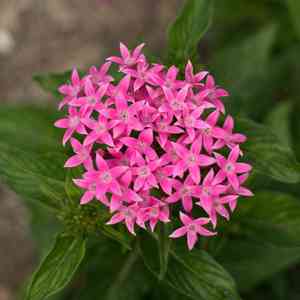
To achieve optimal outcomes, relocate egyptian starcluster during their most vigorous period, specifically from the beginning of summer through its conclusion. Select a site featuring soil that drains effectively, ample air movement, and direct sunlight. Bear in mind that robust root development guarantees a flourishing egyptian starcluster cultivation!
What Preparations are Needed Before Transplanting Egyptian Starcluster?
What is the Ideal Time for Transplanting Egyptian Starcluster?
The optimal window for relocating egyptian starcluster spans from the beginning to the end of summer. This timeframe offers warm soil, promoting vigorous development. Such timing is crucial for ensuring the egyptian starcluster thrives and blooms. Prepare the ground beforehand for best outcomes.
How Much Space Should You Leave Between Egyptian Starcluster Plants?
To allow your egyptian starcluster ample room to develop, position them 12-18 inches (30-45 cm) apart during transplantation. This spacing guarantees sufficient area for them to flourish and produce beautiful flowers!
What is the Best Soil Mix for Egyptian Starcluster Transplanting?
For optimal results, select well-draining soil with a pH level between 6.1 and 7.8. Incorporate some organic compost or aged manure as a foundational fertilizer, which will supply vital nutrients for your egyptian starcluster.
Where Should You Relocate Your Egyptian Starcluster?
To ensure a vibrant, colorful egyptian starcluster, select a site that receives full sun or partial shade. They require a minimum of 6 hours of sunlight daily, so observe the sun's path to identify the perfect location!
What Equipments Should You Prepare Before Transplantation Egyptian Starcluster?
Gardening Gloves
To safeguard your hands from dirt or injury while handling the egyptian starcluster plant.
Shovel or Trowel
For excavating the hole in the ground where the egyptian starcluster plant will be moved.
Bucket or Wheelbarrow
To move the egyptian starcluster plant from its original spot to the new one.
Watering Can
To hydrate the egyptian starcluster plant after its relocation.
Mulch
To assist in retaining soil moisture following transplantation.
How Do You Remove Egyptian Starcluster from the Soil?
How Do You Remove Egyptian Starcluster from the Soil?
From Ground: Start by thoroughly watering the egyptian starcluster plant to moisten the soil, which facilitates easier removal and reduces root stress. Using your shovel or trowel, carefully dig a wide circle around the plant, taking care not to harm the root ball. Slowly and gently begin to lift the egyptian starcluster plant from the ground by its roots.From Pot: Water the egyptian starcluster plant completely. Tilt the pot sideways, hold the plant gently by its base, and carefully ease it out of the pot, including all soil and roots.From Seedling Tray: Water the tray, then carefully extract the seedling along with its root ball, ensuring no damage to the roots.
Step-by-Step Guide for Transplanting Egyptian Starcluster
Hole Preparation
Dig a hole twice the width and equal to the depth of the egyptian starcluster plant's root ball. The plant should sit even with or slightly above the surrounding ground.
Plant Placement
Carefully position the egyptian starcluster plant in the hole. Spread its roots within the hole and ensure the top of the root ball is level with or slightly higher than the surrounding soil.
Backfilling
Refill the hole with soil, gently pressing down to eliminate any air pockets.
Watering
Water the egyptian starcluster plant thoroughly after transplanting; this aids in settling the soil around the roots.
Mulching
Apply a layer of mulch around the plant's base to help maintain soil moisture and shield it from temperature extremes.
How Do You Care For Egyptian Starcluster After Transplanting?
Continued Watering
In the days following transplant, ensure the soil of the egyptian starcluster plant remains consistently moist but not waterlogged.
Guard Against Pests
Monitor for pests and diseases, as egyptian starcluster plants can be vulnerable after the stress of transplanting. Employ mild, eco-friendly treatments if necessary.
Pruning
Promote denser growth by pinching off the tips of the egyptian starcluster plant several weeks post-transplant. This will encourage the plant to become more bushy and compact.
Troubleshooting Common Issues with Egyptian Starcluster Transplantation.
When should I transplant my egyptian starcluster?
The ideal period to transplant your egyptian starcluster is from early summer through its conclusion.
How much space should be between the egyptian starcluster when planting?
For optimal development, egyptian starcluster should be spaced 12-18 inches (30-45 cm) apart. This guarantees they receive adequate sunlight and nutrients.
Why are my egyptian starcluster wilting after transplanting?
Egyptian starcluster may wilt due to transplant shock. Water them thoroughly and keep their soil moist to aid in faster recovery.
What is the correct depth to plant a egyptian starcluster?
Plant the egyptian starcluster at the same depth it was in its previous container. Planting too deep or too shallow can harm the roots.
Can I transplant egyptian starcluster in the spring?
While feasible, transplanting egyptian starcluster in early to late summer encourages optimal growth. Transplanting outside this timeframe might negatively impact their health.
Why does my egyptian starcluster have yellow leaves after transplanting?
Yellow leaves on a egyptian starcluster indicate stress, often from insufficient watering, excessive watering, or sudden temperature shifts. Examine these factors and adjust as needed.
What soil type is best when transplanting egyptian starcluster?
Egyptian starcluster prefers a well-drained organic soil type. To enhance drainage, incorporate organic matter or compost into your planting area before transplanting.
How often should I water a newly transplanted egyptian starcluster?
Initially, water egyptian starcluster generously to establish its root system. Subsequently, maintain a regular watering schedule to keep the soil consistently moist.
Do egyptian starcluster need sunlight immediately after transplanting?
Yes, egyptian starcluster thrive in sunlight. Place them in a location where they receive at least six hours of direct sunlight daily.
Should I use a growth hormone for transplanting egyptian starcluster?
Rooting hormones can assist with the establishment of new egyptian starcluster transplants but are not strictly essential. Their use largely depends on individual preference.



