How to Transplant Foxglove beardtongue?
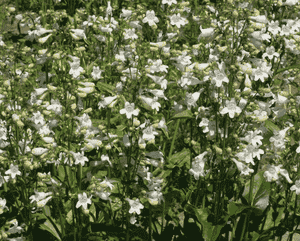
The ideal period for relocating foxglove beardtongue is from late summer to early autumn. These seasonal circumstances foster vigorous root development. Confirm the location possesses adequately draining earth and receives ample to moderate sunlight. Careful management of the root system is crucial for a successful transfer!
Essential Preparations Before Relocating Foxglove Beardtongue
Optimal Period for Foxglove Beardtongue Relocation?
Moving foxglove beardtongue from late summer to early autumn, or as temperatures cool, is ideal. This timeframe allows root establishment prior to winter. The mild weather also lessens transplant shock. Your foxglove beardtongue will certainly appreciate this timely transfer!
Recommended Spacing Between Foxglove Beardtongue Plants?
When moving foxglove beardtongue, aim for a spacing of approximately 12-18 inches (30-45 cm). This provides ample room for growth and expansion without resource competition, fostering a beautiful, thriving plant.
Ideal Soil Blend for Foxglove Beardtongue Transplanting?
For foxglove beardtongue, prepare well-draining soil by mixing gardening loam with sand or perlite. Incorporate a balanced slow-release fertilizer to supply vital nutrients. This will create an excellent environment for your plant.
Choosing a New Site for Your Foxglove Beardtongue?
Select a garden spot where foxglove beardtongue will receive full sun to partial shade. This means at least 6 hours of daily sunlight. This will help your plant flourish and produce lovely blooms annually.
Tools Required Before Transplanting Foxglove Beardtongue?
Gardening Gloves
To safeguard your hands while handling soil and the foxglove beardtongue plant.
Shovel or Spade
For digging, lifting, and moving the foxglove beardtongue plant.
Watering Can
Used for watering before and after the transplant.
Gardening Trowel
For excavating smaller holes and relocating seedlings or small potted plants.
Pruning Shears
To trim any damaged roots and leaves prior to transplanting.
Mulch
To aid in moisture retention and weed suppression around the newly transplanted foxglove beardtongue.
How to Extract Foxglove Beardtongue from its Current Location?
How to Extract Foxglove Beardtongue from its Current Location?
From Ground: First, moisten the soil around the foxglove beardtongue plant. Then, use a shovel or spade to dig a wide trench around the plant, ensuring the root ball remains intact. Carefully work the spade beneath the root ball to lift the plant from its original spot.From Pot: First, water the foxglove beardtongue in its container to facilitate its release. Gently tilt the pot sideways and tap the rim on a firm surface to loosen the soil. Carefully slide the plant out, keeping the root ball undisturbed.From Seedling Tray: Water the foxglove beardtongue seedlings to dampen the soil. Use a gardening trowel to gently loosen the soil around each seedling. With your fingers or a small tool, carefully lift the seedling from the tray, ensuring roots and soil remain together.
Step-by-Step Guide for Relocating Foxglove Beardtongue
Digging
Excavate a hole in your chosen planting area that is sufficiently wide and deep to accommodate the foxglove beardtongue root ball, allowing space for growth.
Preparing the Plant
Inspect the foxglove beardtongue root ball and use pruning shears to remove any damaged or tangled roots. Also, remove any broken or withered leaves before transplanting.
Placing the Plant
Carefully position the foxglove beardtongue plant in the hole, with the top of the root ball level with the surrounding ground. Gently spread the roots outwards, ensuring they are not circling or intertwined.
Filling the Hole
Backfill the hole with soil, taking care to maintain the root ball's level, and gently firm the soil with your hands to eliminate any air pockets.
Watering
Water the foxglove beardtongue plant generously immediately after transplanting to help settle the soil and encourage root development.
Mulching
Apply a layer of mulch around the base of the foxglove beardtongue plant to help retain moisture and inhibit weed growth.
Post-Transplant Care for Foxglove Beardtongue?
Watering
Maintain consistent soil moisture for the foxglove beardtongue during the initial weeks after transplanting, while avoiding over-watering to prevent root rot.
Pruning
Trim back any damaged or excessively long branches that may result from transplant shock or growth.
Monitoring
Observe the foxglove beardtongue for any indications of transplant shock, such as yellowing or wilting leaves. If these symptoms persist, consider providing additional care or relocating the plant to ensure its vitality.
Fertilizing
Wait a few weeks after transplanting the foxglove beardtongue before applying fertilizer, allowing the roots to establish themselves in the new environment first.
Addressing Common Issues During Foxglove Beardtongue Transplantation.
When is the best time to move foxglove beardtongue?
The ideal period to transplant foxglove beardtongue is from late summer to early autumn.
How far apart should foxglove beardtongue be spaced when moved?
Ideally, plants should be positioned 12-18 inches (30-45 cm) apart. This provides foxglove beardtongue ample room to grow and thrive.
What if my foxglove beardtongue struggles to adapt after being replanted?
Allow it some time. If the plant shows no signs of recovery after several weeks, you might need to re-evaluate its location, soil, and watering conditions.
Does foxglove beardtongue require special soil preparation for transplanting?
Foxglove beardtongue thrives in well-drained soil. Consider enriching the soil with compost before transplanting to enhance nutrient content.
How much water does foxglove beardtongue need immediately after being transplanted?
After transplanting, water foxglove beardtongue thoroughly to aid root establishment. Subsequently, ensure regular watering but avoid saturating the soil.
What depth should I plant foxglove beardtongue when transplanting?
Transplant foxglove beardtongue at the same depth it was in its original pot. This prevents its root system from being overly exposed or buried too deeply.
Should I prune foxglove beardtongue during transplanting?
Pruning is not essential, but it helps redirect energy to the roots. Ensure it's light pruning and not a drastic reduction of the plant.
What happens if I transplant foxglove beardtongue during an unsuitable season?
Moving foxglove beardtongue out of season may stress the plant and negatively impact its growth. Therefore, adhering to late summer or early fall is highly recommended.
What temperature range is suitable for transplanting foxglove beardtongue?
Foxglove beardtongue doesn't have strict temperature requirements for transplanting, but avoid extreme heat or cold. Aim for moderate conditions.
How can I ensure the survival of foxglove beardtongue after transplanting?
Be patient, provide appropriate care, and monitor the plant. Avoid overwatering or underwatering, check soil health, and protect it from harsh weather.



