How to Transplant Ivy geranium?
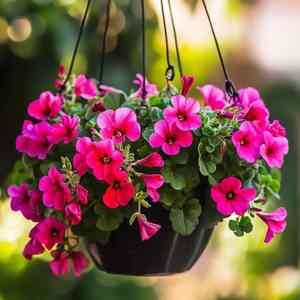
To achieve the best development, relocate ivy geranium during the prime period of mid-to-late summer. Select a bright spot to maximize the potential of these sun-adoring plants. Ensure adequate distance between plants when moving them to guarantee proper air circulation. Enjoy your transplanting!
What Preparations are Needed Before Transplanting Ivy Geranium?
What is the Ideal Time for Transplanting Ivy Geranium?
The optimal period to relocate your ivy geranium spans from mid-summer through late summer. This timing provides prime conditions for development as the plant thrives in the intense warmth and sunlight of this season. By moving ivy geranium at this point, it benefits from extended blooming periods and robust establishment. Remember, preparing your ivy geranium for relocation involves proper spacing, adequate sun exposure, and soil that drains well. So, let's capitalize on these beautiful sunny days and enhance your garden with the vibrant addition of ivy geranium.
How Much Space Should You Leave Between Ivy Geranium Plants?
When relocating ivy geranium, it's crucial to allow sufficient room for their growth and flourishing. Ideally, position the plants 8-12 inches (20-30 cm) apart, which provides ample space for development and healthy air circulation.
What is the Best Soil Mix for Ivy Geranium Transplanting?
To prepare the soil for ivy geranium, select a well-draining medium, ideally with a loamy or sandy texture. Mix a balanced, slow-release fertilizer into the soil before planting. This will supply essential nutrients for vigorous growth and vivid blooms.
Where Should You Relocate Your Ivy Geranium?
Select a sunny location to move your ivy geranium, as they prefer bright light. A spot receiving at least 6 hours of daily sunlight, preferably morning sun, is perfect. However, they can also endure partial shade if necessary.
What Equipments Should You Prepare Before Transplantation Ivy Geranium?
Gardening Gloves
To protect your hands while working with the soil and plant material.
Spade or Transplanting Trowel
These tools are used to excavate an appropriate hole in the garden for the ivy geranium plant.
Garden Pruners
These will help in trimming any damaged roots or stems.
Watering Can
For ensuring the plant remains adequately hydrated before and after the relocation process.
Compost
Crucial for enriching the new garden soil, which will aid ivy geranium in growing healthy and strong.
How Do You Remove Ivy Geranium from the Soil?
How Do You Remove Ivy Geranium from the Soil?
From Ground: Start by thoroughly watering the ivy geranium plant to moisten the soil, making extraction easier. Use a spade or a transplanting trowel to dig a wide trench around the ivy geranium plant, aiming to keep the plant's root ball intact. Then, carefully slide the spade beneath the root ball and lift the plant from its original spot.From Pot: Begin by watering the ivy geranium plant well in its container. This will loosen the soil and facilitate easy removal. Invert the pot and gently tap it to dislodge the soil, allowing the plant to slide out smoothly. Be careful not to pull the plant forcefully, as this could harm the roots.From Seedling Tray: Water the ivy geranium plant and push the bottom of the cell containing the plant. This should release both the plant and its root ball from the cell. Be gentle and avoid pulling the plant out, as this could potentially damage the delicate roots.
Step-by-Step Guide for Transplanting Ivy Geranium
Preparation
Prepare the new site by digging a hole that is twice as wide and the same depth as the ivy geranium plant's root ball. Enhance the hole with compost.
Transplanting
Gently place the ivy geranium plant into the prepared hole and backfill with the enriched garden soil, ensuring the plant is at the same depth it was in its previous location.
Settling
Firmly pat the soil around the ivy geranium plant to eliminate any air pockets, but avoid over-compacting the soil.
Watering
After the relocation process, water the ivy geranium plant thoroughly, saturating the entire root zone, but try to keep the leaves dry to prevent diseases.
How Do You Care For Ivy Geranium After Transplanting?
Regular Watering
Initially, the ivy geranium plant will require daily watering as its roots strive to establish themselves in the new soil. However, reduce to typical watering patterns once the plant has settled. When you water, ensure the entire root zone becomes moist.
Pruning
Trim any dead or damaged leaves or branches to redirect the plant's energy towards new growth.
Observation
Monitor for any indications of transplant shock, such as wilting or yellowing leaves. Consult a local nursery for advice if this occurs.
Troubleshooting Common Issues with Ivy Geranium Transplantation.
What is the best time to transplant ivy geranium?
The optimal period to relocate ivy geranium is from mid to late summer, when the heat is less intense.
How far apart should I space my ivy geranium plants when transplanting?
Spacing is crucial for healthy development! Position each ivy geranium 8-12 inches (20-30 cm) apart. This distance will ensure adequate growth room.
Should I water ivy geranium immediately after transplanting, and how much?
Yes, water ivy geranium generously right after relocation. The plant needs to settle into its new environment and establish root connections. Make the soil uniformly moist.
What kind of soil is best for transplanting my ivy geranium?
Ivy geranium prefer well-draining soil rich in organic matter. Avoid soil that is too dense or clayey, as it can impede root growth and drainage.
What kind of sunlight exposure does ivy geranium need after transplanting?
Ivy geranium require bright, indirect light. Avoid direct sunlight immediately after relocation as it may cause scorching.
How can I prevent transplant shock in my ivy geranium?
Minimize transplant shock by reducing root disturbance during relocation. Also, maintain a consistent watering schedule and shield the plant from harsh weather conditions.
How deep should I dig the hole for transplanting ivy geranium?
When relocating, dig a hole that is twice the width and the same depth as the root ball of ivy geranium. This allows roots to spread easily.
What is the suitable pot size for transplanting ivy geranium?
Choose a container that is 1-2 sizes (2-4 inches or 5-10 cm) larger than the current one. This provides ivy geranium roots with ample space to grow.
Should I prune ivy geranium before or after transplaning?
It's best to lightly prune ivy geranium before relocation. This reduces stress on the plant and allows it to focus its energy on re-establishing roots.
What should I do if my ivy geranium starts wilting after transplanting?
Wilting can indicate transplant shock. Keep the soil moist but avoid overwatering. Ensure the plant is not exposed to extreme temperatures or direct sunlight.



