How to Transplant Rose geranium?
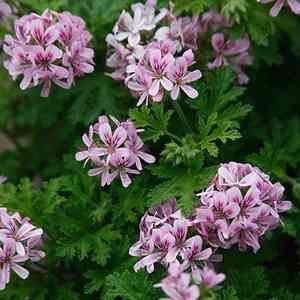
The ideal period for relocating rose geranium is throughout the pleasant weather of late spring into early summer. This resilient perennial flourishes in a bright, adequately draining environment. Be certain to select a site that fulfills these requirements to guarantee robust and flourishing development.
What Preparations are Needed Before Transplanting Rose Geranium?
What is the Ideal Time for Transplanting Rose Geranium?
The optimal period for relocating rose geranium spans from late spring to early summer. This timeframe provides the perfect blend of warmth and sunlight, allowing rose geranium to establish roots comfortably and flourish. By doing so, you will furnish rose geranium with the prime growing conditions it requires to bloom beautifully. Its fragrant, vibrant flowers will be a delightful reward!
How Much Space Should You Leave Between Rose Geranium Plants?
When moving rose geranium, remember to provide ample room for their growth and development. A spacing of approximately 8-10 inches (20-25 cm) between plants is ideal, offering sufficient space for these lovely perennials.
What is the Best Soil Mix for Rose Geranium Transplanting?
For rose geranium, a well-draining, loamy or sandy soil type is most suitable. Prior to transplanting, incorporate some organic compost or a slow-release granular fertilizer to supply essential nutrients for robust growth.
Where Should You Relocate Your Rose Geranium?
Rose geranium thrives in sunlight! Select a garden spot that receives a minimum of 6 hours of direct sun daily. This will ensure your rose geranium grows vigorously and produces its finest blooms.
What Equipments Should You Prepare Before Transplantation Rose Geranium?
Gardening Gloves
To safeguard your hands while handling soil and rose geranium.
Shovel or Spade
To excavate the hole for transplanting and extract the plant from its original spot.
Trowel
A smaller implement useful for digging around the root ball and relocating smaller plants.
Watering Can or Hose
To hydrate the plant both before and after its relocation.
Compost
To supply nutrients and enhance soil structure once the plant is in its new position.
Mulch
To aid in retaining soil moisture post-transplanting.
How Do You Remove Rose Geranium from the Soil?
How Do You Remove Rose Geranium from the Soil?
From Ground: Start by watering the rose geranium plant to soften the earth, then use your shovel to dig around the plant. Be careful to keep the root ball and as much of the surrounding soil intact as possible. Once you've dug all the way around the plant, carefully slide your shovel under the root ball and gently lift it from the hole.From Pot: Water the plant thoroughly. Place one hand on top of the soil with the stem between your fingers. Invert the pot and gently tap it to dislodge the plant. Carefully slide the rose geranium out of the pot, keeping the root ball intact.From Seedling Tray: Thoroughly drench the tray with water to facilitate seedling removal. Use a small tool, such as a spoon or fork, to carefully lift the seedling from the tray, again preserving the root system.
Step-by-Step Guide for Transplanting Rose Geranium
Digging
Begin by excavating a hole in the new location. The hole should be twice as wide and just as deep as the rose geranium plant's root ball.
Preparation
Prepare the hole by adding a thin layer of compost to it. This will provide the roots with nutrients as they establish in their new environment.
Transplanting
Carefully position the rose geranium into the hole, ensuring the top of the root ball is level with the surrounding soil.
Backfilling
Fill in around the root ball with soil, gently pressing it down as you proceed.
Watering
After transplanting, thoroughly water the rose geranium, ensuring the moisture reaches the root zone.
How Do You Care For Rose Geranium After Transplanting?
Watering
Water the rose geranium plant regularly after transplanting. It should be kept moist, but not waterlogged. Reduce watering as the plant begins to establish in its new location.
Pruning
Prune the rose geranium moderately after transplantation. This lessens the plant's water requirements and promotes new growth. Wait a few weeks before starting regular pruning.
Monitoring for Stress
Keep a close watch on the rose geranium for indications of transplant shock, such as wilting leaves or stunted growth. If you observe these signs, ensure the plant is receiving adequate water and consider applying a thin layer of organic mulch to help retain moisture.
Troubleshooting Common Issues with Rose Geranium Transplantation.
What's the best time of year to transplant rose geranium?
The ideal period for relocating rose geranium typically falls from late spring to the beginning of summer.
What's the prime distance between each rose geranium during transplantation?
Ensure a gap of approximately 8-10 inches (20-25 cm) between each rose geranium to allow ample space for growth.
Why does my transplanted rose geranium seem unwell?
Your rose geranium might be experiencing transplant shock. Ensure sufficient watering but avoid overwatering, proper sun exposure, and ideal soil conditions to aid in its recovery.
How should I prepare soil for transplanting rose geranium?
Rose geranium prefers well-draining soil. Incorporate some organic matter to enrich nutrient levels to ensure optimal growth during transplantation.
Should I prune rose geranium before transplanting?
Pruning isn't mandatory but it can help alleviate stress on the plant by reducing the amount of foliage. Just carefully remove the very top of the plant.
How deep should the hole be when transplanting rose geranium?
Ensure the hole is about twice the width of the root ball and just as deep. This encourages healthy root expansion of rose geranium.
What should I do if leaves of the transplanted rose geranium start turning yellow or brown?
Yellow or brown leaves can indicate stress or a watering issue. Monitor your plant's water intake, soil dryness, and check for drainage problems.
How frequently should I water the transplanted rose geranium?
Rose geranium likes consistent moisture so water it thoroughly after transplanting and keep the soil damp, but not soggy. Adjust as per the climate.
Should I use a growth stimulator after transplanting rose geranium?
A growth stimulator can enhance root development and reduce transplanting stress, although it's not essential. Use as instructed on the package.
How much sunshine does a transplanted rose geranium need?
Rose geranium thrives in full sunlight. Ensure your transplanted rose geranium gets at least 6 hours of direct sunlight daily for healthy growth.



