How to Transplant Indian warrior?
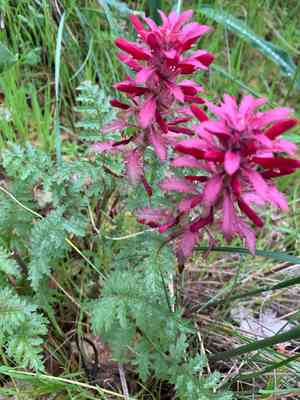
The optimal time for moving indian warrior is during the early to mid-spring, as the garden begins to stir. Select a location that replicates indian warrior's natural habitat—a partially shaded area, preferably beneath larger bushes or trees. During the transplantation process, exercise caution to safeguard its fragile root system.
What Preparations are Needed Before Transplanting Indian Warrior?
What is the Ideal Time for Transplanting Indian Warrior?
The best period for moving indian warrior is the onset of early to mid-spring. This timing aligns with the plant's natural growth cycle, allowing it to establish itself under milder temperatures and benefit from spring rains. Relocating indian warrior during this window supports a strong root system before the stress of summer heat, ensuring your indian warrior thrives in its new location.
How Much Space Should You Leave Between Indian Warrior Plants?
When arranging your garden for indian warrior, remember to give them plenty of 'room to grow! Aim for spacing each plant about 12-18 inches (30-46 cm) apart. This will ensure each indian warrior has enough space to flourish without overcrowding.
What is the Best Soil Mix for Indian Warrior Transplanting?
For indian warrior, you'll want to cultivate a happy home with rich, well-draining soil. Add some compost or a balanced, slow-release fertilizer to the mix before planting. This preparation will give your indian warrior a nutritious start!
Where Should You Relocate Your Indian Warrior?
Your indian warrior will love a spot that gets partial sunlight. Find a location that enjoys morning light but gets some afternoon shade, as this will mimic indian warrior's natural environment and keep it thriving.
What Equipments Should You Prepare Before Transplantation Indian Warrior?
Gardening Gloves
To protect your hands while working with the soil and plant.
Shovel or Spade
For digging and lifting the plant.
Watering Can or Hose
To water the plant before and after the transplant.
Garden Trowel
For fine-tuning the planting hole.
Pruning Shears
To trim any damaged roots or foliage.
Wheelbarrow or Plant Carrier
To transport the plant safely from one location to another.
Soil Aerator
To loosen the soil at the new planting site (if soil is compact).
Mulch
To help retain soil moisture and regulate temperature around the root zone after transplanting.
Rooting Hormone (optional)
To encourage root growth in the new location, if deemed necessary.
How Do You Remove Indian Warrior from the Soil?
How Do You Remove Indian Warrior from the Soil?
From Ground: Water the indian warrior plant to dampen the soil around the root zone. Using a shovel, dig a generous circumference around the plant, being sure to go far enough out to avoid severing important root structures. Carefully work the spade underneath to lift the whole plant, including its root ball, with minimal disturbance.From Pot: Water the indian warrior thoroughly to ensure the soil is moist, making it easier to slide out. Tip the pot sideways and gently tap or squeeze to loosen the plant. Carefully withdraw the plant by pulling at the base of the stems, or turn the pot upside down while supporting the plant with your other hand.From Seedling Tray: Water the seedlings well before transplanting. Use a garden trowel or similar tool to ease each seedling out of its cell, being careful to handle by the leaves rather than the delicate stem to prevent damage.
Step-by-Step Guide for Transplanting Indian Warrior
Preparation
Choose a cloudy day or late afternoon to reduce stress on the indian warrior. Ensure you have all tools and supports at hand before starting.
Digging the Hole
In the determined spot, dig a hole that's twice as wide and the same depth as the root ball of the indian warrior, using the shovel or garden trowel.
Placing the Plant
Position the indian warrior in the center of the hole, spreading the roots outwards. The top of the root ball should be level with the surrounding ground.
Backfilling
Carefully backfill the hole with the extracted soil, firming it down lightly around the indian warrior to eliminate air pockets.
Watering
Thoroughly water the indian warrior immediately after planting to settle the soil and provide essential moisture for the roots.
Mulching
Apply a layer of mulch around the base of indian warrior to conserve moisture and keep the root system warm.
How Do You Care For Indian Warrior After Transplanting?
Monitoring
Check the firmness of the soil around the indian warrior a few days after transplanting and gently firm down if it has settled too much.
Mulching
Maintain a mulch layer to conserve moisture and provide insulation for roots.
Watering
Maintain consistent moisture levels around indian warrior without waterlogging the soil, particularly during dry spells.
Pruning
Trim any damaged or dying foliage to direct energy to root establishment.
Supports
Provide a stake or support if indian warrior shows signs of leaning or instability.
Troubleshooting Common Issues with Indian Warrior Transplantation.
What's the optimal transplanting time for indian warrior?
The best time to transplant indian warrior is during early to mid-spring, when the soil is warm.
How far apart should indian warrior be spaced when transplanting?
Aim to space indian warrior about 12-18 inches (30-45 cm) apart to ensure healthy growth and air circulation.
What soil conditions favor indian warrior after transplanting?
Transplant indian warrior into well-draining soil enriched with compost to provide proper nutrients and moisture.
Why are my transplanted indian warrior wilting?
Wilting after transplanting could be due to root shock or insufficient watering. Gently increase watering and avoid direct sunlight.
How do I ensure my transplanted indian warrior doesn't succumb to frost?
Shield indian warrior with mulch or frost cloths if unexpected frost occurs post-transplant. Optimal care during the right season minimizes risk.
How deep should I plant indian warrior during transplantation?
Plant indian warrior so that the root ball is level with the soil surface, not deeper or shallower, to encourage proper growth.
Can indian warrior be transplanted in late spring?
Late spring transplanting is feasible but ensure indian warrior has adequate water and partial shade to avoid stress from hotter days.
How to identify if indian warrior has root rot after transplanting?
If indian warrior's leaves yellow or it wilts persistently despite proper watering, inspect the roots for blackened or mushy texture.
When should I water indian warrior after transplanting?
Water indian warrior immediately after transplanting to settle the soil and provide moisture to stressed roots, then regularly as needed.
Could transplanting stress impact indian warrior's blooming?
Transplant stress can delay blooming. Minimize impact by transplanting during ideal conditions and providing consistent care.



