How to Transplant Empress tree?
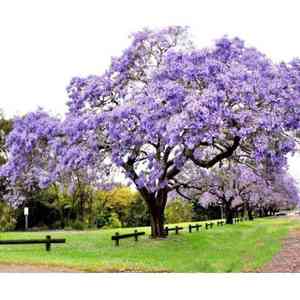
For the empress tree, the ideal period for relocation is during its inactive phase, which reduces shock. Select a site that receives ample sunlight and possesses soil with good drainage. Exercise caution to preserve the root system's wholeness throughout the transfer for optimal outcomes.
Preparations Required Before Relocating Empress Tree
Optimal Period for Empress Tree Relocation?
The perfect time to move empress tree is during its winter dormancy, allowing it to establish roots in a mild environment. This timely shift promotes a strong spring resurgence, ensuring smooth adaptation to its new spot. Choose this season for successful transplantation, so empress tree awakens vigorously in its new home, ready to flourish in the upcoming warmth.
Recommended Spacing Between Empress Tree Plants?
For empress tree, I'd suggest maintaining a distance of about 12-15 feet (3.6-4.6 meters) between each plant. This guarantees ample room for growth, spread, and adequate sunlight. Remember, an overcrowded garden can lead to resource competition.
Best Soil Mixture for Empress Tree Transplanting?
When preparing soil for empress tree, ensure it drains well. Mix organic compost into the soil to boost its fertility. Also, add a slow-release, granular fertilizer for foundational nutrients to support healthier growth.
Ideal Location for Empress Tree Relocation?
Find a sunny spot in your garden for empress tree. These plants thrive in sunlight, so a location with abundant sun is perfect. However, they can also endure partial shade. Monitor them; if leaves begin to yellow, they might need a bit more shade.
Equipment Needed Before Transplanting Empress Tree
Gardening Gloves
To safeguard your hands while handling soil and excavating the roots of the empress tree.
Spade or Shovel
For digging an appropriate hole for the empress tree transplant and loosening the plant's roots at its original site.
Pruning Shears
To trim any damaged roots or overgrown branches of the empress tree during transplantation. Ensure these are cleaned before and after use to prevent disease spread.
Watering Can or Hose
To adequately hydrate the empress tree in its new location post-transplant.
Organic Mulch
To help maintain soil moisture after transplanting the empress tree.
How to Extract Empress Tree from the Soil?
How to Extract Empress Tree from the Soil?
From Ground: First, water the empress tree a day prior to transplanting to make the soil easier to work with and potentially lessen plant shock. Using a shovel or spade, dig a wide trench around the plant, ensuring the root ball remains intact. Carefully work the spade beneath the root ball to lift the plant from its original spot. Trim any damaged roots with pruning shears.From Pot: Water the empress tree a few hours before transplanting to moisten the soil. Turn the pot on its side and gently slide the plant out, keeping the root-ball as intact as possible. Loosen the outer roots if they are circling the root ball.From Seedling Tray: Water the tray before transplanting, then gently remove the empress tree directly by its leaves, not stems, as stems are too fragile and can easily break from the tray, ensuring as much of the root system is intact.
Step-by-Step Guide for Empress Tree Transplantation
Preparation
Water the empress tree thoroughly the day before you plan to transplant. This will help minimize transplantation shock.
The Hole
Dig a hole at the new site – it should be twice as wide as the empress tree's root ball, but no deeper than the root ball's height to prevent burying the plant too deeply.
Placement
Gently lower the empress tree into the hole, ensuring the top of its root ball is level with or slightly below ground, then backfill the hole with native soil.
Watering & Mulching
Water the empress tree thoroughly and apply an organic mulch around the plant's base – but not touching it – to help retain moisture and suppress weeds.
Post-Transplant Care for Empress Tree
Watering
Keep the soil around the empress tree consistently moist, but not waterlogged, for the initial weeks after transplanting to aid root establishment in its new environment.
Pruning
Remove any damaged or diseased branches after the empress tree has been transplanted, but avoid extensive pruning during the first year of growth to allow the plant to focus on developing a strong root system.
Monitoring
Regularly check the empress tree for signs of transplant shock, such as drooping leaves or stunted growth. If these symptoms persist, consult a local nursery or extension service for guidance.
Addressing Common Empress Tree Transplantation Issues
When is the best time to transplant empress tree for optimal results?
The ideal time to transplant empress tree is from late winter to early spring (S10-S12) for best growth.
How much space should I provide between each empress tree during transplanting?
Ensure you allow approximately 12-15 feet (3.6-4.6 meters) between each tree; this provides them ample room to grow.
What type of soil is most suitable for empress tree transplantation?
Empress tree isn't particular about soil types, but well-drained, fertile soil enhances growth. Avoid water-logged or extremely dry soils.
How deep should I dig the hole for empress tree transplanting?
Dig a hole roughly twice the size of the root ball, ensuring it's about 1-2 feet (30-60 cm) deep.
What if my empress tree shows signs of wilting after transplanting?
Wilting can be due to shock or insufficient water. Ensure your empress tree is well-watered and protected from excessive heat or cold.
Does empress tree require any specific care before transplantation?
Water your empress tree generously a day before transplantation. This helps keep the roots moist and reduces transplant shock.
What should I do if my empress tree doesn't grow after transplanting?
Patience is crucial. However, if there's no improvement after a few weeks, inspect the plant's roots for disease, and ensure it's receiving adequate water and sunlight.
Can I transplant empress tree in the summer?
It's not advisable. Ideally, transplant empress tree during late winter to early spring (S10-S12) when the plant is dormant.
Why do the leaves of my newly transplanted empress tree turn yellow?
Yellowing leaves often indicate overwatering or poor drainage. Adjust watering accordingly and ensure the soil drains well.
How much water does empress tree need after transplanting?
Water thoroughly after transplanting, then regularly to keep the soil moist but not water-logged. Adjust based on weather and soil conditions.



