How to Transplant Dragon tree?
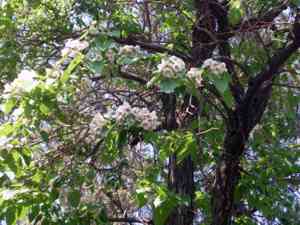
Dracaena draco flourishes when relocated between the beginning and end of spring, enabling its root system to settle prior to the warmth of summer. Select a bright area with soil that drains effectively for optimal outcomes. Verify that the new site provides sufficient room for its extensive development.
What Preparations are Needed Before Transplanting Dragon Tree?
What is the Ideal Time for Transplanting Dragon Tree?
Moving dragon tree during early to mid-spring is perfect. This period aligns with the end of dormancy and the start of active growth, aiding root establishment. Moderate temperatures and increased soil moisture encourage healthier root systems, ensuring strong plant development. Proper timing minimizes transplant shock and optimizes the plant's adaptation to new surroundings.
How Much Space Should You Leave Between Dragon Tree Plants?
When relocating dragon tree, ensure plants are spaced 20-40 feet (6-12 meters) apart. This spacing provides ample room for their full development, both above ground and within their root systems.
What is the Best Soil Mix for Dragon Tree Transplanting?
Select a well-draining soil rich in organic matter for dragon tree. Preparing the soil with a base layer of compost or a balanced fertilizer will supply essential nutrients for vigorous growth.
Where Should You Relocate Your Dragon Tree?
Choose a sunny spot that receives abundant direct sunlight for dragon tree. This plant thrives in full sun, ensuring robust and healthy growth. Confirm no large structures or trees cast significant shade over the planting area.
What Equipments Should You Prepare Before Transplantation Dragon Tree?
Gardening Gloves
To safeguard your hands while handling soil and the plant.
Shovel or Spade
To excavate a trench around the plant and prepare the planting site.
Trowel
Useful for precise digging and adjusting the plant in its new spot.
Pruning Shears
To trim damaged or excess roots as required.
Watering Can or Hose
To hydrate the plant before and after relocation.
Burlap or Plastic Wrap
To safeguard the root ball during transit.
Compost or Organic Matter
To enrich the planting hole.
How Do You Remove Dragon Tree from the Soil?
How Do You Remove Dragon Tree from the Soil?
From Ground: First, moisten the soil around the dragon tree plant. Then, dig a wide trench around the plant using a shovel or spade, ensuring the plant's root ball remains intact. Carefully work the spade beneath the root ball to lift the plant from its original spot.From Pot: If your dragon tree plant is in a container, water it thoroughly to facilitate removal. Gently tap around the pot to loosen the plant. Carefully slide the plant out, holding it by the base to prevent root damage.From Seedling Tray: Water the seedling tray to make the soil damp and soft. Use a small trowel to carefully lift the dragon tree seedlings from the tray, ensuring the root system stays intact.
Step-by-Step Guide for Transplanting Dragon Tree
Preparation
Ensure all necessary tools are ready and the planting site is prepared.
Digging the Planting Hole
Excavate a hole in the new location that is twice as wide and equally deep as the dragon tree plant's root ball.
Amending the Soil
Incorporate compost or organic matter into the hole to enrich the soil. Mix it thoroughly to create a nutrient-rich bed for the dragon tree plant.
Placing the Plant
Position the dragon tree plant in the hole, ensuring it sits at the same depth as it did previously. Fill the hole halfway and gently firm down the soil.
Watering
Thoroughly water the dragon tree plant once it's in place to settle the soil around the roots. Continue filling the hole with soil and water again to eliminate any air pockets.
Mulching
Apply a layer of mulch around the base of the dragon tree plant to help retain moisture and regulate soil temperature.
How Do You Care For Dragon Tree After Transplanting?
Watering
Keep the soil around the dragon tree consistently moist, but not waterlogged, for the initial weeks after transplanting to aid in strong root establishment.
Monitoring
Regularly inspect the dragon tree plant for signs of stress, such as wilting or yellowing leaves, and adjust care as needed.
Pruning
Trim any damaged or dead leaves to allow the plant to direct its energy towards establishing new roots.
Troubleshooting Common Issues with Dragon Tree Transplantation.
When is the best time to transplant dragon tree?
The optimal time to relocate dragon tree is from early spring to late spring for best growth.
How much space should be between each dragon tree?
Ensure a distance of 20-40 feet (6-12 meters) between each dragon tree for adequate growth room.
What soil type is best for dragon tree?
Dragon tree thrives in well-drained, loamy soil with a neutral to slightly acidic pH level.
How deep should I plant dragon tree after transplanting?
Plant dragon tree at the same depth it was previously growing to prevent stress.
How do I prevent root shock in dragon tree during transplanting?
Water dragon tree thoroughly before and after transplanting to help minimize root shock and support recovery.
Should I fertilize dragon tree immediately after transplanting?
Wait a few weeks after transplanting before fertilizing dragon tree to avoid stressing the plant.
What should I do if the leaves of dragon tree start wilting?
Increase watering and ensure dragon tree is not exposed to direct sunlight until it recovers.
How can I protect dragon tree from pests after transplanting?
Utilize organic pest control methods such as neem oil or insecticidal soap on dragon tree.
Is it necessary to stake dragon tree after transplanting?
Staking can help dragon tree remain upright and stable, especially in windy conditions.
How often should I water dragon tree after transplanting?
Water dragon tree deeply once a week, keeping the soil consistently moist but not waterlogged.



