How to Transplant Maypop?
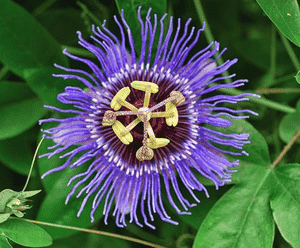
The most favorable period for relocating maypop is from late spring through mid-summer, when consistent warmth facilitates root development. Select a location that receives abundant sunlight and possesses good drainage, ensuring regular hydration after the move to promote successful adaptation.
Essential Preparations Before Relocating Maypop
Optimal Timing for Maypop Relocation?
The best period for moving maypop is from late spring to early summer. The mild weather and pliable soil conditions facilitate root establishment. Transplanting maypop during this time capitalizes on its growth surge, aligning with natural cycles for prime development. A helpful hint: this is when maypop flourishes most, building strength before intense heat. Ensuring steps like proper soil preparation and adequate hydration during this window sets the stage for maypop to thrive.
Required Spacing Between Maypop Plants?
Determine the necessary spacing for maypop in your garden. Ideally, each plant should have approximately 10-20 feet (3-6 meters) of room. This guarantees ample space for growth without resource competition. Envision them spread out across your garden!
Best Soil Mixture for Maypop Transplanting?
Before transplanting, prepare the soil. Maypop prefers well-drained soil with a neutral pH. Incorporate some organic fertilizer as a base. Remember, providing the correct soil type gives your maypop an excellent start.
Where to Replant Your Maypop?
Select a site with full sun or partial shade for maypop. These plants adore sunlight! Around 6 hours of daily sun exposure would be perfect. So, locate a spot where the sun shines generously.
Equipment Needed Before Maypop Transplantation
Gardening Gloves
Protect your hands and offer a firm grip when handling the plant and working with soil.
Hand trowel
Useful for digging holes and extracting small maypop plants from their original locations.
Shovel or Garden Fork
Can be utilized for digging, especially when dealing with larger plants or compacted soil.
Watering Can or Hose
Perfect for hydrating the maypop before and after its relocation.
Wheelbarrow or Plant Trolley
For transporting larger plants without causing damage.
Mulch
Helps maintain soil moisture after the transplant.
Compost
Enriches the soil with additional nutrients.
How to Extract Maypop from its Current Location?
How to Extract Maypop from its Current Location?
From Ground: Begin by watering the maypop to make the surrounding soil easier to manage. Next, use your shovel to dig a wide trench around the plant, being careful not to cut into the root system. Once the soil is loosened, gently lift the plant from the ground. From Pot: Water the plant to facilitate its removal. Afterward, carefully invert the pot and tap it to release the maypop. Avoid pulling too forcefully on the stems to prevent damage. From Seedling Tray: Water the seedlings first to help them slide out more easily. Using your fingers, gently squeeze the bottom of the seedling cell to push out the plant. Ensure you're holding it by the leaves, not the stems or roots.
Step-by-Step Guide for Relocating Maypop
Preparation
First, dig a hole that is twice the width and the same depth as the maypop's root ball. Fill this hole with some compost to give the roots a strong start.
Placement
Position the maypop in the center of the hole, ensuring it's not planted too deeply to prevent waterlogging.
Backfilling
Add soil back into the hole, around the roots, and gently compact it to eliminate any air pockets.
Watering
Once transplanted, thoroughly water the maypop until water drains from the bottom.
Mulching
Spread a layer of mulch around the base of your maypop to help retain soil moisture and deter weed growth.
Post-Transplant Care for Maypop
Watering
The maypop prefers moist soil. However, be careful not to overwater the plant. Moderate watering that keeps the soil slightly damp is ideal.
Pruning
Prune the maypop in early spring to encourage vigorous growth and blooming. Remove dead, damaged, or overly dense branches for improved light penetration.
Gradual Sun Exposure
Be cautious about immediately placing your newly transplanted plant in bright sunlight. Gradual introduction to sunlight will help prevent stress and damage.
Fertilizing
Once the maypop has established itself, consider a slow-release, balanced fertilizer to promote stronger roots and foliage growth.
Regular Checks
Periodically inspect your plant for signs of pests and diseases, ensuring prompt treatment if necessary.
Addressing Common Issues with Maypop Transplantation.
When is the best time to transplant maypop?
The optimal time for transplanting maypop is during late summer to early autumn (S3-S5). This offers ideal growth conditions.
What distance should be maintained between maypop during transplantation?
Ensure a distance of approximately 10-20 feet (3-6 meters) between each maypop. This allows for growth and air circulation.
What type of soil does maypop prefer during transplantation?
Maypop thrives in well-drained, fertile soil. A pH of around 6-7.5 is optimal for maypop's healthy development.
Should I water maypop immediately after transplanting?
Yes, thoroughly watering maypop after transplanting is essential. It helps the roots settle and mitigates potential transplant shock.
How deep should I plant maypop when transplanting?
When transplanting, ensure the rootball of maypop is level with the ground's surface. Neither too deep nor too shallow.
How should I handle maypop's roots during transplanting?
Handle maypop's roots with care! It's best not to excessively disturb them. Root damage can impede growth and recovery.
How much sunlight does maypop need after transplanting?
After transplanting, ensure maypop receives full to partial sunlight. Insufficient sunlight can slow its growth. More sunlight promotes healthier development.
How to care for maypop after transplanting in summer?
During dry periods, ensure maypop receives adequate water. Remember, sufficient hydration helps the plant adapt better and prevents wilting.
How much should I water maypop after transplanting?
While maypop enjoys moist soil, avoid waterlogging. Overwatering can lead to root rot. Watering frequency depends on weather and soil type.
Why are the leaves of transplanted maypop turning yellow?
Yellowing leaves on maypop could indicate overwatering, insufficient sunlight, nutrient deficiency, transplant shock, or disease. Review your care practices.



