How to Transplant Blue passionflower?
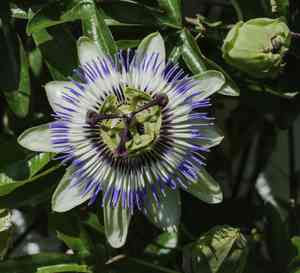
The most suitable period for relocating blue passionflower is from early to late spring, or from mid-autumn to early winter, since these times provide ideal circumstances for root development. Choose a spot featuring soil that drains effectively and receives partial to full sun exposure. Ensure consistent watering after transplantation to foster robust development!
What Preparations are Needed Before Transplanting Blue Passionflower?
What is the Ideal Time for Transplanting Blue Passionflower?
The optimal period for relocating blue passionflower is from early to late spring, or from mid-autumn to early winter. This timing avoids the intense heat of summer and the freezing conditions of winter, providing blue passionflower with the best start. Transplanting during these windows allows blue passionflower ample opportunity to establish its root system before extreme weather sets in. A helpful tip for gardeners: Your blue passionflower will greatly benefit from being moved during times that suit its specific requirements.
How Much Space Should You Leave Between Blue Passionflower Plants?
When transplanting blue passionflower, maintain a distance of approximately 5 ft (1.5 m) between each specimen. This spacing promotes healthy development, allowing each plant sufficient room to flourish and expand.
What is the Best Soil Mix for Blue Passionflower Transplanting?
Prepare the soil by combining equal parts of well-draining loamy soil, peat moss, and perlite. Consider incorporating a foundational fertilizer, such as a slow-release 10-10-10 granular blend, to encourage robust root growth and abundant foliage in blue passionflower.
Where Should You Relocate Your Blue Passionflower?
Select a sunny location that receives about 6-8 hours of direct sunlight daily for transplanting blue passionflower. If feasible, choose a spot with some afternoon shade to shield the plant from intense heat.
What Equipments Should You Prepare Before Transplantation Blue Passionflower?
Gardening Gloves
To safeguard your hands while digging and handling soil and the plant, which could cause skin irritation.
Spade or Small Shovel
Necessary for excavating around the plant in its current spot and preparing the new hole for transplantation.
Pruning Shears
Tool for trimming roots and branches of the plant if needed, reducing stress during the relocation process.
Wheel barrow or Garden Cart
Essential for safely transporting soil, compost, and the plant from one area to another.
Garden Hose or Watering Can
To moisten the soil and facilitate plant extraction, and to hydrate the plant after it's been moved.
Trowel
To assist in carefully removing smaller plants or seedlings from their original location with minimal damage.
How Do You Remove Blue Passionflower from the Soil?
How Do You Remove Blue Passionflower from the Soil?
From Pot: Water blue passionflower thoroughly to moisten the soil within the pot. Then, gently invert the pot while supporting the plant's base, easing the root ball away from the pot's edges. Once the plant is out, gently loosen the root ball if it's densely matted.From Ground: Hydrate the blue passionflower plant to dampen the soil. Next, using a spade or shovel, dig a sufficiently wide trench around the plant to ensure the root ball remains intact. Carefully work the spade beneath the root ball to lift the plant without severing too many roots.From Seedling Tray: Lightly water the tray before moving the seedling. Loosen the soil with a trowel, and gently lift the seedling, being careful not to harm its delicate root system. Handle the seedling by its leaves, never by its stem.
Step-by-Step Guide for Transplanting Blue Passionflower
Hole Preparation
Excavate a hole in your chosen spot that is twice as wide and deep as the root ball of your blue passionflower.
Plant Removal
Following the removal instructions above based on your initial situation, carefully extract the blue passionflower from its original position.
Plant Installation
Position the blue passionflower in the center of the pre-dug hole and backfill it with a mixture of garden soil and the excavated earth, ensuring the plant sits at the same level as it did previously.
Initial Watering
Thoroughly water the plant, the surrounding ground, and the added soil. This action will help eliminate any air pockets around the roots.
Adjustment
If necessary, adjust the plant to ensure it is upright and stable in the ground; add more soil if required.
How Do You Care For Blue Passionflower After Transplanting?
Watering
Following the transplant of blue passionflower, it requires a consistent watering schedule, especially during the initial 2-3 weeks as the plant adapts to its new environment.
Monitoring
Continuous observation is also necessary to ensure the plant exhibits no signs of transplant shock. Symptoms may include wilting, leaf drop, or discoloration. If such signs appear, confirm the plant is adequately watered and not exposed to extreme conditions.
Pruning
Trim blue passionflower in spring to maintain its shape and promote its health.
Fertilizing
Should only be considered after several weeks, and if recommended for your blue passionflower.
Troubleshooting Common Issues with Blue Passionflower Transplantation.
When's the ideal time to transplant blue passionflower?
Relocate blue passionflower either during early to late spring, or from mid-fall to early winter. The moderate temperatures during these periods are optimal for recovery and growth.
What's the right spacing for blue passionflower when transplanting?
Maintain adequate space, approximately 5 ft (1.5m), when transplanting blue passionflower to allow sufficient sun exposure and airflow, fostering healthy growth.
Do I need to water blue passionflower immediately after transplantation?
Absolutely! Provide blue passionflower with a thorough watering right after transplantation. This aids in its establishment in the new location and encourages root regeneration.
How much sunlight does transplanted blue passionflower require?
Blue passionflower thrives in sunlight! Ideally, ensure it receives at least six hours of full sun exposure daily. However, it can also tolerate partial shade.
Should I use compost while transplanting blue passionflower?
Yes, incorporating compost with your regular soil will provide a nutritional boost for blue passionflower. It facilitates its growth and strengthens it post-transplant.
What's the advisable depth for planting blue passionflower?
Ensure the planting hole is deep enough to fully cover the root ball. It typically won't exceed 10 inches (25 cm), depending on the plant's size.
What if my transplanted blue passionflower appears stressed?
If blue passionflower seems stressed after transplant, it might be due to insufficient watering, sunlight, or incorrect planting depth. Correct these factors and allow it some time to adjust.
Can transplanting blue passionflower be done directly into the garden?
Yes, blue passionflower can be moved directly into the garden. Remember to prepare your planting hole thoroughly and maintain the correct depth and spacing.
What kind of soil does blue passionflower prefer during transplantation?
Blue passionflower flourishes in well-drained, loamy or sandy soil. However, it is quite adaptable and can perform well in various soil types.
My transplanted blue passionflower isn't blooming, what could be wrong?
Ensure blue passionflower receives enough sun exposure and is adequately watered. If these conditions are met, consider enriching the soil with a phosphorus-rich fertilizer to stimulate blooming.



