How to Transplant Bracted passionflower?
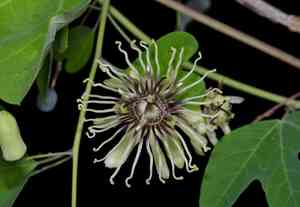
The ideal window for relocating bracted passionflower extends from the beginning of early spring through the core of late spring, since this timeframe guarantees reduced stress and peak development. Select a bright, adequately draining spot to provide bracted passionflower with the finest opportunity to flourish.
What Preparations are Needed Before Transplanting Bracted Passionflower?
What is the Ideal Time for Transplanting Bracted Passionflower?
The best time to move bracted passionflower is from the beginning to the end of spring. During this interval, the ground is warm and damp, which encourages robust root development. Furthermore, the mild temperatures and increased daylight help minimize transplant shock, ensuring the perennial flourishes in its new spot.
How Much Space Should You Leave Between Bracted Passionflower Plants?
When relocating bracted passionflower, position each plant 3-6 feet (0.9-1.8 meters) apart. This will provide ample room for growth while preventing congestion, promoting healthy development.
What is the Best Soil Mix for Bracted Passionflower Transplanting?
For bracted passionflower, select soil that drains well and has a good amount of organic material. Improve the soil with compost or aged manure to enrich it. Adding a balanced foundational fertilizer, such as a 10-10-10 (N-P-K) blend, can also supply vital nutrients.
Where Should You Relocate Your Bracted Passionflower?
Bracted passionflower thrives in full sun. Choose a spot that gets at least 6-8 hours of direct sunlight daily. Ensuring sufficient sunlight will help your plants grow strong and produce beautiful blooms.
What Equipments Should You Prepare Before Transplantation Bracted Passionflower?
Gardening Gloves
To safeguard your hands while handling soil and plants.
Trowel
For effective digging and soil manipulation.
Shovel or Spade
To excavate larger holes and trenches.
Watering Can or Hose
To hydrate the plant before and after relocation.
Pruning Shears
To trim any damaged or excess roots or leaves during the transplanting process.
Wheelbarrow or Bucket
To move the plant to its new location.
Stakes and Ties
To provide support for the plant if needed after transplanting.
How Do You Remove Bracted Passionflower from the Soil?
How Do You Remove Bracted Passionflower from the Soil?
From Ground: Hydrate the bracted passionflower to moisten the earth. Dig a wide trench around the plant using a shovel or spade, making sure to keep the root ball intact. Carefully work the spade beneath the root ball and gently lift the plant from the ground.From Pot: Water the bracted passionflower thoroughly. Incline the pot on its side and carefully slide the plant out, supporting the root ball with your hand. If the plant is stuck, gently tap the pot's sides or loosen the soil around the edges.From Seedling Tray: Water the bracted passionflower beforehand. Use a pencil or a small tool to push up from the bottom of the tray to loosen the plant. Gently hold the plant by its leaves (not the stem) and lift it out with the root mass intact.
Step-by-Step Guide for Transplanting Bracted Passionflower
Prepare the Site
Select the correct location for your bracted passionflower with suitable conditions. Dig a hole that is twice the width and the same depth as the root ball.
Soil Preparation
Ensure the soil is well-drained and rich. Add compost or organic matter if necessary to enhance soil quality.
Root Pruning (if necessary)
If the bracted passionflower root ball is pot-bound, gently separate the roots or trim them with pruning shears to encourage new growth.
Planting
Position the bracted passionflower in the center of the hole, making sure it is at the same depth as it was previously growing. Fill in the hole gently with soil and firm it down to remove air pockets.
Watering
Water the plant thoroughly to help settle the soil around the root ball and to provide moisture for root establishment.
Mulching
Apply a layer of mulch around the base of the bracted passionflower, keeping it away from the stem to retain moisture and regulate soil temperature.
Staking (if necessary)
If the bracted passionflower is tall or susceptible to wind damage, install stakes and ties to support the plant until its roots are well established.
How Do You Care For Bracted Passionflower After Transplanting?
Watering
Keep the soil around the bracted passionflower consistently moist, but not waterlogged, for the initial weeks after transplanting to aid in strong root development.
Monitoring
Regularly inspect the bracted passionflower for indications of stress such as wilting or yellowing leaves, and adjust care practices as needed.
Pruning
Trim any damaged or dead foliage to help the bracted passionflower direct its energy towards establishing its roots.
Pest Control
Watch for pests and treat with appropriate organic methods if necessary, to ensure the bracted passionflower grows healthy and strong.
Troubleshooting Common Issues with Bracted Passionflower Transplantation.
When is the best time to transplant bracted passionflower?
Early to late spring is the ideal period for transplanting.
How far apart should I space bracted passionflower plants?
Space them 3-6 feet (0.9-1.8 meters) apart for optimal growth.
How should the soil be prepared for transplanting bracted passionflower?
Ensure the soil is well-drained and enriched with organic matter.
What is the best depth for transplanting bracted passionflower?
Plant bracted passionflower at the same depth it was previously growing.
How can I avoid transplant shock for bracted passionflower?
Water the plant thoroughly before and after transplanting to mitigate shock.
What should I do if bracted passionflower wilts after transplanting?
Provide extra water and shade temporarily until it recovers.
How often should I water bracted passionflower after transplanting?
Water regularly, keeping the soil consistently moist but not waterlogged.
What type of fertilizer should I use for bracted passionflower after transplanting?
Use a balanced, slow-release fertilizer to support root development.
Can I transplant bracted passionflower in the summer?
It's better to transplant in early to late spring to ensure better adaptation.
How can I ensure bracted passionflower establishes well after transplanting?
Mulch around the plant to retain moisture and regulate temperature while roots establish.



