How to Transplant Dallis grass?
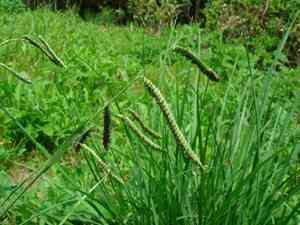
The most favorable period for relocating dallis grass is in early to mid-spring, when its growth is revitalized, promoting robust development. Choose a location that receives ample sunlight and has soil that drains effectively. To achieve optimal outcomes, meticulously preserve the root system's structure during the transfer process.
What Preparations are Needed Before Transplanting Dallis Grass?
What is the Ideal Time for Transplanting Dallis Grass?
Select the revitalizing period of early to mid-spring for relocating dallis grass. This season provides a balance of mild temperatures and increasing daylight, which promotes root establishment and development. Transplanting dallis grass during this timeframe maximizes the plantâs capacity to adapt to its new spot while benefiting from spring's gentle conditions. This timing also allows the plants to become well-rooted before the strain of summer heat. Additionally, spring rains contribute to the necessary hydration for dallis grass's roots, thereby lessening the need for extra watering. Embracing this recommended phase for transplanting not only aligns with dallis grass's natural growth cycle but also sets the stage for robust growth throughout the season.
How Much Space Should You Leave Between Dallis Grass Plants?
To provide dallis grass ample room to grow, position them approximately 1-2 feet (30-60 cm) apart. This spacing will allow the roots to spread without becoming overcrowded, fostering healthier development.
What is the Best Soil Mix for Dallis Grass Transplanting?
Opt for well-draining soil for dallis grass. A blend of sand and clay is optimal. Before transplanting, till the soil and incorporate some aged compost. This acts as a foundational fertilizer, providing dallis grass with a nutrient-rich beginning.
Where Should You Relocate Your Dallis Grass?
Dallis grass thrives in sunlight, so choose a garden spot that receives abundant sun exposure throughout the day. A location with 6-8 hours of daily sunlight would be perfect for its growth.
What Equipments Should You Prepare Before Transplantation Dallis Grass?
Gardening Gloves
These will protect your hands from rough soil and any potentially sharp plant debris.
Shovel or Garden Spade
Useful for excavating the plant from its original spot, and then digging the new planting hole.
Rake
To smooth the base and sides of the hole, facilitating easier root growth and spread for dallis grass.
Garden Pruners
To trim any damaged roots or plant tops prior to transplantation.
Garden Hose or Watering Can
For thoroughly watering the plant after transplantation.
Organic Compost
It can be mixed with garden soil to supply essential nutrients that will support the plantâs growth and vitality.
Mulch
To help maintain soil moisture and inhibit weed growth after transplantation.
How Do You Remove Dallis Grass from the Soil?
How Do You Remove Dallis Grass from the Soil?
From Ground: Start by generously watering the dallis grass plant to moisten the soil. Dig a trench around the plant using your shovel, being careful not to harm the root ball. The trench should be wide enough to avoid most of the root system. Once the trench is dug, gently work your spade beneath the root ball, then lift the plant out of the ground.From Pot: For potted plants, water dallis grass thoroughly well before transplanting. Turn the pot on its side, hold the plant gently by its stems, and remove the container. If the plant is stuck, tap the bottom of the pot to loosen it.From Seedling Tray: Use a spoon or small tool to lift the dallis grass seedlings without damaging their delicate roots. Hold them by their leaves to prevent harm to the stem and root system.
Step-by-Step Guide for Transplanting Dallis Grass
Clearing the Site
Prepare the new planting area by removing any debris or weeds that might be present.
Digging the Hole
Create a hole twice the width of dallis grass's root ball and as deep as the root's current depth. Use your rake to slightly roughen the hole's walls; this helps roots penetrate the surrounding soil.
Plant Preparation
Trim any broken or dead roots with garden pruners before planting dallis grass. Shake off some of the old soil to minimize transplant shock.
Planting
Position dallis grass in the hole, ensuring the top of the root soil is at, or slightly above, the level of the garden soil. Backfill the hole with a mixture of original garden soil and organic compost.
Watering
Once planted, thoroughly water dallis grass using your garden hose or watering can.
Mulching
Spread mulch around dallis grass to regulate soil temperature, retain moisture, and deter weeds.
How Do You Care For Dallis Grass After Transplanting?
Monitoring
Regularly inspect the dallis grass for any indications of transplant shock, such as yellowing or drooping leaves. If these symptoms persist, lightly prune the foliage to reduce the plantâs demand on its root system.
Proper Irrigation
Ensure that dallis grass receives ample water during the initial weeks post-transplant, without becoming waterlogged. This is crucial for strengthening the plantâs new roots.
Pruning
To encourage growth after transplant, consider lightly pruning dallis grass once it has established itself in its new location.
Pest and Diseases Prevention
Monitor dallis grass for signs of pests or disease. In the early days after transplant, the plant may be more susceptible. Act promptly if you notice anything unusual.
Fertilization
Wait for at least two weeks after transplanting before considering adding any additional nutrients to the soil. Applying it too soon can result in nutrient burn.
Troubleshooting Common Issues with Dallis Grass Transplantation.
What is the optimal time of year to transplant dallis grass?
The ideal period to transplant dallis grass is from early spring to late summer, encompassing seasons 1 through 2.
What should I consider about the planting spot for dallis grass transplantation?
Select a location with full sun or partial shade. The soil should be well-draining and rich in organic material for optimal results.
Can you provide guidance on the proper space between dallis grass plants when transplanting?
Maintain a distance of approximately 1-2 feet or 30-60 centimeters between each dallis grass plant. This allows for growth and air circulation.
What should I do if my transplanted dallis grass shows signs of withering?
Wilting may indicate transplant shock. Reduce stress by keeping the soil moderately moist and shielding the plant from extreme weather conditions.
What steps can I take if my dallis grass transplant isn't growing as expected?
Ensure your dallis grass receives sufficient sunlight and water. If the problem continues, test the soil pH. Dallis grass prefers a pH of 5.5 to 7.0.
What is the ideal soil condition for transplanting dallis grass?
Dallis grass thrives in well-drained soil rich in organic matter. To improve soil structure, incorporate compost or well-rotted manure before transplanting.
How deep should I dig the hole for dallis grass transplanting?
Dig a hole about 6 inches (15 cm) deep, or twice the size of the root ball. This helps the roots establish quickly in the ground.
Do I need to prune dallis grass before transplanting it?
While not essential, pruning can help the plant focus its energy on root establishment. Trim back about one-third of the plant before moving it.
How frequently should I water dallis grass after transplanting it?
Initially, water dallis grass daily for the first week, then gradually reduce frequency. Ensure the soil remains slightly moist but not waterlogged.
What can I do if my dallis grass transplant shows yellowing leaves?
Yellow leaves can signal over-watering or a nutrient deficiency. Adjust your watering schedule or consider a balanced slow-release fertilizer.



